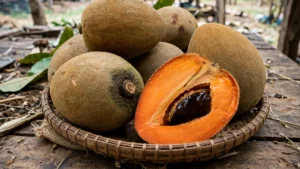
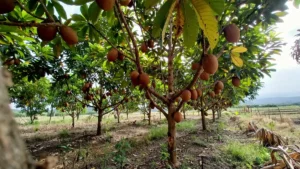
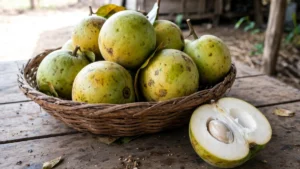
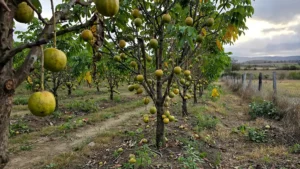
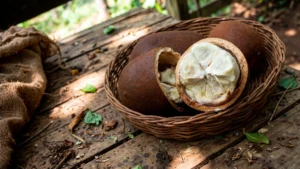
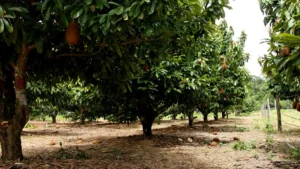
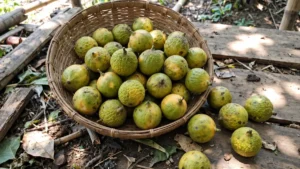
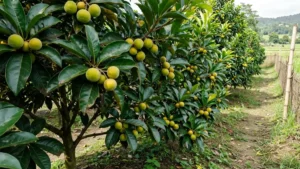
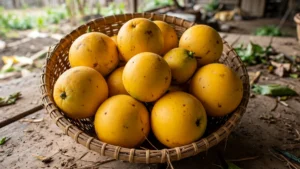
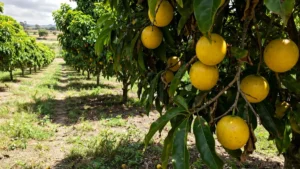
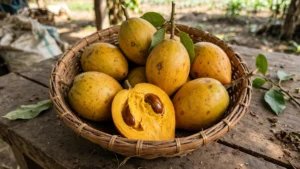
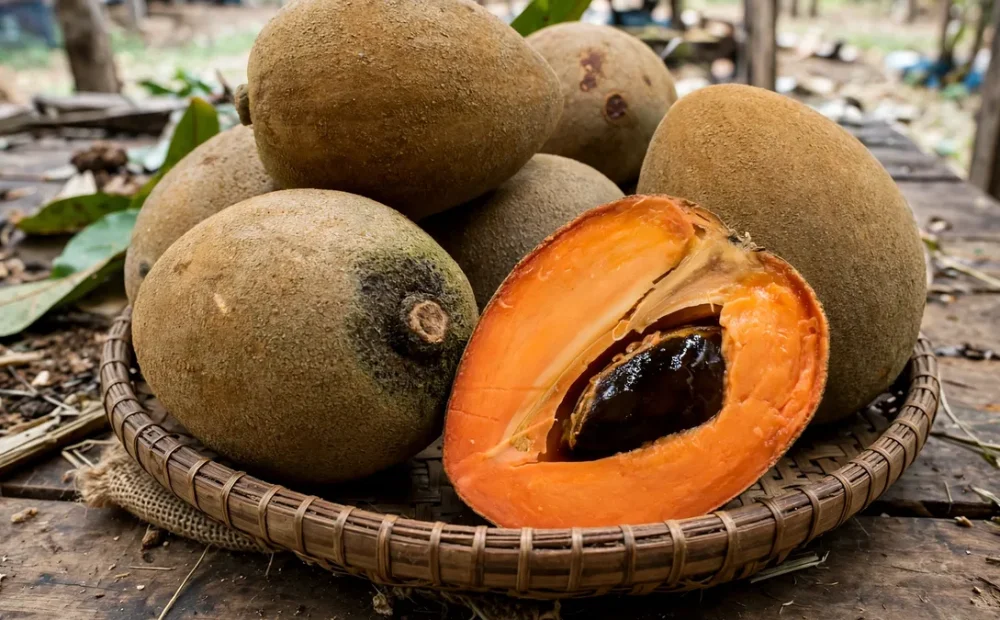
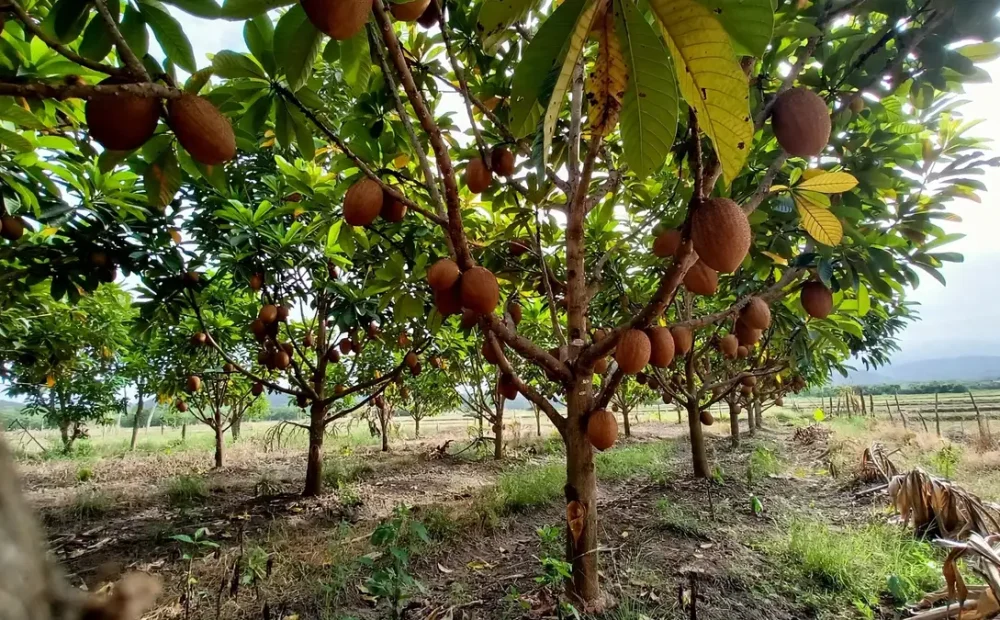
There is a fruit in the Mexican highlands that most travellers have never tasted. White sapote grows round and green-yellow on broad trees, and a ripe one opens to flesh the colour of fresh cream, soft as custard, tasting of pear, banana and vanilla. A farm escape built around it is a slow holiday of early walks, long breakfasts, and evenings shaped by what the orchard gave that day.
Planning one well comes down to timing. The trees fruit a little at a time through the warm months, the farms sit an hour or more from the nearest airport, and the loveliest stays have only a few rooms. Hold the farm first, and let the rest of the trip arrange itself around the ripening weeks.
The nine moves below run in the order you will need them, from the first message to the farm to the last morning at the farm shop. Each explains what to do, what to steer clear of, and the small detail that makes the difference.
Key takeaways
- Ask for the ripening weeks first: the warm months across Mexico and the southern United States, with the exact dates moving by region.
- A ripe fruit is pale gold, soft to a gentle press, and sweet-smelling at the stem; a hard fruit needs more days on the branch.
- Hold the room before the flights, and ask the farm about a lift, because most orchards sit well away from airports.
- Eat the fruit fresh on the farm and carry jam or dried slices home, because ripe white sapote does not travel well.
- The fruit contains no gluten, but farm kitchens bake and fry in shared spaces, so ask how food is prepared before you arrive.
What a white sapote farm escape actually is
A white sapote farm escape is a slow holiday built on one fruit. The orchard sets the timetable: an early walk, a long breakfast, a quiet afternoon, and an evening meal cooked from what the farm grew. The farms here have only a handful of rooms, and the host is usually the person who planted the trees.
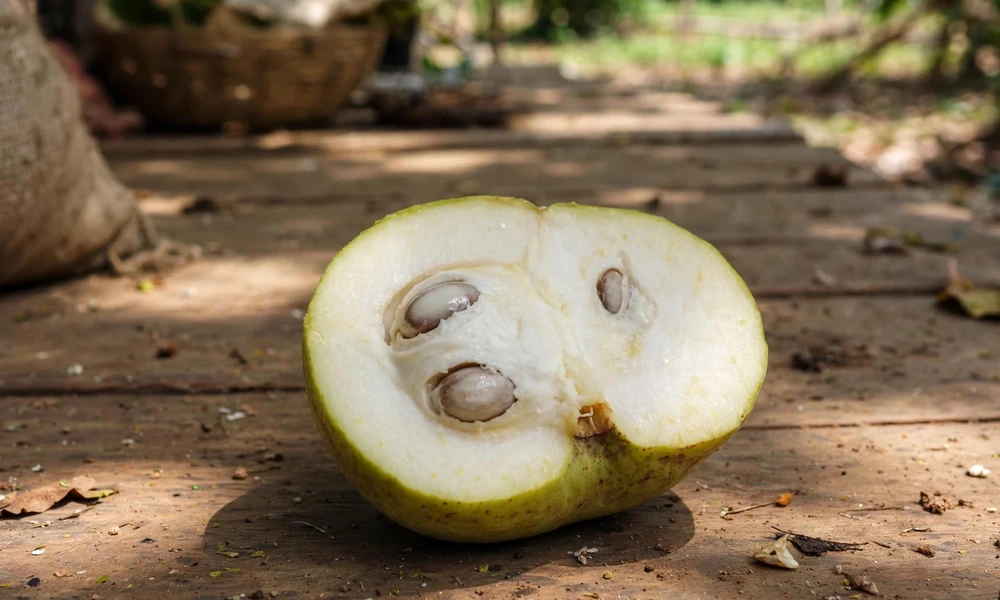
The fruit is the reason the trip works. White sapote is Casimiroa edulis, a round green-yellow fruit from Mexico with creamy white flesh that tastes of pear, banana and vanilla. It is a different species from black sapote, which opens to dark chocolate-coloured flesh, and the two should never be confused. Our guide to planning a black sapote farm escape shows how the darker fruit shapes a different kind of trip, with different regions and a different season.
What you are really booking is the host. A good host knows which tree is ripening and which fruit is ready today. They will walk you to the right tree, show you the soft-press test, and open the first fruit of the day under its branches.
How to plan the trip, and what to ask first
Start with the ripening weeks, not with flights or hotels. Write to two or three farms and ask which weeks the fruit will be ripe on your dates. A farm that answers with dates knows its trees; a vague answer is a warning, so press again, plainly, for the harvest dates.
Then ask about the stay itself. How many rooms does the farm have, and does the host eat with guests? How far is it from the nearest airport, and can the host arrange a lift? What does the kitchen serve, and can it cook gluten-free if you need it? These questions take one afternoon of messages, and they save a holiday. Ask them early, while the farm still has rooms to offer. A persimmon farm escape follows the same planning logic, and our guide to planning a persimmon farm escape shows how the same questions work for a different fruit.
Finally, pack for the orchard, not for the resort: cool mornings, strong sun, soft ground after rain, and a kitchen that cooks what it grows. The nine moves below take you from the first message to the last morning, in order.
The 9 steps of a white sapote farm escape
Find out the farm’s ripening weeks before anything else
What to do: Send a short message to the farm asking for the ripening dates on your travel dates, and wait for a reply with actual weeks in it. A farm that knows its trees will name the weeks; a farm that cannot is guessing. Book inside the weeks the farm names, and keep the message thread, so you can check the dates again the week before you travel. What to avoid: Buying flights before the farm has confirmed its dates. Best for: Anyone who wants the fruit on the table each morning of the stay. Time needed: One afternoon of messages before you book anything. Standout tip: Let the ripening weeks choose your dates, not the other way round.
Sleep beside the orchard, not in the nearest town
What to do: Pick a farm where the rooms sit beside the orchard, not a hotel in the nearest town with a day trip to the trees. The morning walk is the heart of the escape, and it only works when the rows are outside your door. What to avoid: A stay that needs a car to reach the orchard. Best for: Travellers who want the orchard to be the first thing they see each morning. Time needed: One evening of comparing farms before you book. Standout tip: If the trees are not outside your door, you are staying at a hotel, not a farm.
Hold the farm room first, then look at flights
What to do: Secure the farm room first, then look at flights. The best farms have only a few rooms and fill early in the ripening weeks, while flights can usually be found later. Once the room is held, ask the host about the nearest airport and a lift, and book the flight that fits the farm. What to avoid: Buying a cheap flight and then finding the farm is full. Best for: Travellers who want the best room in the ripening weeks. Time needed: A morning of booking once the farm confirms. Standout tip: The farm is the scarce part of the trip, so hold it first.
Pack for warm days and cool orchard mornings
What to do: Pack a light layer for the dawn walk, a hat for the strong midday sun, and shoes that can handle soft orchard ground after rain. Bring a small bag for fruit, a water bottle, and insect repellent for the evenings. Keep the luggage light, because farm rooms have little storage. What to avoid: Packing only resort clothes and town shoes. Best for: Travellers who want to be comfortable from dawn to dusk. Time needed: An evening of packing the night before. Standout tip: Dress for the orchard at dawn and the sun at noon, not for one or the other.
Learn the soft-press test before you pick
What to do: Ask the host to show you the soft-press test on your first morning: pale gold all over, yielding gently, sweet at the stem, with no hard patches. Practise on fruit the host hands you, and cut from the branch with the host’s knife rather than pulling, because the fruit bruises easily. What to avoid: Picking fruit that looks ready from the ground without testing it. Best for: Travellers who want to pick their own fruit without spoiling it. Time needed: Ten minutes with the host on the first morning. Standout tip: The press, not the colour alone, tells you the fruit is ready.
Taste the fruit three ways on the first day
What to do: On your first day, taste white sapote fresh from the skin, then as a chilled cream, then as jam on warm bread. The fresh fruit shows the flavour at its simplest, the cream shows how the kitchen uses it, and the jam shows how the farm keeps it. What to avoid: Eating only one preparation and deciding the fruit is plain. Best for: Travellers who want to understand a fruit, not just taste it once. Time needed: A day of meals, from breakfast to supper. Standout tip: Three preparations in one day teach you more than three days of one preparation.
Go to market with the cook one morning
What to do: Ask the cook if you can join a morning at the nearest market. Watch what they buy, ask why they choose one stall over another, and carry a bag for them. The market shows you what the region eats beside white sapote: the chillies, the bread, the cheese, and the fruit that sits next to sapote on the stall. What to avoid: Treating the market as a photo stop rather than a lesson. Best for: Travellers who like food and want to see a region through its market. Time needed: One morning, leaving before the heat. Standout tip: The market teaches you the region; the orchard teaches you the fruit.
Find out what happens to fruit that falls
What to do: Ask the host what happens to fruit that falls before it is picked. Most farms dry it, jam it, or fold it into ice cream, and the answer tells you how much the farm values what it grows. If the kitchen has a drying shed or a jam pot on the go, ask to see it. What to avoid: Assuming fallen fruit is wasted fruit. Best for: Travellers who care about how a farm uses what it grows. Time needed: A conversation over breakfast. Standout tip: The jam pot and the drying shed tell you more about a farm than its brochure does.
Take jam home; leave fresh fruit on the farm
What to do: On your last morning, buy jam and dried slices from the farm shop and carry those home, not fresh fruit. Ripe white sapote bruises in a bag and passes its best in a day, while jam and dried slices travel well and keep the flavour for weeks. What to avoid: Packing ripe fruit in your luggage and finding it crushed at the airport. Best for: Travellers who want a taste of the trip that survives the journey home. Time needed: Half an hour at the farm shop on the last morning. Standout tip: Jam travels; ripe fruit does not.
Which white sapote region fits your trip
Let your dates choose the region. If you travel in the early warm months, the lowland farms of Morelos and Colima will already be in fruit while the highlands are still waiting. If your dates fall later, the highland farms of Michoacán and Jalisco will be at their best.
If your dates are fixed to the autumn, look north instead. The groves around San Diego and Santa Barbara fruit late in the year, and Maui’s upcountry orchards offer a quiet, high-altitude alternative with a sea view. A sapodilla farm escape follows a similar pattern of small farms and long seasons, and our guide to planning a sapodilla farm escape is a useful comparison if you are choosing between the two fruits.
Wherever you go, stay in one place for three nights rather than moving every day. The fruit changes from morning to morning, and a host who sees you three days running shows you trees and tastings a one-night guest never hears about.
The caveats that matter
White sapote is a gentle fruit, but a few honest warnings still apply. Never eat the large seeds, and never eat fruit that is still hard and green, because unripe flesh is astringent. Some guests feel sleepy after a generous serving, so try a small spoonful first. Anyone on regular medicine should check with their clinician before eating large amounts of a fruit they have never tried.
| Detail | What is known |
|---|---|
| Best time to travel | The warm months, when the trees are in fruit; the exact weeks move by region and altitude |
| The two main kinds | White sapote is Casimiroa edulis, a pale creamy fruit; black sapote is a different species with dark chocolate-coloured flesh |
| How ripe fruit looks | Pale gold all over, yielding to a soft press, and sweet-smelling at the stem, with no hard patches |
| What the flesh is like | Creamy white and custard-soft, with a mild flavour of pear, banana and vanilla |
| What not to eat | The large seeds inside the fruit are not for eating, and unripe fruit is astringent |
| Who should ask first | Anyone taking regular medicine, and anyone who has never eaten the fruit, should ask a clinician or the host first |
| Getting there | Most farms sit an hour or more from the nearest airport, so arrange a lift with the host |
| What it does not do | It does not keep well once ripe, so eat it on the farm and carry jam or dried slices home instead |
The fruit has no gluten in it, but the kitchen around it often does. Bread, cakes and fried dishes are commonly made in the same small space where the fruit is prepared. Raise it in your first message, ask about boards, knives and shared surfaces, and carry safe snacks for the journey.
Checklist: planning a white sapote farm escape honestly
Use these checks before you book, and again the week before you travel.
- Get the ripening dates in writing from the farm, and book inside them.
- Hold the room before the flights, and ask the host about a lift from the airport.
- Choose a stay where the rooms sit beside the orchard, not a hotel in the nearest town.
- Practise the soft-press test with the host: pale gold, gently yielding, sweet at the stem.
- Raise any food needs, including gluten-free, in your first message to the farm.
- Pack a warm layer for dawn, a hat for midday sun, and shoes for soft orchard ground.
Frequently asked questions
How many days should a white sapote escape last?
Three nights is the sweet spot. One night is too short to learn the fruit, and the host shows a three-night guest far more. The fruit changes day by day, so a longer stay lets you taste it at different stages.
How do I tell a ripe white sapote from an unripe one?
Look for pale gold skin, press it gently to feel it yield, and smell the stem end for sweetness. A hard, green fruit is not ready. Ask the host to demonstrate on your first morning.
What should I pack for a white sapote farm?
A light layer for cool dawn walks, a hat for strong midday sun, shoes for soft ground after rain, a small bag for fruit, and insect repellent for the evenings.
Can children join a white sapote farm escape?
Usually yes, and children often enjoy the picking most of all. Ask whether the rows are safe for small feet and whether the kitchen can cook simply for a young guest. Bring a hat and water, and plan the walk for the cool morning.
What if the fruit is still unripe when I arrive?
Ask the farm before you book, and book only inside the ripening weeks it names. If your dates are fixed and the fruit will not be ready, the farm may suggest another week or a region where the season runs later.
How do I bring white sapote flavour home?
Buy jam and dried slices from the farm shop on your last morning. Ripe fruit bruises in a bag and passes its best within a day, while jam and dried slices travel well and keep the flavour for weeks.
The bottom line
A good white sapote farm escape is built the other way round from most holidays: the farm comes first, the flights second, and the fruit sets the dates. Choose a small stay, ask for the ripening weeks in writing, and give yourself three slow mornings under the trees.
Travel light, taste everything the kitchen offers, and carry jam home instead of fresh fruit. Done that way, it is a quiet trip that stays with you long after the last spoonful.