Cream blush is the makeup product that makes the biggest difference for the least effort. A good cream blush melts into the skin, looks like a flush rather than a stripe, and lasts through a long day without settling into pores or fading to nothing by lunch. The problem is not finding a cream blush. It is finding one in the right shade, with the right finish, that suits your skin type and does not go patchy over sunscreen or foundation.
That is why this guide is organised by skin type and finish, not just by popularity. A dewy liquid blush can be beautiful on dry skin and too shiny on oily skin. A matte cream can be perfect for a long day and too drying for mature skin. A sheer tint can be ideal for a beginner and too subtle for someone who wants real colour. Price is a poor guide on its own. Some of the best cream blushes are under twenty pounds, and some of the most expensive are the hardest to blend.
Below are nine cream blushes worth considering in 2027, from a classic liquid blush to a sheer skin tint and a multi-use stick. Each one is described by what it is good at, what to watch for, and who it suits best, so you can choose with your skin in mind, not just a bestseller list.
Key takeaways
- Cream blush looks most natural when it is blended on the apples of the cheeks and up toward the temples, in thin layers rather than one heavy swipe.
- Liquid and gel blushes suit dry and normal skin best, while cream sticks and matte creams tend to last longer on oily skin.
- Start with less than you think you need, because cream blush builds easily and is much harder to remove once it has set.
- Apply cream blush before powder, and set it lightly with a translucent powder only if you need extra staying power.
- No cream blush suits every skin type, and a shade that looks perfect in the pan can look very different on deeper or fairer skin, so check swatches on your own skin tone first.
What cream blush actually does for skin
Cream blush adds colour and life to the face in a way that powder blush rarely matches. Because it is a cream, it sits on the skin rather than on top of it, which is why it looks like a natural flush instead of a layer of colour. It also reflects light differently, giving a soft, healthy glow that suits most skin types, and it layers well over moisturiser, sunscreen and foundation without looking cakey.
What it does not do is last forever on its own. Cream blush fades faster than powder on oily skin, and it can move if you apply it over a very rich moisturiser or a slippery sunscreen. That does not mean it is a bad choice for oily skin, only that you should choose a matte cream or a long-wear liquid, apply it in thin layers, and set it lightly. A cream blush that is blended well and set lightly will outlast a powder blush that was never blended at all.
Finish matters as much as shade. A dewy finish looks fresh and youthful on dry and mature skin, but it can look shiny on oily skin by midday. A matte finish lasts longer and suits oily skin, but it can look flat on dry skin. A satin finish sits in the middle and suits most people, which is why so many of the best-selling cream blushes are satin rather than fully dewy or fully matte.
How we chose these blushes and what to look for
Look first at the finish and the formula. Liquid blushes are usually the most blendable and the most natural-looking, but they can be hard to control if you are new to cream products. Cream sticks are easier to apply directly, but they need blending with fingers or a brush. Pots and compacts sit in the middle, offering control and blendability in one product. If you are a beginner, a sheer liquid or a stick is the easiest place to start.
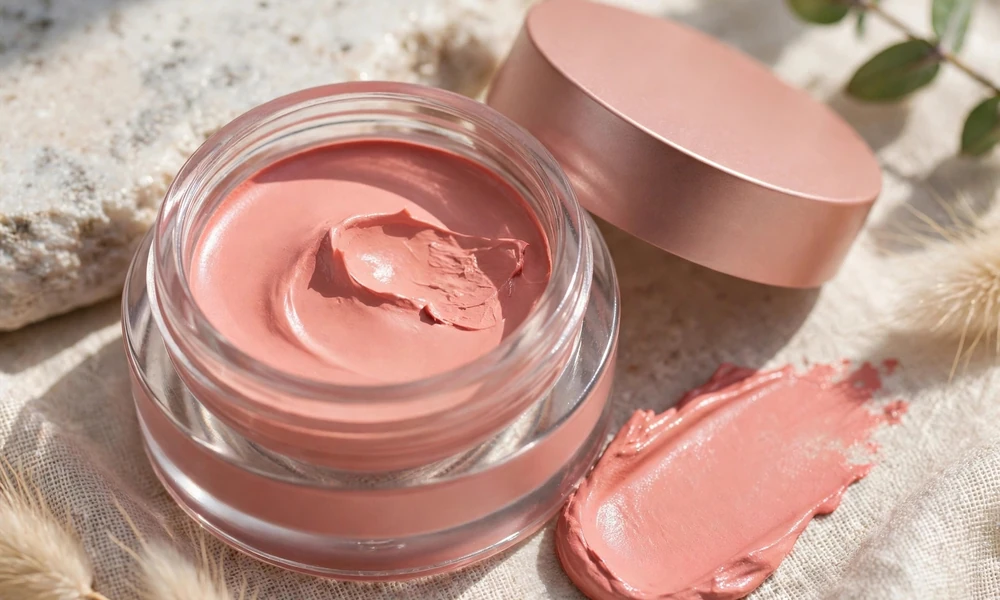
Look next at the shade. The right shade depends on your skin tone and on what you want the blush to do. Fair skin usually suits soft pink, peach and light rose. Medium skin suits warm rose, coral and terracotta. Deep skin suits berry, plum and rich coral, which show up clearly without looking ashy. A shade that looks bright in the pan often looks softer on the skin, so do not be afraid of a colour that looks strong at first glance. Our guide to how to apply cream blush explains the placement in more detail, because where you put the blush matters as much as which shade you choose.
Finally, look at the wear time and the packaging. A cream blush that lasts six hours without fading is worth more than one that looks perfect for an hour and disappears by lunch. A tube or a pump is more hygienic than a pot you dip your fingers into, and a stick is the easiest format to carry and reapply. If you travel often, a multi-use stick that works on lips and cheeks is a practical choice.
The 9 best cream blushes of 2027
Rare Beauty Soft Pinch Liquid Blush
What we like: A famously pigmented liquid blush that blends into a soft, natural flush, with a wide shade range and a dewy finish that looks fresh on most skin. What to consider: It is very pigmented, so one dot is enough, and it sets quickly, so blend fast. Best for: A natural, long-lasting flush on most skin types. Shade range: Over 15 shades, from soft pink to deep berry. Price range: £20 to £25. Standout feature: The blendability and the shade range.
NARS Afterglow Liquid Blush
What we like: A lightweight liquid blush with a soft, radiant finish, easy to blend with fingers or a brush, and comfortable enough to wear all day. What to consider: The finish is dewy, so oily skin may need a light powder on top, and the shade range is smaller than some rivals. Best for: A soft, glowing flush on normal and dry skin. Shade range: Around 8 shades, from peach to rose. Price range: £28 to £34. Standout feature: The lightweight, skin-like finish.
Charlotte Tilbury Matte Beauty Blush Wand
What we like: A matte cream blush in a cushion applicator, easy to dot on and blend, with a soft-focus finish that lasts well through the day. What to consider: The matte finish can look dry on very dry skin, and the applicator needs cleaning between uses. Best for: A long-wearing matte flush, especially on oily and combination skin. Shade range: Around 6 shades, from pink to berry. Price range: £30 to £35. Standout feature: The cushion applicator and the staying power.
Fenty Beauty Cheeks Out Freestyle Cream Blush
What we like: A sheer, buildable cream blush with a wide shade range that suits deep skin tones particularly well, in a light, comfortable formula. What to consider: It is sheerer than some rivals, so you may need two layers for a strong colour, and it fades faster on oily skin. Best for: A sheer, natural flush, especially on medium and deep skin. Shade range: Around 10 shades, from coral to plum. Price range: £20 to £25. Standout feature: The shade range for deeper skin tones.
Glossier Cloud Paint
What we like: A sheer, gel-cream blush that melts into the skin for a very natural flush, in a small tube that is easy to carry and control. What to consider: It is very sheer, so it suits a natural look rather than a bold one, and it needs reapplying on long days. Best for: A barely-there, natural flush on all skin types. Shade range: Around 8 shades, from peach to berry. Price range: £18 to £22. Standout feature: The sheer, skin-like finish.
Tower 28 BeachPlease Lip + Cheek Cream Blush
What we like: A multi-use cream blush that works on lips and cheeks, with a soft, dewy finish and a formula designed for sensitive skin. What to consider: The dewy finish fades faster than a matte cream, and the shade range is smaller than some rivals. Best for: Sensitive skin and a simple, multi-use routine. Shade range: Around 7 shades, from peach to rose. Price range: £18 to £22. Standout feature: The sensitive-skin-friendly formula.
Bobbi Brown Pot Rouge for Lips & Cheeks
What we like: A classic cream blush in a pot, with a rich, blendable texture and a long track record, that works on lips and cheeks alike. What to consider: The pot format means you use your fingers, so hygiene matters, and the finish is dewy rather than matte. Best for: A classic, versatile cream blush for lips and cheeks. Shade range: Around 10 shades, from pink to plum. Price range: £28 to £33. Standout feature: The versatility and the rich texture.
Milk Makeup Lip + Cheek
What we like: A cream stick that swipes on directly and blends fast, with a natural finish and a formula that works on lips, cheeks and even eyes. What to consider: The stick can feel a little dry on very dry skin, and the colour is sheerer than a liquid blush. Best for: A quick, on-the-go flush with a stick format. Shade range: Around 8 shades, from pink to berry. Price range: £20 to £25. Standout feature: The stick format and the speed of application.
Saie Dew Blush
What we like: A liquid blush with a dewy, lit-from-within finish, in a blendable formula that layers well over skincare and foundation. What to consider: The dewy finish is best on normal and dry skin, and it needs a light set on oily skin to last the day. Best for: A dewy, glowing flush on normal and dry skin. Shade range: Around 6 shades, from peach to berry. Price range: £22 to £26. Standout feature: The dewy, radiant finish.
Which cream blush is right for your skin type
Dry skin usually does best with a dewy liquid or a rich cream, which adds moisture as well as colour. The goal is a flush that looks hydrated, not a matte layer that sits on dry patches, so a liquid like the Saie Dew Blush or the NARS Afterglow is a good starting point. Oily and combination skin often prefer a matte cream or a long-wear liquid, applied in thin layers and set lightly with powder, so the colour stays put through the day.
Sensitive skin needs a simpler formula. Choose a blush with a short ingredient list, avoid heavy fragrance, and patch-test on your jawline before full-face use. The Tower 28 BeachPlease is designed for sensitive skin, but any blush can irritate if your skin is reactive, so introduce it slowly. Our guide to the best powder blushes is a useful alternative here, because a powder blush can be gentler for some sensitive skin types, and it layers well over a cream base if you want extra staying power.
Mature skin often benefits most from cream blush, because powder can settle into fine lines and look dry. A sheer, dewy cream adds colour and light without emphasising texture, and it blends more forgivingly than a powder. Apply it a little higher on the cheekbone than you think, blend upward, and avoid a heavy hand, because a soft flush lifts the face more than a strong stripe of colour.
The caveats that matter
Cream blush is forgiving, but it is not foolproof. The most common mistake is applying too much at once, especially with a pigmented liquid like Rare Beauty, where one dot is genuinely enough. Start small, blend, and add a second layer only if you need it. The second mistake is applying cream blush over powder, which makes it go patchy. Cream always goes before powder, and if you want to set it, use a light dusting of translucent powder, not a heavy layer.
| Detail | What is known |
|---|---|
| Best finish for dry skin | Dewy liquid or rich cream, which adds moisture as well as colour |
| Best finish for oily skin | Matte cream or long-wear liquid, set lightly with powder |
| Best finish for mature skin | Sheer, dewy cream, which does not settle into fine lines |
| When to apply it | After foundation and concealer, before any powder |
| How much to use | One dot or one swipe, blended, then a second layer only if needed |
| How to blend it | Clean fingertips, a damp sponge, or a dense brush, blending upward |
| Who should patch-test first | Sensitive or reactive skin, and anyone trying a new formula |
| What it does not do | It does not last as long as powder on very oily skin without setting |
If you wear sunscreen, apply your cream blush after the sunscreen has had a minute to settle, and use a light hand. A slippery sunscreen can make cream blush slide, so a matte or long-wear formula works better on sunscreen-heavy days than a very dewy one.
Checklist: choosing a cream blush honestly
Use these checks before you buy, and again after a week of use.
- Check the finish: dewy for dry skin, matte for oily skin, satin for most people.
- Check the shade on your own skin tone, not just in the pan or on a model with different colouring.
- Check the pigment: one dot should be enough for a sheer liquid, and a stick should build in layers.
- Patch-test first: apply to your jawline for two to three days before full-face use.
- Start small: one dot or one swipe, blend upward, and add a second layer only if you need it.
- Set it lightly if you need staying power: a dusting of translucent powder, not a heavy layer.
Frequently asked questions
Should I apply cream blush before or after powder?
Always before powder. Cream products go on before powder products, because powder over cream sets it, while cream over powder goes patchy. If you want extra staying power, set the cream blush with a light dusting of translucent powder.
Can I use cream blush on oily skin?
Yes, but choose a matte cream or a long-wear liquid, apply it in thin layers, and set it lightly with powder. A dewy liquid can look shiny on oily skin by midday, so a matte finish is usually the better choice.
Can I use cream blush on mature skin?
Often yes, and it is usually better than powder, which can settle into fine lines. Choose a sheer, dewy cream, apply it a little higher on the cheekbone, and blend upward for a lifted look.
How do I stop cream blush from fading?
Apply it in thin layers, let each layer set for a few seconds, and finish with a light dusting of translucent powder. A long-wear liquid or a matte cream will also last longer than a very dewy formula.
Can I use cream blush on my lips?
Many cream blushes, including the multi-use sticks and pots, are designed for lips and cheeks. Check the product description first, and avoid using a blush with glitter or heavy fragrance on your lips if your lips are sensitive. Our guide to the best blush covers both cream and powder options if you want to compare formats before you buy.
Do I need a brush for cream blush?
No. Clean fingertips work well for most cream blushes, and a damp sponge gives the most natural finish. A dense brush is useful for a matte cream or for a precise application, but it is not essential.
The bottom line
The best cream blush in 2027 is not the most pigmented or the most expensive. It is the one in the right finish for your skin type, in a shade that suits your colouring, and that you will actually use every day. For a natural flush, a sheer liquid like Glossier Cloud Paint is hard to beat. For long wear, a matte cream like the Charlotte Tilbury wand is the stronger choice. For sensitive skin, a simple multi-use formula is the safest start.
Choose one blush, learn how little you actually need, blend it upward, and judge it on how your skin looks at the end of the day, not in the first five minutes. That is the honest way to get the benefit cream blush is known for, without the patchiness that makes people give up on it.