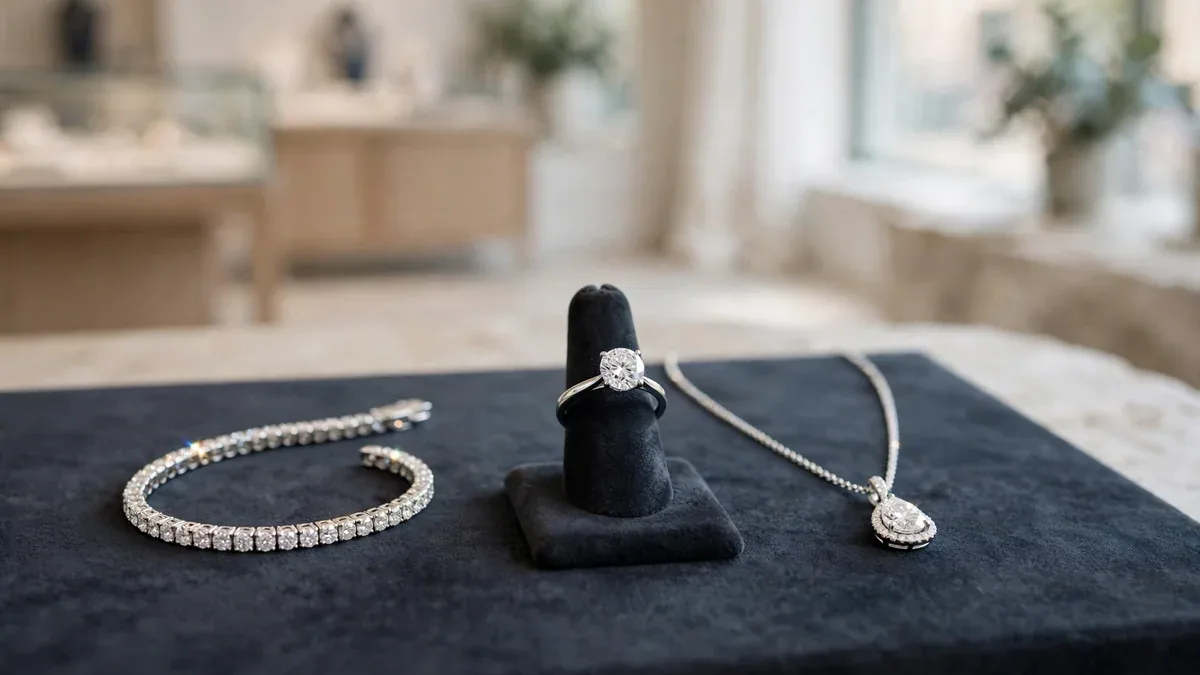
A diamond is a purchase you make with your eyes first and your head second. The stone catches the light, the setting feels right, and the name on the box does the rest of the persuading. That is why choosing among the best diamond jewelry brands takes more care than choosing a pair of earrings you liked in a window. Two rings can look almost identical in a photograph yet differ enormously in stone quality, grading honesty, and setting strength.
The brands in this guide earned their place for different reasons. Some, like Tiffany & Co. and Harry Winston, built their reputations over more than a century of cutting and setting exceptional stones. Others, like Blue Nile and James Allen, earned theirs by making certified diamonds transparent and affordable online. A heritage house gives you craftsmanship, service, and a name that holds value. An online-first jeweler gives you a larger stone for the same budget and the paperwork to prove it.
Below are eight brands worth considering in 2027, from storied Paris and New York houses to modern online jewelers. Each is described by what it does well, what to watch for, and who it suits best, so you can choose with the stone in mind, not just the box.
Key takeaways
- The best diamond jewelry brands combine certified stones, honest grading, strong settings, and aftercare you can actually use.
- Heritage houses charge a premium for craftsmanship, service, and the name, while online-first brands such as Blue Nile and James Allen usually offer a larger stone for the same budget.
- Always buy a diamond with an independent grading report from GIA or AGS, and check that the report number matches the stone.
- Cut matters more than most buyers expect: a well-cut smaller diamond often looks brighter than a larger, poorly cut one.
- No brand guarantees a diamond will hold its value, and a certificate describes the stone, not the setting, the service, or the price you should pay.
What makes a diamond jewelry brand worth trusting
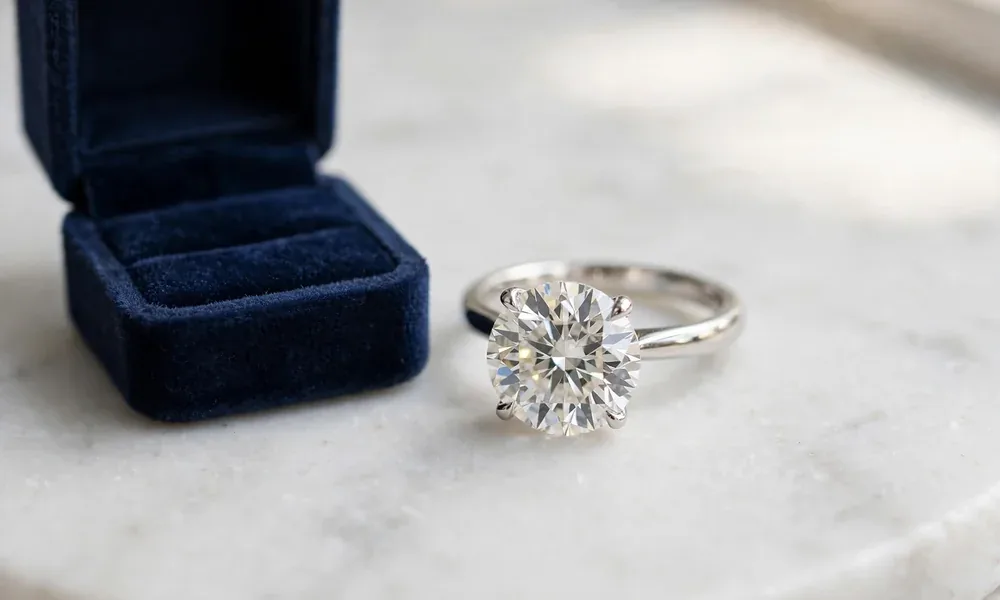
Trust in diamond jewelry comes down to four things. The first is certification. A reputable jeweler sells centre stones with an independent grading report, usually from the Gemological Institute of America (GIA) or the American Gem Society (AGS), and the report number is inscribed on the stone’s girdle so you can match the paper to the diamond in front of you. A brand that is vague about grading is asking you to take its word for the most expensive part of the purchase.
The second is the setting. A beautiful diamond in a weak setting is a lost diamond waiting to happen. Well-made prongs are even and secure, and bezels protect the edges of a stone worn every day. A trustworthy brand inspects and tightens settings as part of its aftercare, and tells you plainly when a piece needs attention rather than waiting for a prong to fail.
The third is transparency about price. Diamonds are priced by the four Cs, carat weight, cut, colour, and clarity, and two stones with the same headline carat weight can be worth very different amounts. A good brand explains why one stone costs more than another, shows you comparable stones, and does not hide behind a brand premium without saying so. The fourth is aftercare: cleaning, inspection, resizing, and a warranty or service plan that is written down, not promised in conversation. Our diamond buying guide walks through the four Cs in detail, and it is worth reading before you compare brands, because it is the grading that decides what a stone is worth.
What to look for in the best diamond jewelry brands
Start with the stone, not the brand. Decide your budget, then decide what matters most within it. If size matters most, an online-first jeweler will usually give you more carat weight for the same money. If you want a design that is recognisable at a glance, a heritage house is where that lives. If you will wear the piece every day, put setting strength and aftercare ahead of carat weight.
Then look at how the brand sources its diamonds. Some houses work mainly with natural diamonds, some offer both natural and lab-grown, and some specialise in lab-grown stones at a lower price. The brand should be clear about which you are buying, and the price should reflect it: a lab-grown diamond is chemically the same as a natural one, but it costs far less. Finally, look beyond engagement rings: a house with strong necklaces, earrings, and bracelets is easier to build a collection with.
Tiffany & Co.
What we like: The most recognisable name in diamond jewelry, with a design heritage going back to 1837, strict sourcing standards, and the Tiffany Setting, the six-prong solitaire introduced in 1886 that still defines the modern engagement ring.
What to consider: Premium pricing across the range; you pay for the name as well as the stone, so a comparable diamond costs more here than online. Materials: Platinum, 18k gold, sterling silver. Signature diamond pieces: Tiffany Setting engagement ring, Tiffany Victoria collection, diamond tennis bracelets. Price context: Luxury pricing, well above high-street prices.
An editor note from our desk: choose Tiffany when the occasion matters as much as the stone. The stones are carefully selected and the settings are made to last.
Cartier
What we like: A Paris house founded in 1847 with a gift for turning jewelry into icons, from the Juste un Clou nail bracelet to the Love bracelet, and a high jewelry workshop that handles exceptional stones.
What to consider: Luxury prices, designs that are often copied, and waiting lists for the most popular styles. Materials: Platinum, 18k gold in yellow, white, and rose. Signature diamond pieces: Juste un Clou diamond bracelet, Love bracelet with diamonds, Cartier Destinée solitaire. Price context: Luxury pricing, well above comparable stones from online jewelers.
An editor note from our desk: if you love a specific Cartier design, buy the real thing and buy it once. The design language is the reason to choose Cartier: clean, architectural, and instantly recognisable.
Harry Winston
What we like: Known as the King of Diamonds since the house was founded in 1932, with a history of owning and cutting some of the most famous diamonds in the world.
What to consider: Prices sit at the top of the luxury market, boutiques are few, and the range is aimed at serious collectors and milestone purchases. Materials: Platinum, 18k gold. Signature diamond pieces: Winston Cluster engagement ring, Winston Candy collection, high jewelry necklaces and earrings. Price context: Ultra-luxury pricing, among the most expensive in this guide.
An editor note from our desk: this is the house to visit when the stone itself is the event. The centre stones are exceptional and the settings are kept light, so the diamond does the work.
Bulgari
What we like: Bold Italian design from a house founded in Rome in 1884, with a distinctive use of colour and volume, and the Serpenti collection, one of the most recognisable designs in jewelry.
What to consider: Statement designs that suit confident styling more than quiet minimalism, and firmly luxury prices. Materials: 18k gold, platinum, coloured gemstones alongside diamonds. Signature diamond pieces: Serpenti Viper bracelets and rings, B.zero1 diamond rings. Price context: Luxury pricing, for design and craftsmanship as much as stone size.
An editor note from our desk: Bulgari suits the buyer who already owns a classic solitaire and wants a second piece with far more character.
Van Cleef & Arpels
What we like: A Paris house founded in 1906, famous for the Mystery Set, which sets stones with no visible metal, and for the Alhambra collection, whose clover motif is a quiet luxury classic.
What to consider: High jewelry prices and delicate designs, with many best-known pieces better suited to occasions than to hard daily wear. Materials: Platinum, 18k gold, mother-of-pearl and coloured stones alongside diamonds. Signature diamond pieces: Vintage Alhambra diamond bracelets and pendants, Frivole diamond earrings. Price context: Luxury pricing, with Alhambra among the more accessible entries.
An editor note from our desk: this is the brand for a gift that should feel personal and poetic, especially in the Alhambra and Frivole lines.
Blue Nile
What we like: An online-first jeweler founded in 1999 that made diamond buying transparent, with a large inventory of certified diamonds, clear pricing by the four Cs, and a build-your-own ring tool.
What to consider: You buy largely from photographs and grading reports rather than seeing the stone first, and the experience is practical rather than luxurious. Materials: Platinum, 18k gold, 14k gold. Signature diamond pieces: Build-your-own solitaire engagement rings, diamond tennis bracelets. Price context: Among the most competitive in this guide.
An editor note from our desk: this is the value choice in this guide, and the right first stop while you are learning what your budget buys.
Brilliant Earth
What we like: A jeweler founded in 2005 with a clear ethical focus, offering beyond-conflict-free natural diamonds alongside lab-grown stones, recycled precious metals, and settings made to order.
What to consider: Made-to-order pieces take longer than buying off the shelf, and still need the same independent grading checks as any other brand. Materials: Recycled platinum and 18k gold, natural and lab-grown diamonds. Signature diamond pieces: Custom engagement rings, hidden halo solitaires, diamond wedding bands. Price context: Mid-range to premium, with lab-grown options considerably below natural prices.
An editor note from our desk: this is a strong pick when provenance matters to the couple as much as the stone itself.
James Allen
What we like: An online jeweler founded in 2006 that built its name on 360-degree high-definition imagery of every diamond, so you can inspect the actual stone you are buying.
What to consider: The stone looks different in person than on screen, and the large inventory can be overwhelming without a clear budget in mind. Materials: Platinum, 18k gold, 14k gold. Signature diamond pieces: Build-your-own engagement rings, pavé and halo settings. Price context: Competitive online pricing, from affordable everyday pieces to large solitaires.
An editor note from our desk: use the imagery to compare three or four stones at the same grade, and the differences in cut quality become obvious very quickly.
Natural diamonds, lab-grown diamonds, and what to know before you choose
Every brand in this guide sells natural diamonds, and several also sell lab-grown diamonds, so it helps to know the difference before you shop. A lab-grown diamond is a real diamond, with the same composition, hardness, and sparkle as a mined stone. The difference is origin and price. A lab-grown stone of the same size and grade typically costs far less, which is why it is popular for larger stones and fashion jewelry.
That price gap is also the reason to be careful. A natural diamond holds its value better over time, while a lab-grown diamond is a newer product whose resale value is low and uncertain. If you want a large, beautiful stone for a set budget and do not plan to resell it, lab-grown is a sensible choice. If you are buying an engagement ring as a long-term asset as well as jewelry, a natural stone with a GIA report is the safer purchase. The same question runs through our guide to diamond versus moissanite engagement rings: not which stone is better in theory, but which fits your budget and your plans.
Whatever you choose, insist on the paperwork. A natural diamond above a modest size should come with a GIA or AGS grading report, and a lab-grown diamond with a report that states clearly that the stone is lab-grown. Check that the report number is inscribed on the stone, ask for the report before you pay, and keep it with the receipt. If a seller is reluctant to show you the report, walk away.
The best diamond jewelry brands at a glance
Use this table to narrow the list to two or three brands, then compare their stones and settings directly.
| Brand | Best for | Price level | Natural and lab-grown |
|---|---|---|---|
| Tiffany & Co. | Iconic solitaires and heritage | Luxury | Natural |
| Cartier | Recognisable design | Luxury | Natural |
| Harry Winston | Exceptional stones | Ultra-luxury | Natural |
| Bulgari | Bold statement diamond jewelry | Luxury | Natural |
| Van Cleef & Arpels | Romantic craftsmanship | Luxury | Natural |
| Blue Nile | Value and certified stones online | Competitive | Both |
| Brilliant Earth | Ethical sourcing and custom rings | Mid-range to premium | Both |
| James Allen | Seeing the stone first | Competitive | Both |
One pattern is worth noticing. The heritage houses cluster at the luxury end and work mainly with natural diamonds, while the online-first brands cluster at the competitive end and offer both. That split is the real choice in this guide: the design, service, and name of a house, or the size and value of the stone you get online. There is no wrong answer, but there is a wrong way to decide: paying a heritage price for a stone you never inspected, or buying the cheapest stone online without checking its grading report.
Checklist: buying diamond jewelry honestly
Use these checks before you buy, and keep the paperwork together once you have.
- Check the grading report: GIA or AGS for a significant stone, with the report number inscribed on the girdle.
- Check the cut first: a well-cut diamond looks brighter than a larger stone with a poor cut.
- Check the setting: prongs should be even and secure, and the brand should offer inspection and tightening as part of its aftercare.
- Check the price honestly: compare stones of the same four Cs across two brands before deciding what a premium is worth.
- Check the return and warranty terms in writing: returns, resizing, and servicing.
- Check the piece in daylight: shop lights flatter every diamond, so look at the stone in ordinary light before you commit. If you are building a small collection, start with versatile pieces such as our guide to diamond necklaces.
Frequently asked questions
Which diamond jewelry brand is the best overall?
There is no single best brand, because the right choice depends on what you value most. Tiffany & Co. is the strongest all-round choice for heritage, design, and service. Blue Nile and James Allen are the strongest for value and stone size per budget, and Harry Winston is the strongest for an exceptional stone. Start with your budget, then narrow the list to two or three brands and compare their stones directly.
Are lab-grown diamonds worth buying?
Yes, if you want a larger stone for your budget and do not plan to resell it. Lab-grown diamonds are real diamonds with the same sparkle and hardness as natural stones, and they typically cost far less at the same size and grade. They do not hold resale value the way natural diamonds do, so treat them as a beautiful purchase rather than an asset.
How much should I spend on a diamond engagement ring?
There is no correct amount, and the old rules about months of salary are marketing, not guidance. Decide what you can afford, then spend it on cut quality and certification first, and carat weight second. A well-cut, well-graded stone of modest size looks better than a larger stone with a weak cut and no independent report.
Is Tiffany & Co. worth the premium?
For many buyers, yes, but know what the premium buys: design heritage, strict stone selection, setting quality, and service after the sale, not simply a larger or better-graded stone. If stone size per budget is your priority, an online-first jeweler will give you more diamond for the same money.
What is the safest way to buy a diamond online?
Buy from a brand that shows you the actual stone in magnified imagery, provides an independent GIA or AGS grading report, and offers a clear return window. Check the report number against the stone when it arrives, have it inspected by an independent jeweler if the purchase is significant, and keep the report and receipt together.
Do diamond jewelry brands hold their value?
Some hold value better than others, but no brand guarantees it. Heritage houses such as Tiffany & Co., Cartier, and Harry Winston tend to retain more value, especially iconic designs in good condition. Online-first brands and lab-grown stones generally retain less. Buy a diamond because you love the piece, not because you expect it to appreciate.
The bottom line
The best diamond jewelry brands in 2027 are the ones that are honest about what they sell. Tiffany & Co., Cartier, Harry Winston, Bulgari, and Van Cleef & Arpels offer design, craftsmanship, and service no online jeweler can match. Blue Nile, Brilliant Earth, and James Allen offer certified stones, transparent pricing, and more diamond for your money, and ask you to give up the boutique experience in return. Both are fair trades, as long as you know which one you are making.
Choose your budget first, then your priority: design or stone size, heritage or value, natural or lab-grown. Check the grading report, inspect the setting, and look at the stone in daylight before you commit. A diamond is a purchase you will live with for years, and the brand that earns it is the one that helps you choose well.