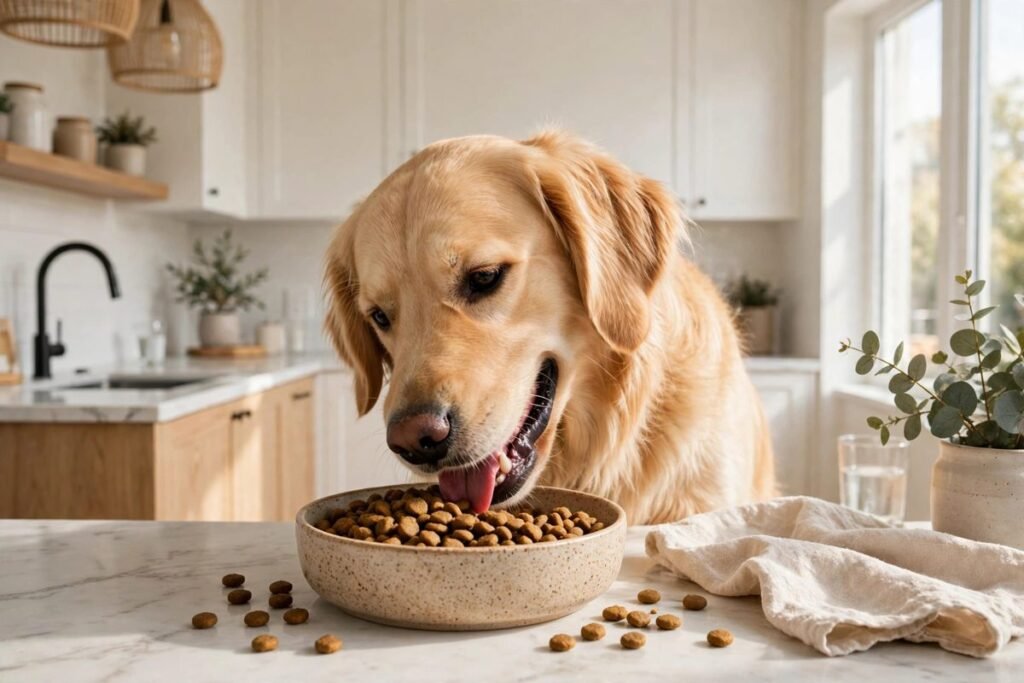
Walk into any pet shop and the choice of the best food for dogs feels endless: shelves of kibble, rows of tins and chilled raw packs, all promising everything from shiny coats to calm stomachs. It is no wonder so many owners stand in the aisle and wonder whether they are feeding their dog well, or just feeding them expensively.
So what is the best food for a dog? There is no single winner, because the right food depends on your dog’s age, size, activity level and health. A growing puppy, a couch-loving senior and a dog with a delicate stomach all need different things. This guide ranks the ten main types of dog food, so you can find the right match.
Key takeaways:
- The best food for dogs depends on age, size, activity and health, not on price or packaging.
- Look for a food labelled complete and balanced, and feed to your dog’s condition.
- Change foods slowly over a week or so, mixing the old and new food.
- Fresh water should always be available.
- Talk to your vet before switching food if your dog has a health condition or a dietary issue.
What makes a good dog food?
A good dog food gives your dog everything they need in the right proportions, day after day. In the UK, a food described as complete and balanced is designed to do exactly that, providing protein, fat, fibre, vitamins and minerals in amounts suited to a dog’s needs.
Protein builds muscle, skin and coat, and it should come from a named animal source, such as chicken, lamb, beef or fish, rather than a vague description. Fat supplies energy and helps keep the coat glossy, while fibre supports healthy digestion. For more on protein, our guide to high protein foods covers the same building blocks from our side of the bowl.
Age and size shape the choice more than anything else, and the proof is in your dog: a healthy weight, a glossy coat and plenty of energy mean the food suits them.
The 10 best types of food for dogs in 2027
1. Complete dry kibble
Best for: everyday feeding for most healthy adult dogs.
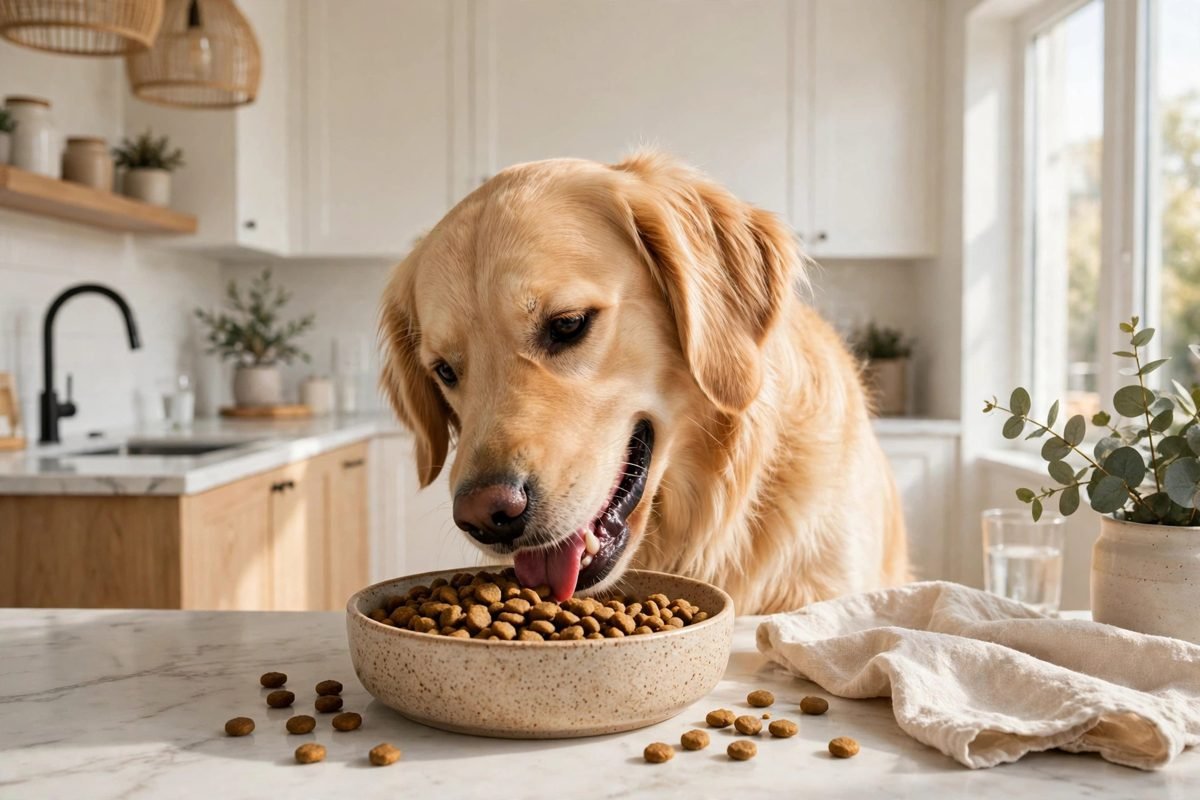
Dry kibble is the most popular dog food for good reason: it is convenient, keeps well, is easy to measure, and a good complete kibble covers all of a dog’s nutritional needs. Choose one with a named meat or fish as the first ingredient and a label that says complete and balanced, then adjust to your dog’s waistline.
2. Wet food
Best for: fussy eaters, older dogs, and dogs that need more water in their diet.
Wet food comes in tins, trays and pouches, and its strong smell and soft texture make it hard for most dogs to resist. That suits fussy eaters and older dogs that find hard kibble a struggle, and it carries a lot of water, which helps keep a dog hydrated. The trade-off is cost: once opened, it needs to go in the fridge and be used quickly.
3. Mixed feeding: kibble and wet food together
Best for: owners who want the convenience of kibble with the appeal of wet food.
Mixed feeding combines dry kibble with a spoonful or two of wet food. The kibble keeps the cost down and the meal simple, while the wet food adds smell, moisture and flavour. The trick is to keep the total amount right: wet food has to replace part of the kibble, or your dog will steadily gain weight.
4. Puppy food
Best for: puppies from weaning until they are fully grown.
Puppy food is made for growth, with the nutrient balance a young dog needs to build bone, muscle and a healthy immune system. It is richer in energy and protein than adult food, and it comes in small-breed and large-breed versions. Small breeds usually move to adult food at around a year old, while large breeds may need puppy food for longer.
5. Senior food
Best for: older dogs that are slowing down and gaining weight easily.
Senior food is made for the quieter years, when a dog burns fewer calories but still needs good nutrition. It is usually lower in calories than adult food, with ingredients that are easy to digest. The right time to switch is not a birthday but a change in your dog: less interest in long walks or a thickening waistline.
6. Sensitive stomach food
Best for: dogs with delicate digestion or frequent loose stools.
Some dogs have stomachs that react to almost everything, and sensitive stomach food is made with that in mind. It usually uses a single, easily digested protein, such as chicken or lamb, with simple carbohydrates like rice. Check with your vet before assuming the food is the problem, because loose stools can have many causes.
7. Weight-management food
Best for: dogs carrying extra weight that need to slim down safely.
Weight-management food is designed to help a dog lose weight without feeling hungry all day. It is lower in calories than standard food but higher in fibre, so the bowl still looks full and the dog still feels satisfied. Weigh the food rather than guessing, count treats as part of the daily ration, and build up gentle exercise.
8. Home-cooked meals
Best for: owners who want full control over every ingredient.
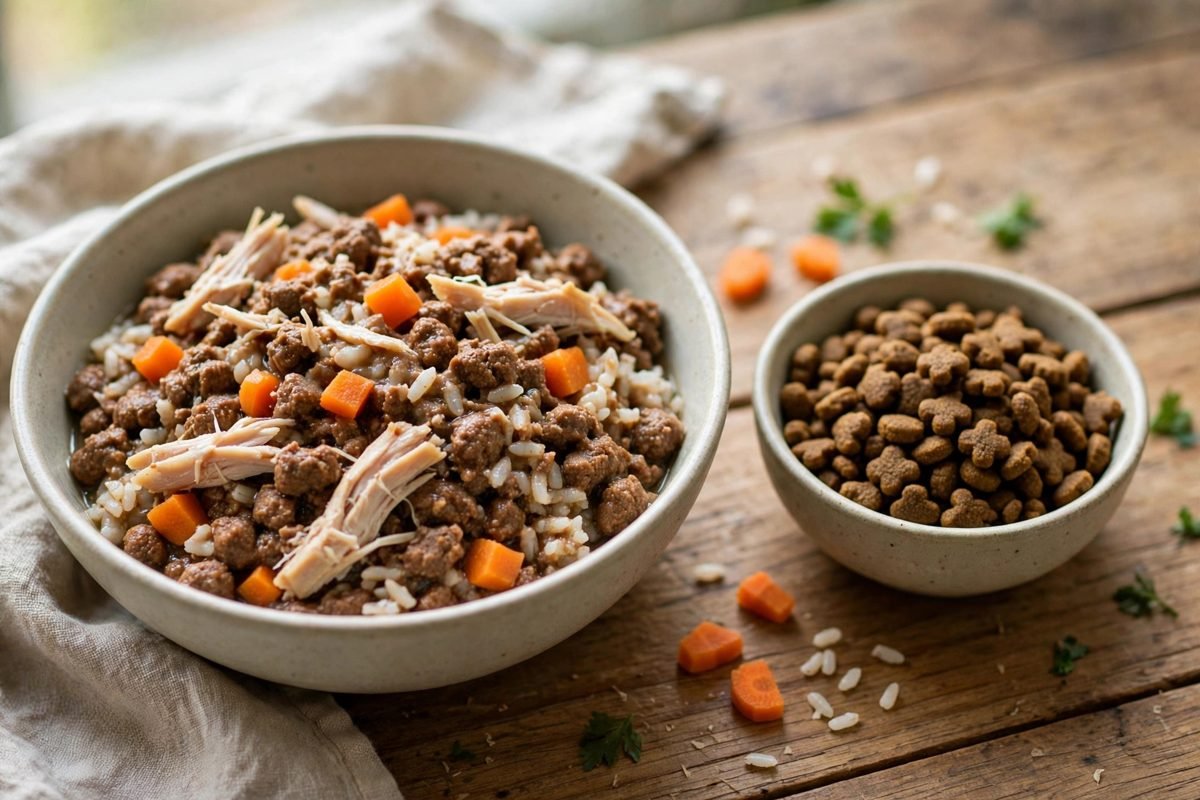
Home-cooked meals give you complete control over what goes into the bowl, which suits owners whose dogs have allergies or intolerances. A typical meal combines a cooked protein, such as chicken or beef, with a carbohydrate like rice and some vegetables. The catch is balance: a bowl of chicken and rice alone does not contain everything a dog needs over time, so talk to your vet before committing to home cooking. If you cook chicken at home, our guide to baked chicken breast covers the method, though your dog’s portion should be plain, with no seasoning.
9. Raw feeding
Best for: experienced owners who can plan, store and handle raw food safely.
Raw feeding means giving a dog raw meat, bones and offal, sometimes with vegetables, instead of cooked or processed food. Its supporters say it gives dogs shinier coats, cleaner teeth and smaller stools. It is also the most demanding way to feed a dog: raw food needs careful handling and storage to avoid bacteria spreading around the kitchen, and the diet needs the right mix of meat, bone and offal. Talk to your vet first.
10. Limited-ingredient food
Best for: dogs with a suspected food intolerance or allergy.
Limited-ingredient food keeps the recipe short on purpose, usually one protein and one carbohydrate, so there are fewer suspects if your dog reacts to something. It is the food vets often suggest when a dog has itchy skin, ear problems or digestive trouble. It works best as part of an elimination diet guided by your vet.
Best food for dogs at a glance
| Food type | Best for | Main strengths | Watch out for |
|---|---|---|---|
| Complete dry kibble | Everyday feeding | Convenient, affordable, easy to store | Easy to overfeed if you guess portions |
| Wet food | Fussy eaters and older dogs | Appetising, hydrating, gentle on teeth | Costly, needs refrigeration once opened |
| Mixed feeding | Best of both worlds | Flavour of wet food, cost of kibble | Total portion must be adjusted |
| Puppy food | Growing dogs | Supports growth and development | Too rich for adults, switch at the right time |
| Senior food | Older, less active dogs | Lower calories, easy to digest | Switch by condition, not by birthday |
| Sensitive stomach | Delicate digestion | Simple, gentle ingredients | Check with a vet first |
| Weight management | Overweight dogs | Filling, lower in calories | Treats still count towards the daily total |
| Home-cooked | Full ingredient control | Fresh, tailored, appealing | Needs planning to stay balanced |
| Raw feeding | Experienced owners | Minimally processed, dogs enjoy it | Handling, storage and balance matter |
| Limited ingredient | Suspected intolerances | Short recipe, fewer suspects | Best used with vet guidance |
Your dog food checklist
Work through this list before you change your dog’s food.
- Check the label: look for a food described as complete and balanced for your dog’s life stage.
- Match the life stage: puppy, adult or senior food, and a size that suits your dog’s breed.
- Weigh the portions: use kitchen scales rather than a scoop, and adjust to your dog’s waistline.
- Change food slowly: mix the old and new food over a week or so, increasing the new food gradually.
- Keep water fresh: a clean bowl of fresh water, changed daily, whatever food you choose.
- Count the treats: treats and chews are part of the daily ration, not extra on top.
- Watch your dog: a healthy weight, a glossy coat and good energy mean the food suits them.
- Ask your vet: before switching food if your dog has a health condition or a dietary issue.
Frequently asked questions
What is the best food for dogs overall?
There is no single best food: the right choice depends on your dog’s age, size, activity and health. For most healthy adult dogs, a complete and balanced kibble, or a mix of kibble and wet food, is a good everyday choice.
Is wet food or dry food better for dogs?
Neither is better across the board. Dry food is convenient and affordable, while wet food is more appetising and hydrating, which suits fussy eaters and older dogs. Many owners feed a mix of the two.
How much food should I give my dog each day?
Start with the feeding guide on the bag, then adjust to your dog’s condition: an active dog needs more than a quiet one, and a dog that is gaining weight needs less. Weigh the food with kitchen scales. If you are unsure, ask your vet.
Can dogs eat home-cooked food every day?
Yes, but only if the diet is planned to be complete and balanced. A bowl of plain chicken and rice is not enough on its own over time, so talk to your vet or a veterinary nutritionist before switching to home cooking full time.
How do I switch my dog to a new food?
Change the food gradually over about a week: start with mostly the old food and a little of the new, then increase the new food a little each day. A slow switch is much kinder to your dog’s stomach than a sudden change.
Do dogs need grain-free food?
Most dogs do not. Grains like rice and oats are a normal part of many complete dog foods, and only a small number of dogs have a genuine grain sensitivity. If you think yours does, talk to your vet before switching.
Sources
General feeding guidance here reflects widely published advice from veterinary and animal welfare organisations, including the British Veterinary Association, the People’s Dispensary for Sick Animals and the RSPCA, which all recommend complete and balanced food suited to a dog’s life stage. For related reading, our guide to high protein foods covers protein for people, and our guide to best baking sheets is handy if you bake homemade dog treats.
The bottom line
The best food for dogs is not the most expensive bag on the shelf. It is the food that suits your dog’s age, size and health, that is complete and balanced, and that your dog eats happily while staying at a healthy weight with a glossy coat.
Your next step is simple: check the label on the food you feed now, weigh your dog’s portions for a week, and watch how they look and feel. If anything is not right, talk to your vet before changing foods.
Pet health note: this article is general guidance only, not veterinary advice. If your dog has a health condition, a dietary issue, or a reaction to a new food, speak to your vet before making changes.