The best food delivery service in 2027 is the one that fits how you actually eat, whether that is a hot takeaway on a Friday night, a weekly grocery shop that arrives at your door, or a box of meal-kit ingredients that turns into dinner. There is no single winner: a service that suits a busy family may not suit someone living alone, and one that works in a city may not cover a village. This guide compares ten kinds of food delivery service, so you can pick the one that matches your routine and your postcode.
Food delivery has grown from a Friday-night treat into an everyday habit. Restaurants, supermarkets, meal-kit companies and ready-meal makers all deliver now, and the lines have blurred: a supermarket can bring dinner ingredients in an hour, and a meal kit can teach you a new dish. The choice is which kind earns a regular place in your week.
Key takeaways:
- For most people, restaurant delivery suits treats and grocery delivery suits the weekly shop.
- Meal kits suit people who want to cook without planning, while ready meals suit people who want no cooking at all.
- Availability and delivery times vary by area, so check what covers your address before choosing.
- Compare the full cost, including delivery fees and tips, rather than the menu price alone.
How do food delivery services work?
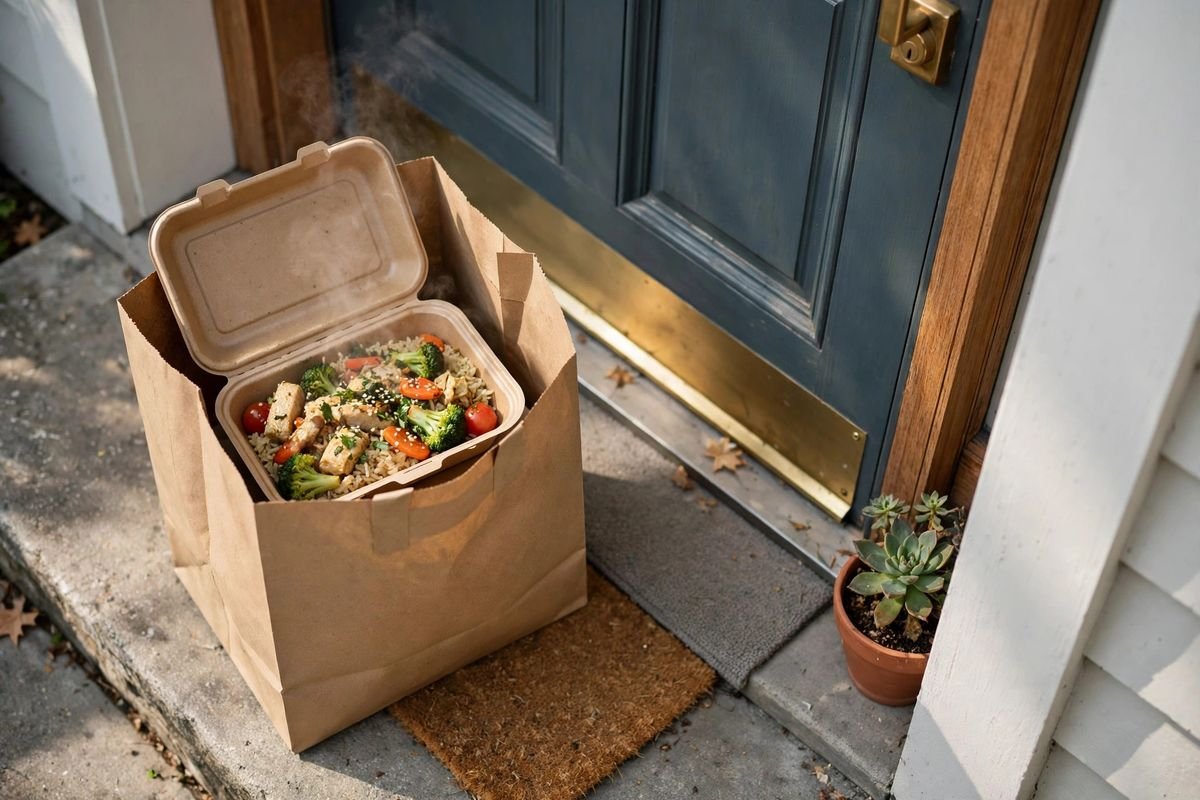
Most food delivery services follow the same simple pattern: you order through an app or a website, the food is prepared or picked, a courier brings it to your door, and you pay online. Behind that simplicity sit very different operations. A restaurant delivery service cooks your meal to order, a grocery service picks items from a shop, a meal-kit service packs measured ingredients in a chilled box, and a ready-meal service sends dishes that only need heating.
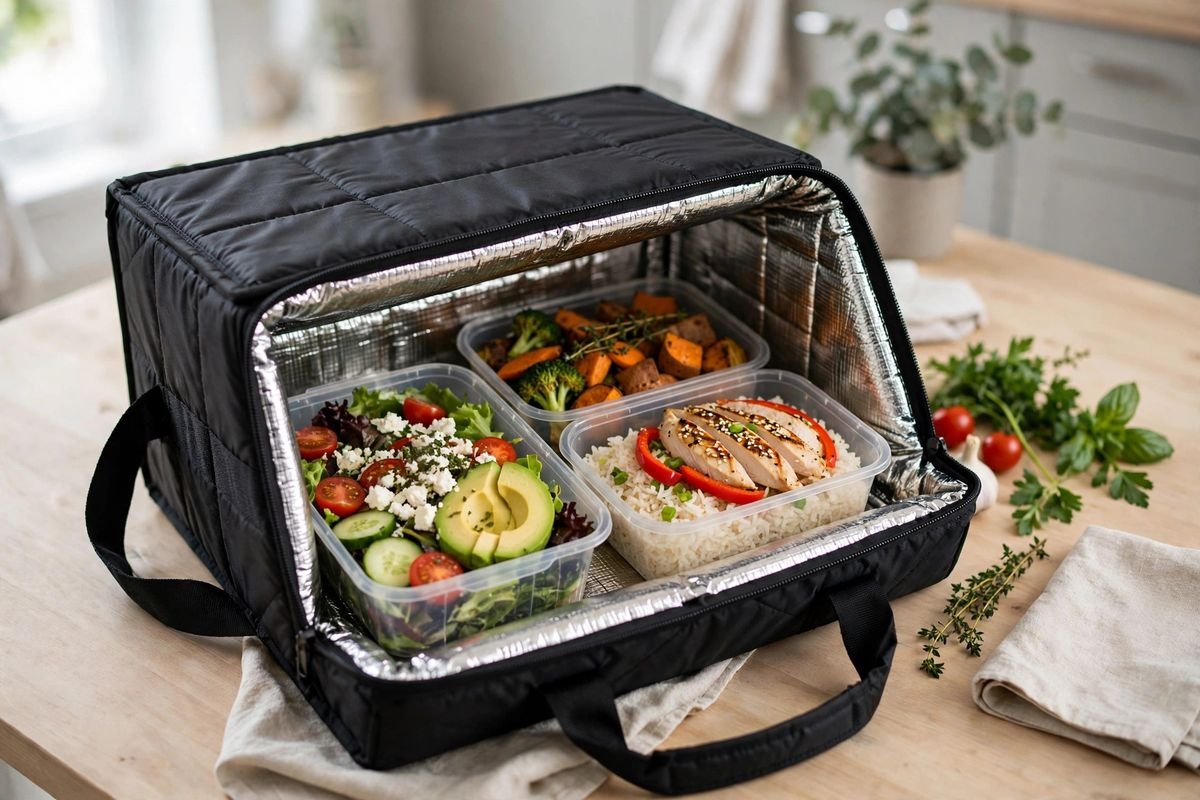
Delivery times vary. Restaurant and on-demand grocery orders often arrive within the hour, while meal kits and ready meals usually arrive on a chosen day in a weekly slot. Under-an-hour delivery suits a spontaneous dinner; a weekly slot suits a household that plans ahead.
The 10 best food delivery services in 2027
These ten picks are types of service rather than named companies, because the right type matters more than a brand.
1. Restaurant delivery
Restaurant delivery is the classic food delivery service: you order a cooked meal from a local restaurant, and a courier brings it to your door, usually within the hour. It suits Friday nights and evenings when cooking feels like too much, and offers the widest choice of cuisines, from pizza to Thai curries. A single meal with delivery fees and a tip often costs far more than cooking at home.
Best for: hot takeaway meals and treating yourself without cooking.
2. Grocery delivery
Grocery delivery brings your weekly shop to your door, from a supermarket or a local grocer, in a scheduled slot you choose. It suits busy households, people without a car, and anyone who would rather not spend Saturday morning in a supermarket queue. You choose items online, the shop picks and packs them, and you can often ask for a substitute. You cannot pick your own fruit or check a use-by date yourself.
Best for: the weekly shop and households that plan meals in advance.
3. Meal-kit delivery
A meal kit is a box of measured ingredients and a recipe card, delivered to your door, usually once a week. It suits people who enjoy cooking but hate planning, because the kit decides what is for dinner and gives you exactly what you need, with nothing left over. The recipes are often more adventurous than a household’s usual dishes, a good way to learn. You still have to cook, and the boxes generate a fair amount of packaging.
Best for: home cooks who want to cook without planning or shopping.
4. Ready-meal delivery
Ready-meal delivery sends cooked dishes that only need heating, either in the oven or the microwave, and it suits people who want a proper meal with no cooking at all. The dishes are often made in small batches and designed to travel well, and suit single people, older relatives and anyone recovering from illness. The trade-off is variety: a weekly menu is smaller than a restaurant menu.
Best for: no-cook evenings and anyone who wants a proper meal with no effort.
5. On-demand courier delivery
On-demand courier delivery is the fastest kind of service: you order from a local shop or restaurant, and a courier picks it up within minutes, often arriving in under an hour. It suits forgotten ingredients, a sudden craving, or one item you need today. The trade-off is that fast delivery costs more per order, and the range is usually limited to shops near your address.
Best for: urgent orders and same-day cravings.
6. Scheduled subscription delivery
A scheduled subscription delivers on a regular rhythm — the same day each week, for example — and it suits households that like routine. You set preferences once, deliveries keep coming, and you can usually pause or skip a week when away. It works well for groceries, meal kits and ready meals, removing the weekly decision about what to order. The trade-off is flexibility, because a fixed schedule does not suit a household whose plans change every week.
Best for: regular routines and households that like to set and forget.
7. Local independent restaurant delivery
Some restaurants deliver themselves, with their own drivers and their own ordering, rather than through a large delivery platform. It often means hotter food, because the driver comes straight from the kitchen, and more of your money reaches the restaurant. It suits people with a favourite local place who want to support it directly, and often comes with a smaller menu the kitchen knows well. Our guide to the best Chinese restaurants shows local favourites worth ordering from directly.
Best for: supporting a favourite local restaurant and getting food straight from its kitchen.
8. Special-diet delivery
Special-diet delivery covers services built around a particular way of eating, whether that is vegetarian, vegan, gluten-free, halal or low-sugar. These services suit people whose diet is not well served by general menus, because every dish is designed around their needs rather than adapted as an afterthought. The trade-off is a smaller menu and, often, a higher cost. Always check allergen information yourself.
Best for: dietary needs that general menus do not cover well.
9. Bulk and family-size delivery
Bulk and family-size delivery sends large portions designed to feed a household, a gathering or a party, often at a lower cost per person than individual orders. It suits family dinners and weekend gatherings, because one large order is simpler and cheaper than five small ones. Large orders need planning and fridge space, and are not right for a quiet night in for two.
Best for: feeding a crowd, family dinners and weekend gatherings.
10. Late-night delivery
Late-night delivery covers services that keep going after most kitchens have closed, and it suits shift workers, students and anyone whose evening runs long. The choice is usually smaller late at night, and delivery can be slower, because fewer restaurants and couriers are working. Know which services cover your area after midnight before you need them.
Best for: late evenings, shift workers and night owls.
How do the best food delivery services compare?
| Service type | What you get | Typical speed | Cooking needed | Best for |
|---|---|---|---|---|
| Restaurant delivery | Cooked meal | Under an hour | None | Takeaway nights |
| Grocery delivery | Weekly shop | Same day or scheduled | Full cooking | Weekly shop |
| Meal-kit delivery | Ingredients and recipe | Weekly slot | Full cooking | Learning to cook |
| Ready-meal delivery | Cooked dishes to heat | Weekly slot | Heating only | No-cook evenings |
| On-demand courier | Local shop or restaurant | Under an hour | None | Urgent orders |
| Scheduled subscription | Regular deliveries | Weekly rhythm | Varies | Routine |
| Local independent | Restaurant’s own delivery | Under an hour | None | Local favourites |
| Special-diet | Diet-specific dishes | Varies | Varies | Dietary needs |
| Bulk and family-size | Large portions | Scheduled | Varies | Feeding a crowd |
| Late-night | After-hours meals | Slower at night | None | Night owls |
If you order in often, see our guide to the best breakfast burritos and our guide to the best burgers in New York City.
Your food delivery checklist
Work through this list before you choose a service.
- Check coverage first: confirm it delivers to your address when you order.
- Add up the full cost: include delivery fees, service charges, minimum orders and tips.
- Match the type to your week: restaurant delivery for treats, grocery delivery for the shop.
- Check the menu for your diet: make sure there are enough suitable dishes.
- Read local reviews: look for comments about cold food and missing items.
- Try one order before subscribing: a single delivery tells you more than any review.
- Keep chilled food cold: put groceries and meal kits away as soon as they arrive.
Frequently asked questions
Which food delivery service is cheapest?
There is no single cheapest service, because the cost depends on what you order, where you live and how often you order. Grocery delivery is usually cheapest for a household for a week, while restaurant delivery is most expensive per meal. Compare the full cost of a typical order, including fees and tips.
Do food delivery services deliver everywhere?
No. Coverage varies by area, and rural areas often have far fewer options than cities. Some services cover a town at lunchtime but not late at night, and some cover one postcode but not the next street. Always check your own address on each service you consider.
Are meal kits good value?
Meal kits cost more than buying the same ingredients yourself, but they save the time spent planning, shopping and measuring, and they cut food waste because every ingredient is portioned. They are good value if you would otherwise throw food away or eat out, and poor value if you already plan meals well.
How do I complain about a bad delivery?
Contact the service through its app or website as soon as the food arrives, and describe the problem clearly: cold food, a missing item, or a damaged package. Take a photo if you can. Most services offer a replacement or refund for a genuine problem.
Is delivered food safe to eat?
Delivered food is safe when it is kept at the right temperature and eaten promptly. Eat hot food while it is hot, put chilled food in the fridge straight away, and do not leave perishable food out for hours. If a delivery arrives warm, damaged or leaking, contact the service and do not eat anything you are unsure about.
Sources
This guide covers types of service rather than named companies, so no company’s menu, fees or coverage are quoted, and availability is not stated for any area. It draws on general consumer guidance about ordering food and food safety. See our guides to the best Chinese restaurants and the best breakfast burritos.
The bottom line
The best food delivery service is the one that fits your week: restaurant delivery for a treat, grocery delivery for the weekly shop, a meal kit if you want to cook without planning, and a ready meal if you want no cooking at all. Check coverage for your own address first, add up the full cost, and try one delivery before you subscribe. Your next step is simple: pick the type that matches your busiest evening, check that it delivers to you, and order once.
Food safety note: eat hot delivered food promptly, refrigerate chilled deliveries straight away, and check allergen information before ordering. If a delivery arrives warm, damaged or leaking, contact the service and do not eat anything you are unsure about.