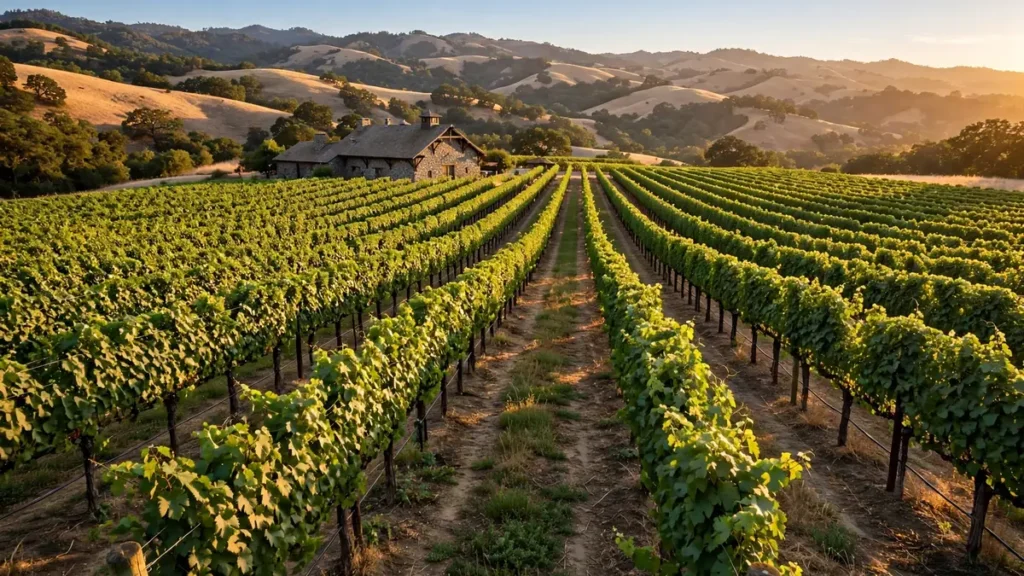
The best wineries in Napa reward visitors who plan around contrast rather than volume. A good day pairs a historic estate with a sparkling wine chateau, or a grand Oakville name with a quiet hillside tasting room.
Which ten wineries deserve a place on a 2027 itinerary? The list below covers first-time visitors, serious collectors and architecture lovers, and every estate here is open to visitors.
Key takeaways
- Book ahead for every winery on this list, since most Napa estates now welcome guests by reservation only.
- Plan two or three winery visits per day, with a proper break for lunch between tastings.
- Start in Carneros for sparkling wine, then move north through Oakville and St. Helena for Cabernet Sauvignon.
- Mix one historic estate with one scenic estate to get the fullest sense of the valley in a single day.
How to choose a winery in Napa
Start with the wine you enjoy most. Napa is famous for Cabernet Sauvignon, yet Carneros produces excellent sparkling wine and Pinot Noir, while cooler corners suit Chardonnay and Sauvignon Blanc. If white wine is your preference, our guide to the best Sauvignon Blanc is a useful starting point.
Think about the setting as well as the wine. Some visitors want a grand historic estate with gardens and cellars, while others prefer a small tasting room with a view across the vines. A castle, a hilltop reached by tram and a quiet family estate all deliver very different afternoons.
Consider the pace of your day. Tastings are usually seated and hosted, and most last an hour or more. Two visits in a morning and one in the afternoon leaves room for lunch and the drive between towns, which is part of the pleasure of the valley.
The 10 Best Wineries in Napa in 2027
1. Robert Mondavi Winery, Oakville
Best for: first-time visitors and Napa history.
Robert Mondavi founded this Oakville winery in 1966, and it remains the most useful first stop for anyone new to the valley. The mission-style arch and tower have become visual shorthand for modern Napa, and the estate explains the region’s story better than any other single address.
The winery reopened in April 2026 after a multi-year transformation, with a new hospitality wing built around guided tastings and cellar tours. Tastings are structured and educational, with hosts who explain what you are drinking rather than simply pouring it.
2. Domaine Carneros, Carneros
Best for: sparkling wine and terrace views.
Domaine Carneros sits at the southern end of the valley, styled after an eighteenth-century French chateau. The Taittinger family founded the estate in 1987, and it remains one of the best places to break up a Cabernet-heavy itinerary with traditional-method sparkling wine.
Every tasting is seated and hosted by a wine professional, with views across rolling vineyard hills from the terrace. The estate specialises in sparkling wine and Pinot Noir, and the relaxed pace makes it a gentle opening stop.
3. Castello di Amorosa, Calistoga
Best for: architecture and a first-time visit with a sense of occasion.
Castello di Amorosa is a winery built as a medieval Tuscan castle, complete with stone halls, courtyards, a chapel and underground cellars. It is one of the most visually distinctive estates in Napa, and even visitors with little interest in wine remember the building.
The standard tasting includes a flight of wines plus access to the courtyard, tower, chapel and Great Hall.
4. Stag’s Leap Wine Cellars, Stags Leap District
Best for: serious Cabernet Sauvignon and wine history.
Stag’s Leap Wine Cellars earned its place in wine history when its 1973 S.L.V. Cabernet Sauvignon won the 1976 Judgment of Paris tasting, outscoring celebrated Bordeaux wines. The result put Napa Valley on the world wine map, and the estate still pours Cabernets that live up to that reputation.
The winery sits on the Silverado Trail in the Stags Leap District, an area known for silky, elegant Cabernet Sauvignon.
5. Beringer Vineyards, St. Helena
Best for: historic architecture and a classic estate tour.
Beringer Vineyards has been in continuous operation since 1876, making it Napa Valley’s oldest continuously operating winery. The estate survived Prohibition by producing sacramental wine while other wineries closed, and its history is woven into every part of a visit.
The Rhine House, built in 1884, is the centrepiece of the estate, surrounded by gardens and historic caves.
6. Opus One, Oakville
Best for: a special occasion and a landmark Bordeaux-style blend.
Opus One is a joint venture between Robert Mondavi and Baron Philippe de Rothschild, two of the most famous names in wine. The partnership produced a single Bordeaux-style blend, made in a striking modern winery in Oakville.
Visits here are intimate and by appointment, with tastings that focus on the estate’s flagship wine and the story behind it.
7. Sterling Vineyards, Calistoga
Best for: panoramic views and a memorable arrival.
Sterling Vineyards sits on a hilltop above Calistoga, reached by aerial tram. The ride up is part of the experience, and the views from the terrace stretch across the valley floor in every direction.
The winery is known for its hilltop setting as much as its wines, and the self-guided tasting route lets visitors move through the estate at their own pace.
8. Artesa Vineyards and Winery, Carneros
Best for: Chardonnay, Pinot Noir and modern design.
Artesa sits on a hilltop in Carneros, with a modern building that opens onto wide views of the southern valley. The estate specialises in Chardonnay and Pinot Noir, the cool-climate wines that suit this fog-influenced corner of Napa.
The architecture is contemporary and calm, with terraces and tasting rooms designed around the landscape.
9. Caymus Vineyards, Rutherford
Best for: bold, rich Cabernet Sauvignon.
Caymus Vineyards is a family estate in Rutherford, run by the Wagner family across generations. It is one of the names most often mentioned when Napa Cabernet Sauvignon comes up in conversation, and its wines are known for richness and warmth.
The winery itself is charming and low-key, a contrast to the grander estates further south.
10. Domaine Chandon, Yountville
Best for: sparkling wine with food in Yountville.
Domaine Chandon is the California sparkling wine estate of Moet and Chandon, set in Yountville at the southern end of the valley. It pairs sparkling wine with food in a way few other Napa wineries attempt, and the gardens suit long, unhurried visits.
The estate pours a range of sparkling wines alongside still wines, and the food pairings make it a natural lunch stop as well as a tasting.
What a Napa Wine Tasting Feels Like

A Napa tasting is rarely a quick stand at a bar. Most are seated, hosted and unhurried, with a flight of wines poured one at a time while the host talks through the vineyards, the vintage and the winemaking.
Expect to spend an hour or more at each estate. The best hosts ask what you enjoy, adjust the order of the wines, and answer questions without jargon. If you are new to tasting, say so at the start, since a good host will shape the experience around your level.
Food matters more than many first-timers expect. A proper lunch between tastings keeps the afternoon enjoyable.
Yountville and St. Helena both offer excellent places to eat. Our guide to the best restaurants in Napa will help you plan that break.
How do the best wineries in Napa compare?
The ten estates differ less in quality than in character. The table below sets out the setting, the wines to look for and the mood of each visit, so you can shape a day that suits your taste.
| Winery | Area | Known for | Visit style |
|---|---|---|---|
| Robert Mondavi Winery | Oakville | Cabernet Sauvignon | Guided and educational |
| Domaine Carneros | Carneros | Sparkling wine | Seated terrace tasting |
| Castello di Amorosa | Calistoga | Castle estate wines | Tour and tasting |
| Stag’s Leap Wine Cellars | Stags Leap District | Cabernet Sauvignon | Seated and focused |
| Beringer Vineyards | St. Helena | Historic estate wines | Guided estate tour |
| Opus One | Oakville | Bordeaux-style blend | Intimate, by appointment |
| Sterling Vineyards | Calistoga | Hilltop estate wines | Tram and self-guided tasting |
| Artesa Vineyards and Winery | Carneros | Chardonnay and Pinot Noir | Terrace tasting |
| Caymus Vineyards | Rutherford | Cabernet Sauvignon | Relaxed tasting |
| Domaine Chandon | Yountville | Sparkling wine | Tasting with food |
Use the table to balance your day. A historic estate pairs well with a scenic one, and a focused Cabernet tasting pairs well with a relaxed sparkling wine stop.
What to Check Before You Buy
Ask about shipping before you fall for a bottle. Many wineries can arrange delivery, which spares you carrying cases through airports and hotels. Check whether your home region is covered, since shipping rules vary.
Taste before you commit to a case. A single bottle from a tasting you enjoyed is a safer souvenir than a case of something you only half remember. Most estates will hold a purchase for collection later in the day.
Note the vintage and the vineyard name on any bottle you buy. Both shape how the wine will age, and both help you find the same wine again later. A quick note on your phone is enough.
Napa Winery Visit Checklist
- Book every tasting in advance, and confirm the reservation the day before you travel.
- Arrange a driver or a tour, so nobody in your group needs to drive between tastings.
- Plan two or three winery visits per day, with a proper lunch break in between.
- Bring a light layer, since mornings in the valley can be cool even in summer.
- Carry water and eat before your first tasting of the day.
- Leave room in your luggage, or arrange shipping, for any bottles you buy.
Frequently Asked Questions
How many wineries should I visit in one day in Napa?
Two or three is the right number for most visitors. Tastings are seated and last an hour or more, and the drive between estates takes time. A slower day with a proper lunch is more enjoyable than a rushed one.
Do I need a reservation to visit a Napa winery?
Yes, in almost every case. Most Napa estates now welcome guests by reservation only, and the popular wineries fill weekend slots weeks ahead. Book as early as you can, and confirm before you travel.
What is the best area of Napa for first-time visitors?
Carneros is a gentle place to start, with sparkling wine and wide views, while Oakville and St. Helena offer the historic estates that explain Napa’s story. A day that moves from south to north covers both in a natural order.
Can I visit Napa wineries without drinking wine?
Yes, and several estates welcome non-drinkers warmly. Tours, gardens, architecture and food pairings all reward a visit, and many tasting rooms offer a non-alcoholic option. Mention it when you book so the host can plan accordingly.
When is the best time of year to visit Napa wineries?
Spring and autumn are the most comfortable seasons, with mild weather and fewer crowds than summer. Harvest season in the autumn brings energy to the valley, while winter offers quieter tasting rooms and easier reservations.
The Bottom Line
The best wineries in Napa offer far more than good wine. They offer history, architecture, scenery and the pleasure of a day shaped around the vines, from the chateau terraces of Carneros to the castle in Calistoga.
Start with the wines you love, book ahead, and keep the day to two or three visits. Stay close to the valley if you can, since a short drive home makes the evening far easier. Our guide to the best luxury vineyard hotels will help you choose a base for the trip.
Please drink responsibly.