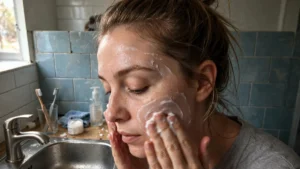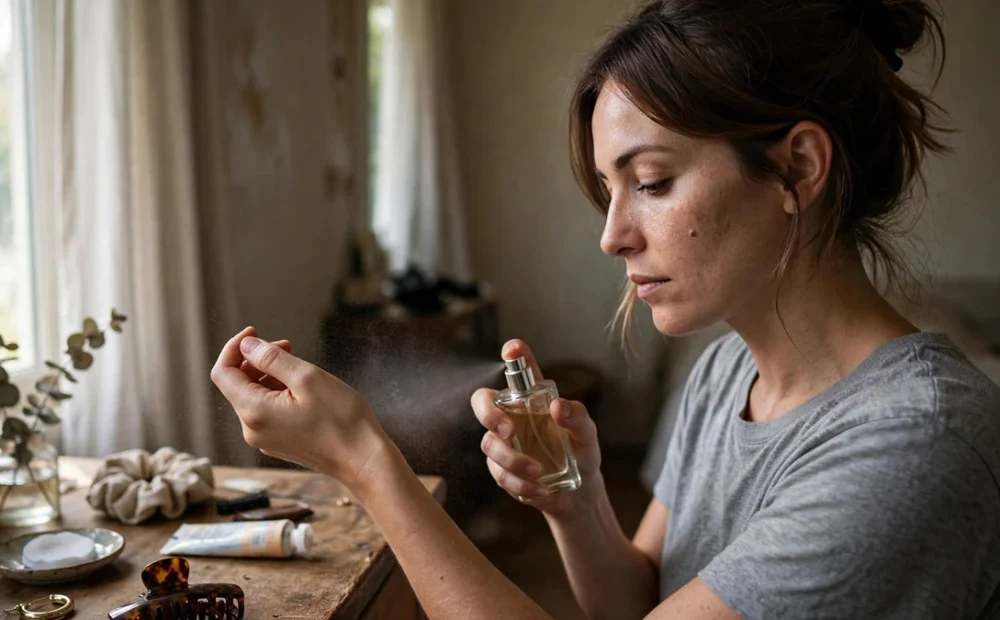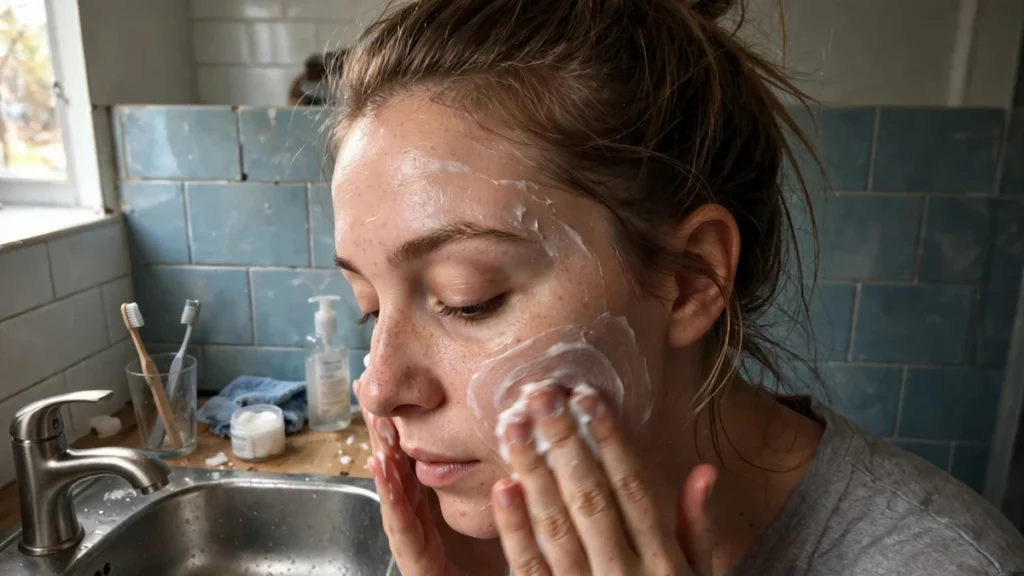
A cleansing balm looks like the least likely product to clean your face. It is a solid, buttery scoop of oils and waxes that melts into liquid on warm skin, and rubbing oil onto an already oily face can sound backwards. Yet cleansing balms have become the first step in many careful routines, because they dissolve sunscreen, long-wear makeup and daily grime better than a foaming wash, without leaving skin tight or stripped.
The confusion usually comes from the name. A balm is not a moisturiser or a treatment. It is a first cleanser, massaged in and rinsed away, usually followed by a gentle water-based wash. Used that way, it is one of the most forgiving products in skincare. Used on its own, or left sitting on the skin, it can leave a film behind, which is where most complaints begin.
This guide explains what a cleansing balm actually is, how it works, which textures suit which skin, and the mistakes that make a good balm feel bad. By the end, you should know whether a balm belongs in your routine, how to choose one honestly, and how to use it so it cleans properly instead of moving makeup around.
Key takeaways
- A cleansing balm is a solid oil-based first cleanser that melts on warm skin and dissolves sunscreen, makeup and daily grime.
- It works because oil dissolves oil, so it lifts long-wear makeup and sunscreen more easily than a foaming wash.
- Most people should follow a balm with a gentle water-based cleanser, especially if skin is oily or acne-prone.
- Look for a balm that rinses clean without a greasy film, and avoid heavy fragrance if your skin is sensitive.
- A balm cannot replace sunscreen, treat acne or remove pigmentation, and one that stings, clogs or leaves a waxy residue is the wrong balm for your skin.
What a cleansing balm actually is
A cleansing balm is an anhydrous cleanser, meaning it contains no water. It is made mostly from plant oils, butters and waxes, with an emulsifier added so it turns milky when water touches it and rinses away instead of sitting on the skin. In the jar it holds a soft solid shape, and warmed between the fingers it becomes a light oil. Massaged over the face, it loosens the oil-based layers water alone cannot shift: sunscreen, foundation, long-wear lip colour, waterproof mascara and the sebum and pollution that collect during the day.
That is the whole job of a balm. It is not meant to exfoliate, treat breakouts, or stay on the skin as a moisturiser. It is a first step. The classic routine, often called double cleansing, pairs it with a second, water-based cleanser that removes whatever the balm loosened. Our guide to what double cleansing is explains that two-step routine in full, and a balm is the most common way to do the first step.
Balms differ from cleansing oils mainly in texture and control. An oil runs and drips, while a balm stays where you put it, which makes it easier to massage around the eyes without product running into them. Balms also differ from micellar water, which cleans with tiny surfactant clusters on a cotton pad and suits light makeup days, while a balm handles heavy sunscreen and full makeup more comfortably. The right choice depends on how much you wear and how your skin reacts.
How a cleansing balm works and what to look for
A balm works on a simple principle: like dissolves like. The oils in the balm bind to the oils on your skin, including sunscreen filters, makeup pigments and sebum, and hold them until they are rinsed away. The emulsifier is what makes this practical. Without it, the oil would stay on your face after rinsing and leave a greasy film. With it, the balm turns into a milky emulsion when you add water and washes off cleanly. That is why the rinse matters as much as the massage.

When you shop for one, read the texture first and the claims second. A good balm feels smooth, not gritty, melts within seconds of warming, and rinses to a clean finish. Fragrance is a matter of preference, but sensitive skin usually does better without it, and essential oils can irritate even when they smell pleasant. If you have sensitive eyes, look for a balm described as suitable for the eye area, and test it on a light-makeup day before using it on waterproof mascara.
9 things worth knowing about cleansing balms
Before buying a balm, it helps to know how the different types behave, because one that suits dry skin can feel heavy on oily skin, and one that melts beautifully in summer can turn stiff in a cold bathroom. These nine facts cover the differences that matter most.
A balm melts, it does not foam
What It Shows: A balm changes from a solid to an oil on warm skin, then to a milky liquid when water is added. It never produces foam.
What to Consider: If you like the feeling of a deep foaming wash, a balm alone will feel unfinished, which is why most people follow it with a second cleanser.
Best For: Anyone who wears sunscreen or makeup daily and wants the first step to feel gentle rather than stripping.
Material: Plant oils and butters such as shea or jojoba, held in a soft wax base with an emulsifier.
Price Range: Around £10 to £40 for a standard jar, with larger or luxury jars costing more.
Standout Feature: The melt-on-contact texture makes it easy to massage without tugging at the skin.
Oil dissolves oil, and that is the point
What It Shows: The oils in a balm bind to sunscreen, long-wear makeup and sebum, which are all oil-based and hard for water alone to shift.
What to Consider: A balm will not remove every trace of waterproof mascara in one pass, so a second gentle pass can still help.
Best For: Heavy sunscreen days, full makeup, and skin that feels tight after foaming washes.
Material: Lightweight plant oils such as sunflower or safflower, which rinse more cleanly than very heavy butters.
Price Range: Around £12 to £35 for a well-formulated everyday balm.
Standout Feature: It removes long-wear makeup without the rubbing that cotton pads and wipes require.
The emulsifier decides whether it rinses clean
What It Shows: An emulsifier lets the oil mix with water and wash away, instead of leaving a greasy layer behind.
What to Consider: Balms without a good emulsifier feel rich but leave a film that can trap dirt and lead to breakouts on oily skin.
Best For: Oily and combination skin, where a clean rinse matters more than extra richness.
Material: Gentle emulsifiers such as polyglyceryl-based blends, paired with lighter oils.
Price Range: Around £10 to £30 for balms that rinse cleanly.
Standout Feature: A proper milky rinse is the clearest sign that a balm is well made.
A balm is a first cleanser, not the whole routine
What It Shows: A balm removes oil-based layers, but it is not designed to clean sweat, dust and water-based residue alone.
What to Consider: Skipping the second wash is the most common reason people say a balm broke them out, when the real problem is residue left behind.
Best For: Evenings, when sunscreen and makeup need removing before the rest of the routine.
Material: Any standard balm base, used as step one and followed by a gentle gel or cream wash.
Price Range: Around £10 to £40, depending on the jar size and the brand.
Standout Feature: It makes the second cleanse quicker and gentler, because the heavy work is done.
Texture changes with temperature
What It Shows: A balm softens in warmth and firms up in cold, so the same jar can feel different in summer and winter.
What to Consider: Store it away from radiators and sunny windowsills, and warm a small scoop between your palms before applying it.
Best For: Anyone whose bathroom runs cold in winter and who has noticed their balm turning stiff.
Material: Butters such as shea firm up more in the cold, while lighter oil-based balms stay softer.
Price Range: Around £12 to £35 for most everyday formulas.
Standout Feature: Warming it in your hands first gives a smoother, more even massage.
Fragrance-free suits sensitive skin best
What It Shows: Fragrance and essential oils add scent but no cleaning benefit, and they are a common trigger for redness.
What to Consider: A balm that smells of lavender or citrus may still irritate reactive skin, even if the scent feels natural.
Best For: Sensitive, reactive or eczema-prone skin, and anyone who has reacted to scented skincare before.
Material: Unscented plant oils and butters with no added essential oils or synthetic fragrance.
Price Range: Around £10 to £30 for fragrance-free balms.
Standout Feature: No scent means fewer variables when you are trying to work out what your skin reacts to.
A little goes a long way
What It Shows: A coin-sized scoop is enough for the whole face, because the balm spreads thinly once it has melted.
What to Consider: Using too much makes rinsing harder and wastes product, while using too little means dragging dry skin instead of massaging it.
Best For: Anyone who wants a jar to last several months rather than a few weeks.
Material: Concentrated oil and butter bases with no water to dilute them.
Price Range: Around £10 to £40 per jar, with most jars lasting two to four months.
Standout Feature: Because it is water-free, a small amount covers the whole face easily.
It suits dry skin, and oily skin can use it too
What It Shows: A balm cleans without stripping, so dry skin keeps more comfort and oily skin is not pushed to overproduce oil.
What to Consider: Oily and acne-prone skin should choose a lighter balm that rinses clean and always follow with a second cleanser.
Best For: Dry and dehydrated skin in particular, and oily skin when the formula is light and the rinse is thorough.
Material: Richer butters for dry skin, lighter oils such as grapeseed or sunflower for oily skin.
Price Range: Around £10 to £35 across both light and rich formulas.
Standout Feature: It cleans without the tight, squeaky feeling that harsh washes leave behind.
It is not a makeup remover wipe in a jar
What It Shows: A balm needs a minute of gentle massage to dissolve makeup properly, while a wipe relies on rubbing.
What to Consider: Rushing the massage, or wiping the balm off with a dry cloth instead of rinsing, defeats the purpose.
Best For: Evenings when you have a minute to spare and want makeup fully removed rather than smeared.
Material: Standard balm bases that emulsify with water, used with wet hands and a proper rinse.
Price Range: Around £10 to £30 for an everyday balm.
Standout Feature: The massage step is what makes it more thorough than a wipe.
Which cleansing balm is right for your skin type
Dry skin usually does best with a richer balm built on butters such as shea or mango seed, because the extra cushion feels comfortable and the skin is less likely to feel tight afterwards. These balms rinse a little more slowly, so take the extra few seconds with water and follow with a creamy second cleanser rather than a foaming one.
Oily and combination skin needs the opposite emphasis. Choose a lighter balm with oils such as sunflower, grapeseed or safflower, check it turns properly milky on rinsing, and always follow it with a gentle gel wash. A heavy balm that does not rinse clean will leave a film that can clog pores. The best cleansing balms of 2027 include rich and light options, so compare textures rather than prices when you choose.
Sensitive skin should keep the formula as simple as possible. Fragrance-free, essential-oil-free, and a short ingredient list are the safest starting point, and a patch test behind the ear for two or three evenings is worth the patience. Acne-prone skin can use a balm, but it should be a light one that rinses clean, and it should never replace treatment products. If breakouts increase after starting a balm, the likeliest cause is residue left behind, so tighten up the rinse and the second cleanse first.
The caveats that matter
A cleansing balm is a simple product, but a few honest caveats keep it useful. It will not treat acne, fade pigmentation or replace sunscreen. It also needs water to work properly, so applying it to a dry face and wiping it off without rinsing leaves the job half done. People with very oily or acne-prone skin should be the most careful about the rinse, and anyone using prescription skincare should check with their dermatologist before changing the first step of their routine.
| Detail | What is known |
|---|---|
| Main job | Removes sunscreen, makeup and oil-based grime as a first cleanser |
| Texture | Solid in the jar, melts to oil on warm skin, turns milky with water |
| Second cleanse | Recommended for most skin, especially oily or acne-prone skin |
| Dry skin | Usually suits richer balms with butters such as shea |
| Oily skin | Suits lighter balms that rinse clean, with a gel second wash |
| Sensitive skin | Choose fragrance-free and essential-oil-free formulas |
| Eye area | Most balms are safe around the eyes, but test on a light-makeup day first |
| What it cannot do | Cannot treat acne, fade dark spots or replace sunscreen |
Checklist: choosing a cleansing balm honestly
- Check it turns milky when water is added, so it rinses clean instead of leaving a film.
- Match the richness to your skin: butters for dry skin, lighter oils for oily or acne-prone skin.
- Choose fragrance-free if your skin is sensitive, reactive or prone to redness.
- Take a coin-sized scoop, warm it between your palms, and massage for about a minute.
- Always rinse thoroughly and follow with a gentle second cleanser in the evening.
- Stop using it if it stings, clogs your pores or leaves a waxy residue after rinsing properly.
Frequently asked questions
Do I need a cleansing balm if I do not wear makeup?
Not necessarily. If you wear sunscreen daily, a balm still helps, because sunscreen is designed to stay put and a foaming wash alone can struggle with it. If you wear neither makeup nor sunscreen, a gentle water-based wash is usually enough.
Can I use a cleansing balm every day?
Yes, most people use one every evening. In the morning it is usually unnecessary, since there is no sunscreen or makeup to remove, and a light rinse or gentle wash is enough.
Is a cleansing balm the same as a cleansing oil?
They work the same way, but a balm is solid and stays where you put it, while an oil runs and drips. A balm is easier to control around the eyes, and an oil is quicker to spread. The cleaning result is similar when both rinse well.
Will a cleansing balm make oily skin worse?
No, when it is rinsed off properly. The balm does not stay on the skin, so it adds no lasting oil. The risk is a heavy balm that does not rinse clean, so oily skin should pick a light formula and always follow with a second cleanser.
Can I use micellar water instead of a balm?
For light makeup days, yes. Micellar water cleans well with a cotton pad and suits travel and lazy evenings. For heavy sunscreen or full makeup, a balm is more thorough and gentler, because it dissolves rather than rubs. Our roundup of the best micellar waters of 2027 can help you compare the two approaches.
How long should a jar of cleansing balm last?
Most jars last two to four months with daily evening use, since a coin-sized scoop covers the whole face. If a jar runs out in a few weeks, you are probably using too much, which also makes rinsing harder.
The bottom line
A cleansing balm is one of the simplest upgrades a routine can have, used for what it is: a gentle first cleanser that dissolves sunscreen and makeup, then rinses away. Choose a texture that matches your skin, make sure it turns milky and rinses clean, keep fragrance out if your skin is sensitive, and always follow it with a second wash in the evening.
Do not expect it to treat skin concerns or replace the rest of your routine. Its job is to leave the skin properly clean without stripping it, so everything you apply afterwards works on a fresh surface. Used that way, a balm earns its place in the jar.