Pearl and diamond necklaces are the two classics that never leave fashion, but they could hardly be more different. A pearl necklace is soft and understated, glowing from inside rather than sparkling. A diamond necklace is bright and brilliant, with a flash that catches the eye. Both are worn for weddings, milestones, and evenings that matter, and both can be a poor choice if you pick the wrong one.
The real difference is not just looks. Pearls are organic and delicate, and can be damaged by perfume and rough handling. Diamonds are the hardest natural material, need almost no care, and hold their value, but they cost far more, and a small diamond necklace can look underwhelming if poorly cut. A pearl necklace worn with confidence and a diamond necklace worn with pride are both good buys; a necklace chosen for the name alone is not.
This guide compares pearl and diamond necklaces across nine points: light, durability, care, price, comfort, photographs, ageing, layering, and occasion. Each point ends with a clear steer, so you can choose the necklace that fits your life.
Key takeaways
- Pearls glow softly and flatter the face; diamonds sparkle brightly and draw the eye.
- Diamonds are far more durable and need almost no care, while pearls are delicate and must be kept away from perfume and moisture.
- A good pearl necklace costs far less than a diamond one, so your budget buys a better piece in pearls.
- Check pearl lustre, surface, and matching, and diamond cut, clarity, and certification rather than carat weight alone.
- Neither stone is maintenance-free: a necklace never cleaned or stored properly will look tired whatever it is made from.
What pearl and diamond necklaces actually are
A pearl necklace is usually a strand of cultured pearls, or a single pearl on a chain. Freshwater pearls are the most affordable, in many shapes and colours. Akoya pearls are the classic round, white, lustrous saltwater pearls. South Sea pearls are larger and more expensive; Tahitian pearls are naturally dark, with grey, green, and peacock tones. A pearl’s value comes from its lustre, surface, shape, and matching, not just its size.
A diamond necklace is usually a line of diamonds set in gold or platinum, a tennis necklace, or a single diamond pendant on a chain. A diamond’s value comes from the four Cs: cut, colour, clarity, and carat weight. Cut matters most for sparkle: a well-cut diamond returns light brilliantly, while a poorly cut one looks dull. Most diamond necklaces use small stones, so three carats in total is very different from one three-carat diamond.
Both are long-standing symbols of elegance, but they come from opposite worlds. Pearls are organic, grown by a living creature, each one slightly different. Diamonds are mineral, formed under pressure over millions of years. That difference explains almost everything about how each necklace behaves and what it is worth.
How we chose these comparisons and what to look for
For pearls, look first at lustre, the sharp reflection on the surface. A good pearl shows a clear, crisp reflection; a poor one looks chalky or dull. A few tiny blemishes are normal, but large spots, cracks, or peeling nacre mean a poor pearl. Finally, check the matching: the pearls should be similar in size, shape, colour, and lustre, and the strand should be knotted between each pearl.

For diamonds, look first at cut, which decides how much the stone sparkles. A well-cut diamond looks bright and lively; a poorly cut one looks flat and glassy. Look next at colour and clarity: near-colourless G to I stones look white to the eye and cost far less than colourless D to F stones, and small inclusions invisible without magnification do not affect the look. Ask for certification for any diamond necklace of real value, and be wary of listings that give only a total carat weight, with no cut, colour, or clarity.
Finally, consider the setting and the chain. A pearl strand needs a secure clasp and even knots; a diamond necklace needs settings that hold each stone firmly, with no wobble, and a chain strong enough for the stones. Our guide to what to look for in a pearl necklace walks through the pearl checks in more detail. The same careful eye applies to diamonds: buy the best quality you can afford, in the stone that suits your life, not just the biggest one you can find.
The 9 comparisons that matter
1. The quality of the light
What it shows: Pearls give off a soft glow, while diamonds give off a sharp sparkle. What to consider: Pearl lustre is warm and flattering in soft light, while diamond brilliance is dramatic and draws the eye. Neither is better; they suit different moods and lighting. Best for: Soft, flattering light in pearls; dramatic sparkle in diamonds. Material: High-lustre pearls; well-cut diamonds, G to I. Price range: Pearl strand from around $150; diamond tennis necklace from around $1,500. Standout feature: Pearls glow; diamonds flash.
2. Durability and everyday wear
What it shows: Diamonds are the hardest natural material and almost impossible to scratch, while pearls are soft, at 2.5 to 4.5 on the hardness scale, and can be scratched or chipped. What to consider: A diamond necklace can be worn daily with very little risk, but check the prongs once a year. A pearl necklace should be the last thing you put on and the first thing you take off, and never worn for sport or swimming. Best for: Daily wear in diamonds; special occasions in pearls. Material: Diamonds in 14k gold; cultured pearls on knotted silk. Price range: Diamond pendants from around $400; pearl strands from around $150. Standout feature: A diamond necklace survives daily life; a pearl one needs a gentler routine.
3. Care and maintenance
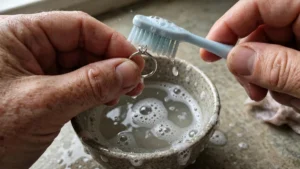
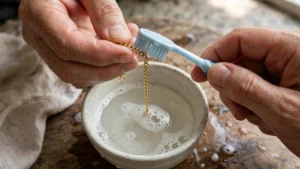
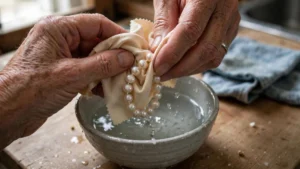
What it shows: Pearls need careful, regular care, while diamonds need almost none. Perfume, hairspray, and sweat can damage pearls, so wipe them with a soft cloth after wearing and store them separately. What to consider: Pearl strands should be restrung every year or two if worn often, because silk weakens. Diamonds need only warm soapy water and a soft brush, with an annual setting check. Best for: Low-maintenance wearers in diamonds; people happy with a gentle routine in pearls. Material: Cultured pearls on silk; diamonds in gold. Price range: Restringing around $50 to $150; a diamond check and clean is often free from the jeweller who sold it. Standout feature: Pearls reward careful handling; diamonds reward almost none.
4. Price and value for money
What it shows: A beautiful pearl necklace costs a fraction of a comparable diamond one. A high-quality freshwater or Akoya strand costs a few hundred dollars; a diamond tennis necklace costs thousands. What to consider: Diamonds hold resale value far better, and a certified diamond necklace is an asset as well as jewellery. Pearls are a better buy if you want beauty for your money: your budget buys a far more impressive pearl necklace. Best for: Maximum beauty for your budget in pearls; lasting value in diamonds. Material: Freshwater or Akoya pearls; certified diamonds in 14k gold. Price range: Pearls $150 to $1,000; diamonds $1,500 to $20,000 and above. Standout feature: Pearls give you more necklace for your money; diamonds give you more value.
5. Weight and comfort
What it shows: Pearl strands are light and comfortable, while diamond necklaces can feel heavier because of the setting and the stones. What to consider: A long, multi-strand pearl necklace can still feel heavy, and a single diamond pendant can feel weightless. Comfort depends on the design and the length as much as the stone, so try it on before deciding. Best for: All-day comfort in a single pearl strand or a diamond pendant; a formal feel in a diamond tennis necklace. Material: Freshwater pearls on silk; diamonds in 14k gold. Price range: Pearl strands from around $150; diamond pendants from around $400. Standout feature: Pearls are the lighter, softer wear; diamonds are the more substantial one.
6. How each necklace photographs
What it shows: Pearls photograph beautifully in soft light, with a gentle glow; diamonds photograph best in bright light, where their sparkle reads clearly. What to consider: Diamonds can glare in flash photography, and pearls can look flat in harsh light. A pearl necklace is the safer choice for wedding photographs; a diamond necklace is the stronger choice for evening photographs. Best for: Wedding photographs in pearls; evening photographs in diamonds. Material: High-lustre pearls; well-cut diamonds. Price range: Lustre and cut, not price, decide how a necklace photographs. Standout feature: Pearls are forgiving in photographs; diamonds are dramatic.
7. How they age over time
What it shows: Diamonds do not change: a diamond necklace looks the same in fifty years, apart from the setting, which can be repaired or replaced. Pearls change: their lustre can fade without care, and their silk thread needs regular restringing. What to consider: Well-cared-for pearls last for generations, and vintage pearl necklaces are often beautiful, with a soft patina. Neglected pearls can look dull and yellowed, and an unrestrung strand is a risk. Best for: A piece to hand down unchanged in diamonds; a soft, lived-in character in pearls. Material: Certified diamonds in gold; cultured pearls with good nacre. Price range: Vintage pieces vary widely; condition and certification matter more than age. Standout feature: Diamonds stay the same forever; pearls age with you, for better or worse.
8. Layering with other jewellery
What it shows: Pearls layer beautifully with gold chains and delicate pendants, because their glow is gentle. Diamonds layer best with other sparkle, such as a pendant with a tennis necklace, or with a plain gold chain that lets the stones lead. What to consider: A pearl strand and a diamond necklace worn together can work, but the pearl strand should sit at a different length, so they do not tangle or compete. Best for: Soft, romantic layering in pearls; bright, glamorous layering in diamonds. Material: Freshwater pearls with gold chains; diamonds in 14k gold. Price range: Pearl layering sets from around $200; diamond sets from around $1,000. Standout feature: Pearls are the easier stone to layer softly; diamonds are the bolder one to build a stack around.
9. Occasion and dress code
What it shows: Pearls are the classic choice for weddings and daytime events, while diamonds are the classic choice for evening and black-tie occasions. What to consider: These are conventions, not rules. A pearl necklace works in the evening, and a diamond pendant works at work. The design matters more than the stone, and a simple piece in either stone suits almost anywhere. Best for: Weddings and daytime events in pearls; evening and black-tie in diamonds. Material: Akoya pearls for weddings; diamonds in gold for evening. Price range: Wedding pearls from around $200; evening diamonds from around $1,000. Standout feature: The occasion should shape the design you choose, not just the stone.
Which stone suits your style and budget
If your style is soft, romantic, and understated, pearls will feel natural. They suit silk, linen, and tailored outfits. If your style is bold, glamorous, and modern, diamonds will feel natural. They suit black, jewel tones, and evening wear. Many people own both, reaching for pearls in the day and diamonds in the evening.
Budget is the other honest factor. A few hundred dollars buys a beautiful pearl necklace; the same money buys only a very small diamond necklace, which can look underwhelming. With a modest budget, pearls are the better buy for a necklace that makes an impression. With a larger budget, diamonds are the better buy for a piece that holds its value. Our guide to how to buy pearl jewellery covers the pearl checks in detail, and the same discipline applies to diamonds: spend on quality, not on size alone.
Finally, think about who the necklace is for. Pearls suit weddings, graduations, and milestones. Diamonds suit engagements, anniversaries, and major celebrations. Both are meaningful, and the right choice matches the moment, not just the price tag.
The caveats that matter
Both stones have honest drawbacks. Pearls are delicate: a pearl necklace worn in the shower, sprayed with perfume, or stored in a jumble will suffer. Diamonds are expensive, and one bought without certification, or chosen for carat weight alone, can be a poor buy. Neither stone is a good buy from a seller who will not answer questions about quality or certification.
| Detail | What is known |
|---|---|
| Best for soft, flattering light | Pearls glow warmly and flatter the face; diamonds sparkle brightly |
| Best for daily wear | Diamonds are far more durable; pearls need gentle handling, worn last, removed first |
| Care | Pearls: wipe after wearing, avoid perfume, restring every 1 to 2 years; diamonds: soapy water, annual check |
| Price range | Pearl strands $150 to $1,000; diamond tennis necklaces $1,500 to $20,000 and above |
| What to check before buying | Pearls: lustre, surface, matching, knots; diamonds: cut, colour, clarity |
| What to avoid | Pearls with dull lustre or peeling nacre; diamonds with no certification |
| How they age | Diamonds do not change; pearls can fade if neglected but last for generations |
| Resale value | Diamonds hold value far better; pearls are bought for beauty, not investment |
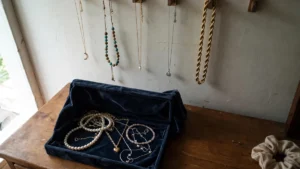
Keep pearls in a soft pouch, separate from other jewellery, never in a plastic bag, which traps moisture. Keep diamond necklaces in a lined box or pouch, fastened, so the chain does not tangle and the stones do not scratch. Diamonds can scratch almost anything, including other diamonds, so never jumble them together. A little care is worth more than any expensive cleaning product, and our guide to how to store diamond jewellery covers the simple routine that keeps both stones looking their best.
Checklist: choosing between pearls and diamonds honestly
Use these checks before you buy, and again when it arrives.
- Check the pearl lustre: a clear, mirror-like reflection, not chalky or dull.
- Check the diamond cut first, then colour and clarity, and ask for certification.
- Check the clasp, the knots on a pearl strand, and the settings on a diamond necklace.
- Be honest about care: if you will not wipe pearls after wearing, diamonds are easier.
- Match the necklace to the occasion and your wardrobe, not just to the price tag.
- Buy the best quality you can afford, and be wary of a “diamond” necklace with no certification or a “pearl” necklace with no lustre.
Frequently asked questions
Are pearls or diamonds better for a wedding?
Both are classic, but pearls are the traditional wedding choice, especially for daytime ceremonies, because their glow photographs beautifully. Diamonds suit evening weddings and add drama to a simpler dress. Many brides wear both.
Can I wear a pearl necklace every day?
You can, if you are gentle with it. Put it on last, after perfume and cosmetics, take it off first, wipe it after wearing, and restring it every year or two. If you want a necklace you never have to think about, a diamond pendant is easier.
Do diamonds always hold their value?
Certified diamonds hold value far better than pearls, but resale value depends on the stones and the setting. Small, poorly cut diamonds hold little value, so buy quality, not just carat weight.
How do I tell a good pearl from a poor one?
Look at the lustre first: a good pearl shows a sharp, bright reflection. Then check the surface for blemishes or peeling, and check that the pearls match in size, shape, and colour. A strand should be knotted between each pearl.
Can I wear pearls and diamonds together?
Yes, if the lengths differ so the pieces do not tangle or compete at the same point on the neck. A pearl strand with a diamond pendant at a different length is a classic combination: the pearls glow, the diamond sparkles.
Which is the better gift, pearls or diamonds?
It depends on the occasion. Pearls suit weddings, graduations, and milestones. Diamonds suit engagements, anniversaries, and major celebrations. The best gift matches the moment and the person, not just the price.
The bottom line
Pearl and diamond necklaces are both worth owning, but for different reasons. Pearls are the better choice if you want soft, flattering beauty at a fair price, and you will care for a delicate, living material. Diamonds are the better choice if you want brilliance, durability, and a piece that holds its value with almost no care.
Choose by your style, your budget, and how you live, not by which stone is fashionable this year. Check the lustre or the cut, buy the best quality you can afford, and your necklace will be the one you reach for.