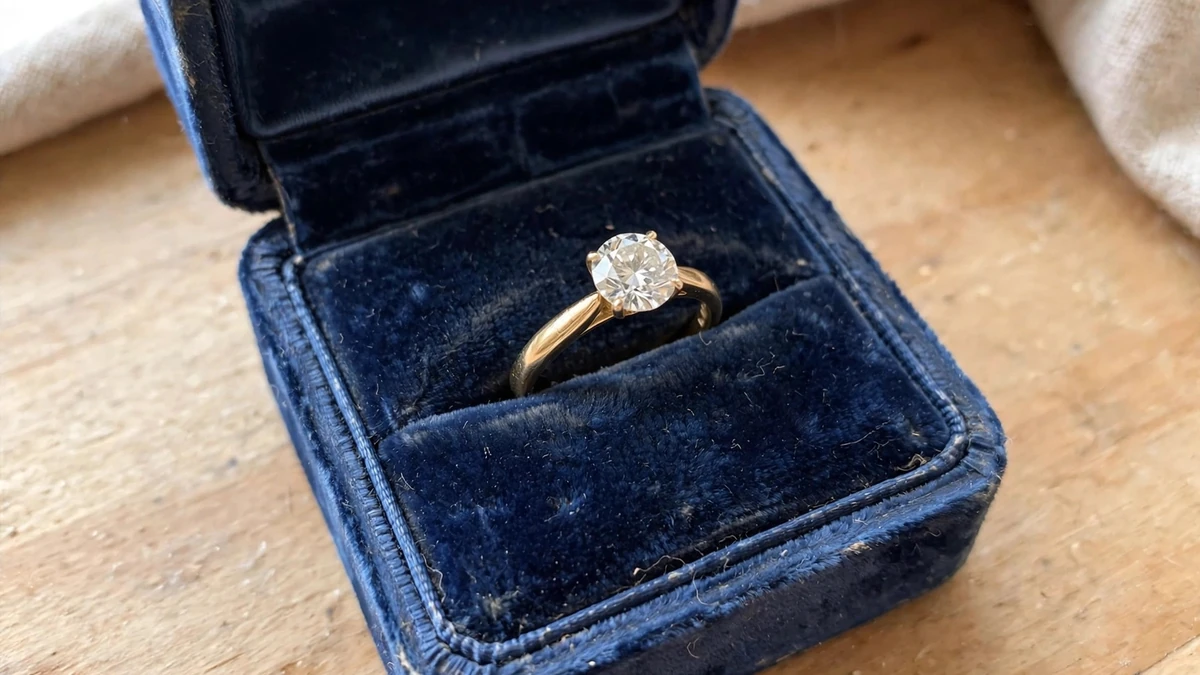

A lab-grown diamond is a real diamond. It is not a fake, not a simulant, and not a piece of glass dressed up to sparkle. It is carbon arranged in a crystal lattice, exactly like a diamond formed underground, with the same hardness, brilliance and chemical composition. The only difference is where it grew: in a laboratory over weeks, rather than in the earth over billions of years.
The reason they matter now is simple. A decade ago, lab-grown diamonds were a niche curiosity, mostly small stones in fashion jewellery. Today they are available in every size and quality used for engagement rings, and they typically cost far less than a mined diamond of the same size and grade. That has changed how people shop.
Below is a plain, complete guide to lab-grown diamonds in 2027: what they are, how they are made, how they are graded, what they cost, and what to check before you buy one.
Key takeaways
- A lab-grown diamond is a real diamond, chemically and physically identical to a mined diamond, grown in a laboratory instead of formed underground.
- There are two main methods, HPHT and CVD, and both produce genuine diamonds, though they can leave different trace characteristics.
- Lab-grown diamonds usually cost much less than mined diamonds of the same size and grade, and larger stones show the biggest savings.
- They are graded on the same 4Cs as mined diamonds, and should always come with a grading report from a recognised laboratory.
- No diamond is a reliable investment, and lab-grown stones in particular hold little resale value, so buy for wearing, not for selling later.
What a lab-grown diamond actually is
A diamond is carbon. When carbon atoms are squeezed under immense heat and pressure, they lock into a rigid crystal structure, and that structure is what makes a diamond hard, brilliant and durable. In nature, that process happens deep underground over billions of years. In a laboratory, the same process is recreated with machines, and the result is the same crystal. A lab-grown diamond is therefore not a copy of a diamond, it is a diamond grown by a different route.
That distinction matters because the jewellery world already has lookalikes. Cubic zirconia and moissanite are simulants: they imitate the look of a diamond but are made of different materials. A lab-grown diamond is not in that category: it has the same hardness, a 10 on the Mohs scale, the same refractive index, and the same response to a diamond tester. A jeweller cannot tell a lab-grown diamond from a mined one by looking at it, or even with a loupe.
The language around this has been messy. Lab-grown diamonds have been called synthetic, man-made, cultured and created diamonds, and some of those terms make them sound artificial or inferior. The trade now generally uses lab-grown or laboratory-grown, and reputable sellers must disclose clearly that a stone is lab-grown, because a buyer should know what they are paying for.
How lab-grown diamonds are made and what to look for
There are two main methods, and both start with a tiny diamond seed. In the HPHT method, high pressure high temperature, the seed is placed in carbon and squeezed under enormous pressure and heat, recreating the conditions deep in the earth. In the CVD method, chemical vapour deposition, the seed sits in a chamber filled with carbon-rich gas, and the carbon settles onto the seed layer by layer over weeks. Both methods produce genuine diamonds. What matters is the quality of the finished stone, not the method that grew it.
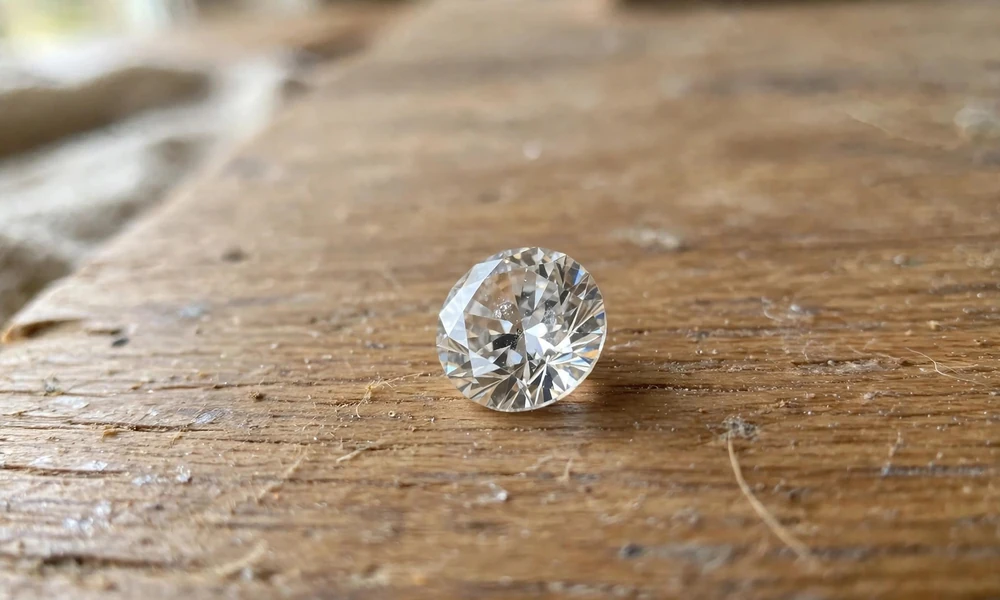
What to look for starts with the grading report. A lab-grown diamond should come with a report from a recognised laboratory, such as the GIA or IGI, stating that it is laboratory-grown and giving its cut, colour, clarity and carat weight. That report is your protection. Without it, you are relying on the seller’s word for the two things that most affect price, quality and identity. Many stones are also laser-inscribed on the girdle with the report number and the words lab-grown, so the stone can be matched to its paperwork.
Look next at the 4Cs, in the same way you would for any diamond. Cut affects sparkle more than any other factor, so a well-cut stone is worth paying for. Colour runs from D, colourless, down through the alphabet, and most buyers are happy in the near-colourless range. Clarity describes the tiny inclusions inside the stone, and a VS grade is usually clean to the eye. Carat is weight, not size alone. Our diamond buying guide explains the 4Cs in full, and the same rules apply whether the stone grew in the earth or in a laboratory.
The 9 key facts about lab-grown diamonds in 2027
What a lab-grown diamond really is
What we like: It is a real diamond, with the same hardness, brilliance and chemical composition as a mined diamond. What to consider: It is not a mined diamond, and it must be disclosed as lab-grown, which affects price and resale. Key facts: Pure carbon in a crystal lattice, hardness 10 on the Mohs scale. Best for: Anyone who wants a real diamond for wearing at a lower price. Cost: Typically far below a mined diamond of the same size and grade. Time needed: A few weeks to grow.
How HPHT diamonds are made
What we like: HPHT recreates the natural growing conditions most directly, and it has been used for decades, so the process is well understood. What to consider: HPHT stones can show a slightly different colour tint, and the method is energy intensive. Key facts: A diamond seed in carbon, under pressure of 5 to 6 gigapascals and temperatures above 1,300 degrees Celsius. Best for: Smaller to medium stones. Cost: Similar to CVD at retail, with price driven by grade. Time needed: Days to a few weeks per growth run.
How CVD diamonds are made
What we like: CVD grows diamonds layer by layer from a carbon-rich gas, which is well suited to larger stones. What to consider: CVD stones can show a brownish tint or strain patterns that need post-growth treatment. Key facts: A diamond seed in a chamber of carbon-rich gas at 800 to 1,200 degrees Celsius, and carbon deposits onto the seed. Best for: Larger stones, including multi-carat sizes. Cost: Similar to HPHT at retail, with grade driving the price. Time needed: Two to four weeks for a typical stone.
How to tell a lab-grown diamond from a mined one
What we like: The distinction can be made reliably by a grading laboratory. What to consider: You cannot tell by eye, with a loupe, or with a standard diamond tester, so a verbal assurance from a seller is not enough. Key facts: Laboratories look at growth patterns and trace elements under specialised equipment, and most lab-grown stones are laser-inscribed on the girdle. Best for: Anyone buying a stone represented as mined. Cost: A grading report is usually included in the price of a loose stone. Time needed: A few days for a laboratory report.
What a lab-grown diamond costs
What we like: The price difference is real and large, especially for bigger stones. What to consider: Prices have fallen as production has grown, so a stone bought today may be cheaper to replace tomorrow. Key facts: Lab-grown diamonds commonly sell for a fraction of the price of a mined diamond of the same size and grade. Best for: Buyers who want the most size and quality for their budget and do not expect to resell. Cost: A one-carat lab-grown stone can cost well under half the price of a comparable mined stone. Time needed: An afternoon of comparing graded stones is enough to see the price gap clearly.
How quality is graded
What we like: Lab-grown diamonds are graded on the same 4Cs as mined diamonds. What to consider: Grading standards can vary slightly between laboratories, so a report from a recognised laboratory matters more than a seller’s own grade. Key facts: Cut, colour, clarity and carat, with the GIA and IGI the most widely recognised laboratories. Best for: Every buyer, because the grade determines the price and the look. Cost: A better cut is worth paying for, because it affects sparkle most. Time needed: An hour to learn the 4Cs.
The ethics and environmental question
What we like: Lab-grown diamonds avoid the mining impacts and the conflict-diamond concerns associated with some mined stones. What to consider: Growing diamonds uses a great deal of energy, and the benefit depends on where that energy comes from, so a lab-grown stone is not automatically a green choice. Key facts: No mining is involved, but growing needs substantial electricity, and some producers now use renewable energy. Best for: Buyers who want to avoid mining and will ask where the stone was grown and how the energy was sourced. Cost: No price premium for a stone grown with renewable energy. Time needed: A few minutes to ask the seller about energy sourcing.
Durability and everyday wear
What we like: A lab-grown diamond is exactly as hard and durable as a mined diamond, so it can be worn every day and cleaned in the same way. What to consider: The stone is durable, but the setting is not, and prongs still need checking, just as with a mined stone. Key facts: Hardness 10 on the Mohs scale, resistant to scratching, suitable for daily wear. Best for: Engagement rings and everyday jewellery. Cost: No extra care costs, and cleaning is the same as for a mined diamond. Time needed: A few minutes a month for cleaning, and a yearly jeweller’s check.
Resale value and buying tips
What we like: The low purchase price means the financial risk is smaller, and a buyer can choose a stone they love without stretching their budget. What to consider: Resale value is low, often a small fraction of the purchase price, because production keeps growing and prices keep falling. Key facts: Most jewellers will buy back a lab-grown stone for far less than its purchase price, if at all, and second-hand demand is thin. Best for: Buyers buying a stone to wear and keep, not as an asset. Cost: Budget for the stone as a purchase, not an investment. Time needed: A day to compare graded stones from more than one seller.
Get a grading report, check that the inscription matches, compare the same grade across sellers, and prioritise cut over size. A guide to engagement rings is useful here, because the setting and the stone are best decided together.
Which lab-grown diamond is right for you
For an engagement ring, the most common choice is a round or oval stone of one to two carats, near-colourless with a VS clarity grade, which looks clean to the eye and keeps the price sensible. A well-cut stone matters more than a higher colour or clarity grade, so if you have to choose, choose the cut. For earrings and pendants, you can often go slightly lower on colour and clarity without anyone noticing, and put the saving into size.
For a buyer who wants the largest stone possible, lab-grown is the straightforward answer. For a buyer who wants a stone with a natural origin story, or who hopes to pass a valuable stone down, a mined diamond is the honest alternative, and the price difference is the cost of that story. There is no wrong answer, only a mismatch between what a buyer wants and what they actually bought. A comparison of diamond and moissanite engagement rings is worth reading if you are still weighing a simulant against a real diamond, because the price gap is real but the materials are not the same.
For a first purchase, keep it simple. Choose a shape you like, a cut grade you can trust, and a seller who provides a full grading report without being asked. Try the stone in the setting you will actually wear, look at it in daylight as well as in the shop lights, and take a day before deciding.
The caveats that matter
Lab-grown diamonds are well understood, but the market around them is still young. The first trap is disclosure. Some stones are sold without clear labelling, and a buyer who thinks they are buying a mined diamond may in fact be buying a lab-grown one at a mined price. The grading report is the only reliable protection, and it should be checked before money changes hands.
| Detail | What is known |
|---|---|
| What it is | A real diamond, pure carbon in a crystal lattice, grown in a laboratory |
| How it is made | HPHT, high pressure and high temperature, or CVD, chemical vapour deposition |
| How to tell it apart | Only a grading laboratory can tell reliably |
| How it is graded | The same 4Cs as mined diamonds, cut, colour, clarity and carat, with a GIA or IGI report |
| What it costs | Typically a fraction of a mined diamond of the same size and grade |
| Durability | Hardness 10 on the Mohs scale, as durable as a mined diamond, suitable for everyday wear |
| Ethics and environment | No mining, but growing uses substantial energy |
| What it does not do | It does not hold resale value well, and it is not an investment |
The second trap is price. Because lab-grown prices have fallen steadily, a stone bought at a high price a year ago may be worth much less today, and a seller who charges a mined-diamond price for a lab-grown stone is taking advantage of the confusion. Comparing graded stones across sellers is the simplest defence. The third trap is treatment. Some lab-grown stones are treated after growing to improve their colour, and that treatment should be disclosed on the report.
Checklist: buying a lab-grown diamond honestly
Use these checks before you buy, and keep the paperwork with the stone.
- Ask for a grading report from a recognised laboratory that says laboratory-grown.
- Check that the inscription on the stone’s girdle matches the report number.
- Compare the same grade across at least two sellers before deciding on price.
- Prioritise cut over size, because cut affects sparkle more than any other factor.
- Ask how the stone was grown and whether it was treated after growing, and check the answer is on the report.
- Buy for wearing, not for resale, and keep the report and receipt together.
Frequently asked questions
Is a lab-grown diamond a real diamond?
Yes. It is made of carbon arranged in the same crystal structure as a mined diamond, with the same hardness, brilliance and chemical composition. It is not a simulant such as cubic zirconia or moissanite.
Can anyone tell a lab-grown diamond from a mined one?
Not by eye. A jeweller cannot tell with a loupe, and a standard diamond tester will read a lab-grown diamond as a diamond, because it is one. Only a grading laboratory, using specialised equipment, can tell reliably.
Why are lab-grown diamonds so much cheaper?
Because supply is limited only by production capacity, while mined diamonds are limited by geology and extraction costs. The price gap grows with size, because large mined diamonds are rare.
Do lab-grown diamonds hold their value?
Poorly. Prices have fallen as production has grown, and resale demand is thin, so a lab-grown stone usually sells second-hand for a small fraction of its purchase price.
Are lab-grown diamonds better for the environment?
Partly. They avoid mining, which is a real benefit, but growing diamonds uses a great deal of energy, so the benefit depends on where that energy comes from. Some producers use renewable energy, and it is worth asking the seller about it.
Should I choose a lab-grown or a mined diamond for an engagement ring?
If you want the largest or best-graded stone for your budget, lab-grown is the practical choice. If you want a stone formed in the earth, a mined diamond is the honest alternative. Both are real diamonds.
The bottom line
A lab-grown diamond is a real diamond, grown in a laboratory rather than formed underground, and in 2027 it is the practical way to buy a large, well-graded stone without a mined-diamond price. The two growing methods, HPHT and CVD, both produce genuine diamonds, graded on the same 4Cs as mined stones. The price saving is real and the durability is the same.
Buy with the paperwork. Get a grading report from a recognised laboratory, check that the inscription matches, compare the same grade across sellers, and prioritise cut over size. And buy for wearing, not for resale, because a lab-grown diamond holds little value second-hand. Chosen that way, it is a straightforward, honest purchase.