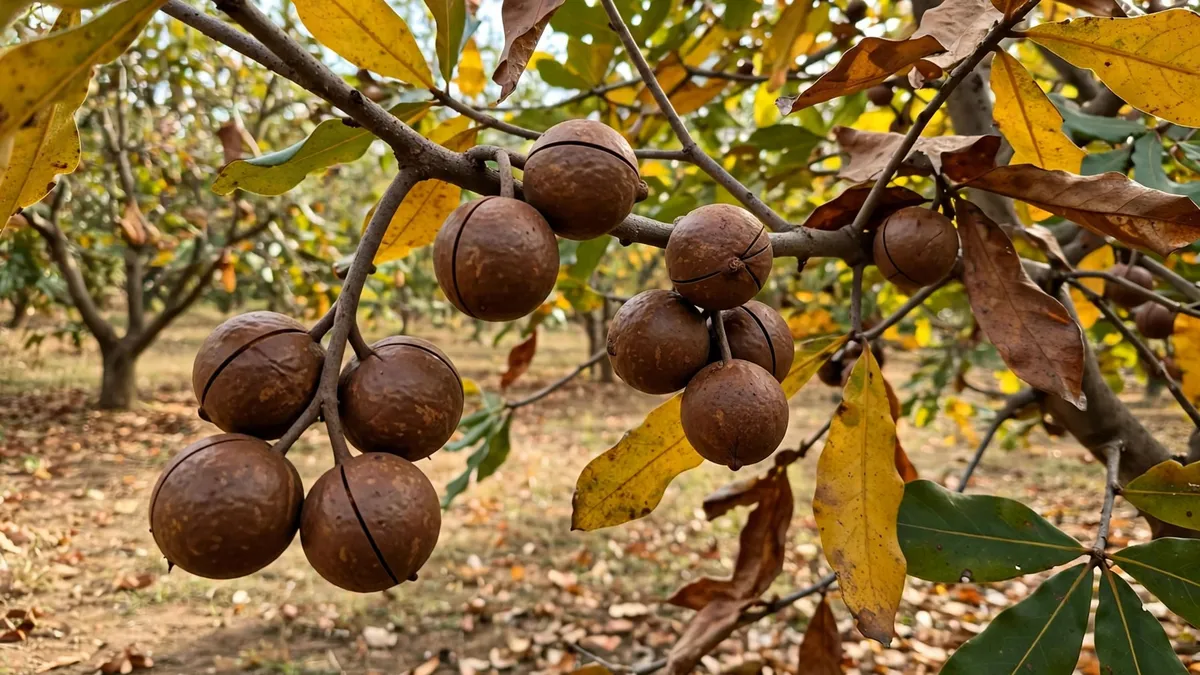

A macadamia farm retreat is a slower kind of luxury trip. You wake to orchard rows instead of traffic, walk between trees that have been producing nuts for decades, and eat the harvest within metres of where it fell.
Macadamia trees grow in warm, frost-free places with deep soil and steady rain, which is why the strongest farm stays cluster in Australia, Hawaii, South Africa, Brazil, Kenya, Guatemala, Portugal, New Zealand, and southern China. Each region grows the same nut differently. Australian orchards are the oldest and most established, Hawaiian farms sit on volcanic slopes, and Kenyan and Guatemalan groves sit at altitude, where cooler nights change how the nuts taste.
Below are nine macadamia farm retreats worth considering in 2027, from a coastal orchard in New South Wales to a highland grove in Yunnan. Each one is described by what it does well, what to watch for, and who it suits best, so you can choose a place that fits how you like to travel, not just a name on a map.
Key takeaways
- Macadamia farm retreats work best as two- to four-night stays, long enough to join a harvest walk, a cracking session, and a farm meal without rushing.
- Harvest timing matters more than the room: nuts fall at different times by hemisphere, so check the local season before you book flights.
- A working orchard is not a resort garden, so expect early starts, uneven ground, and weather that changes the day’s plan.
- Book the farm stay itself, not a hotel nearby, if you want the orchard walks, the tastings, and the growers’ table included.
- No farm stay guarantees a harvest on your dates, and prices shift with the season, so confirm what is included in writing before you pay a deposit.
What a macadamia farm retreat actually offers
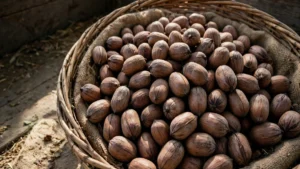
A macadamia farm retreat is a stay built around a producing orchard. The farm grows, harvests, and usually processes its own nuts, and guests sleep on the property or a short walk away. Days are organised around the orchard: a morning walk through the rows, a look at how nuts are husked and dried, a tasting of fresh kernels, and a meal that uses macadamia oil, roasted nuts, or macadamia flour in the kitchen.
The appeal is the pace. Orchards are quiet places. The trees are evergreen, the canopy is dense, and the work moves at the speed of the season rather than the speed of a schedule. A good retreat leans into that calm instead of filling the day with activities. You get a few well-run experiences, long stretches of free time, and a room that is comfortable enough to enjoy doing very little in.
The farm table is where the trip earns its price. Most retreats cook with their own oil and nuts, and the menu follows the season rather than a fixed list. If you eat a restricted diet, say so when you book, because a small farm kitchen orders its shopping days ahead and adapts far better with notice than on the night.
How we chose these retreats and what to look for
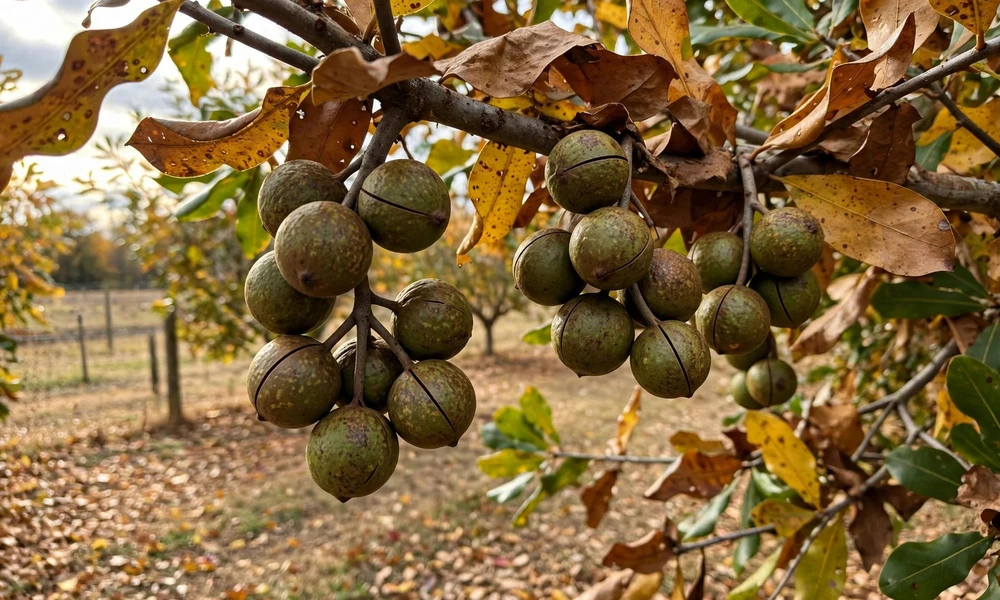
Look first at whether the farm is still a working orchard. A retreat attached to a producing farm will show you real harvest work, real drying sheds, and real kernels. A property that only uses the orchard as a backdrop may be beautiful, but it will not teach you much about how macadamias grow. Ask how many hectares are in production and whether guests can walk the rows during the stay.
Look next at the rooms and the food. Farm stays range from simple cottages with shared bathrooms to private suites with plunge pools, and the price range usually reflects that spread. Check whether meals are included, whether the kitchen cooks with the farm’s own oil and nuts, and whether dietary needs are handled without fuss. A farm table dinner is often the best meal of the trip, and it is worth confirming it runs on your dates.
Finally, look at the location honestly. Orchards sit in rural country, so transfers take time, public transport is thin, and a hire car is often the practical choice. Our guide to luxury pistachio farm retreats covers the same trade-off, because a remote orchard and a smooth arrival rarely come together without planning. Check the drive time from the nearest airport before you fall for the photos.
The 9 best luxury macadamia farm retreats of 2027
Byron Bay: Macadamia Country on the New South Wales Coast
What we like: Australia’s oldest macadamia region, with mature orchards, a well-run farm stay, and a coastal town fifteen minutes away for cafés and beaches. The harvest walks are thorough, the drying shed tour is genuinely interesting, and the farm table serves macadamia-crusted fish and roasted nut salads.
What to consider: Byron Bay is busy in summer, and prices rise sharply in December and January. Best For: First-time orchard visitors who want a working farm and a lively town nearby. Style: Coastal farmhouse with wide verandas and garden rooms. Price Range: $320–$560 per night. Standout Feature: A sunset cracking session on the farmhouse lawn, with fresh kernels and local sparkling wine.
The Big Island: Volcanic Slopes and Old Macadamia Groves in Hawaii
What we like: A farm set on dark volcanic soil, with groves planted decades ago, ocean views from the upper rows, and a tasting that runs through roasted, salted, and chocolate-coated kernels. The rooms are simple and clean, and the farm team is generous with their time.
What to consider: The island is large, so the drive from the airport takes over an hour, and the weather shifts quickly on the slopes. Best For: Travellers who want a farm stay inside a wider Hawaiian road trip. Style: Plantation-style cottages with open lanais and garden showers. Price Range: $380–$620 per night. Standout Feature: A morning walk through the oldest grove, where the trees are tall enough to shade the whole path.
Mpumalanga Lowveld: Orchard Days Beneath the Drakensberg in South Africa
What we like: A large working farm in the Lowveld, with wide orchard rows, a proper processing shed, and a lodge that serves game-viewing drives alongside farm tours. The macadamia oil pressing is done on site, and the kitchen uses it in almost every dish.
What to consider: The farm is remote, so a hire car is essential, and the summer heat makes midday walks uncomfortable. Best For: Travellers combining a farm stay with a safari or a Drakensberg drive. Style: Safari-lodge comfort with thatched roofs and a central pool. Price Range: $280–$520 per night. Standout Feature: An evening braai under the orchard trees, with macadamia oil basted over the grill.
São Paulo State: Coffee Country Macadamias in Southeast Brazil
What we like: A farm where macadamia trees grow alongside coffee, with a working mill, a shaded tasting room, and rooms in a restored farmhouse. The harvest season runs opposite to Australia’s, which makes it a good winter escape from the northern hemisphere.
What to consider: English is limited outside the main towns, so a Portuguese-speaking guide or a phrasebook helps. Best For: Food-focused travellers who want coffee and macadamia in a single stay. Style: Restored colonial farmhouse with tiled floors and a long dining table. Price Range: $240–$470 per night. Standout Feature: A combined coffee and macadamia tasting, poured side by side in the farm’s old mill.
Nyeri Highlands: High-Altitude Groves in Central Kenya
What we like: A small farm on the slopes of Mount Kenya, with cool mornings, red soil, and a growers’ cooperative that sells nuts directly to visitors. The stay includes a walk with a local farmer, a look at the cooperative’s drying beds, and a home-cooked meal in the farmhouse.
What to consider: The farm is small and the rooms are simple, so this is a stay for travellers who value the people over the polish. Best For: Travellers who want to meet the growers and buy nuts at the farm gate. Style: Simple highland farmhouse with a garden and a wood-fired kitchen. Price Range: $260–$490 per night. Standout Feature: A sunrise walk through the grove with the farmer who planted it, followed by breakfast in the farmhouse.
Antigua Valley: Macadamias Between Volcanoes in Guatemala
What we like: A farm in the Antigua valley, with macadamia trees planted between coffee rows, volcano views from the terrace, and a chocolate-making session that uses macadamia butter. The town of Antigua is a short drive away, with markets and colonial streets to explore.
What to consider: The altitude is high, so the air is thin and the evenings are cool, even when the days are warm. Best For: Travellers pairing a farm stay with a few days in Antigua town. Style: Colonial courtyard stay with a garden terrace and a wood-fired oven. Price Range: $300–$540 per night. Standout Feature: A macadamia butter and chocolate workshop in the farm’s own kitchen, using nuts cracked that morning.
The Algarve: Macadamia Orchards Near the Portuguese Coast
What we like: A newer orchard in the Algarve hills, with young trees, a modern farmhouse, and a pool that looks over the groves toward the sea. The farm runs small-group walks, a macadamia oil tasting, and a dinner cooked with local fish and the farm’s own nuts.
What to consider: The orchard is young, so the trees are smaller and the harvest is modest compared with older farms. Best For: Travellers who want a European farm stay with a beach an easy drive away. Style: Whitewashed modern farmhouse with a pool and shaded terraces. Price Range: $340–$580 per night. Standout Feature: A poolside tasting of the farm’s first-press macadamia oil, served with warm bread and sea salt.
Northland: Subtropical Groves at the Top of New Zealand
What we like: A farm in New Zealand’s far north, with subtropical gardens, a sheltered orchard, and a stay built around slow mornings and long lunches. The farm makes its own macadamia butter and sells it at a small roadside stall, and guests get first pick of each batch.
What to consider: Northland is a long drive from Auckland, and the weather can turn quickly, so plan a flexible itinerary. Best For: Slow travellers who want a quiet orchard stay at the edge of the country. Style: Garden lodge with native planting and a big shared kitchen. Price Range: $360–$600 per night. Standout Feature: A butter-making morning in the farm kitchen, where you grind the batch you take home.
Yunnan Province: Terraced Macadamia Groves in Southern China
What we like: A farm on terraced hills in southern Yunnan, with macadamia trees planted alongside tea, a village guesthouse, and a cook who uses macadamia oil in Yunnan dishes. The terraces are beautiful at dawn, and the farm team walks guests through the rows each morning.
What to consider: The farm is rural and the language barrier is real, so a local guide is worth arranging in advance. Best For: Adventurous travellers who want a farm stay far from the usual routes. Style: Village guesthouse with timber rooms and a shared courtyard. Price Range: $400–$650 per night. Standout Feature: A dawn walk along the terraces, with tea and roasted macadamias served at the top of the hill.
Which macadamia farm retreat is right for you
Start with the season. The southern hemisphere harvest runs roughly from March to September, while northern hemisphere farms harvest later in the year, so the same month can mean a busy harvest in Australia and a quiet orchard in Portugal.
Next, decide how much farm work you want. A gentler stay suits those who want the orchard as a setting, with guided walks and tastings rather than labour. Our guide to luxury hazelnut farm retreats makes the same distinction, because the gap between watching and doing is the biggest difference between farm stays.
The caveats that matter
Macadamia farm retreats are working farms, and working farms are not always comfortable. Harvest machinery is loud, the ground is uneven, and rain can cancel an outdoor activity at short notice.
| Detail | What is known |
|---|---|
| Best season, southern hemisphere | March to September, with harvest activity peaking mid-season |
| Best season, northern hemisphere | September to December, depending on altitude and variety |
| Ideal stay length | Two to four nights, enough for walks, tastings, and a farm meal |
| What to pack | Closed shoes, a sun hat, a light rain jacket, and layers for cool mornings |
| Getting there | Most farms need a hire car; transfers are rare and should be booked ahead |
| Food | Farm tables cook with macadamia oil and nuts; confirm dietary needs in advance |
| Allergies | Tree nut allergies are a real risk on a macadamia farm; tell the farm before arrival |
| What it does not do | It does not guarantee a harvest on your dates, or a resort-style schedule |
Allergies deserve a direct mention. A macadamia farm is full of tree nuts, nut dust, and macadamia oil, so anyone with a tree nut allergy should tell the farm before booking and ask whether a stay is safe at all. Some farms can manage it with careful cleaning, but others will advise against visiting, and that advice should be followed. A luxury cherry farm retreat is a safer orchard alternative if nuts are a problem, because the allergy risk is far lower.
Checklist: choosing a macadamia farm retreat honestly
Use these checks before you book, and again before you travel.
- Check the harvest season: confirm the farm’s harvest dates match your trip, not just the general region.
- Check what is included: orchard walks, tastings, and farm meals should be listed, not assumed.
- Check the drive: confirm the time from the nearest airport and whether a hire car is needed.
- Check the rooms: ask about heating, cooling, and hot water, especially in older farmhouses.
- Check allergies: tell the farm about any tree nut allergy before you pay a deposit.
- Check the cancellation terms: farm stays often have stricter terms than hotels, so read them before booking.
Frequently asked questions
When is the best time to visit a macadamia farm?
It depends on the hemisphere. Southern hemisphere farms harvest roughly from March to September, while northern hemisphere farms harvest later in the year. If you want to see nuts falling and being collected, book inside the farm’s harvest window and confirm the dates with the farm directly.
Do I need a car to reach a macadamia farm retreat?
Usually, yes. Most orchards sit in rural country with little public transport, and farm transfers are uncommon. A hire car gives you the freedom to arrive on your own schedule and explore the surrounding area between farm activities.
Are macadamia farm retreats suitable for children?
Many are, especially farms with animals, open space, and simple activities like nut cracking. Check the farm’s age guidance first, because harvest machinery, uneven ground, and long walks are not suited to very young children.
Can I buy macadamias at the farm?
Almost always. Most farms sell roasted kernels, macadamia oil, and macadamia butter at the farm gate, often at better prices than shops. Ask about export rules before buying in bulk, because some countries restrict bringing nuts home.
What should I wear on a farm walk?
Closed shoes with grip, a sun hat, and layers you can remove as the day warms up. Orchards are shaded but the ground is uneven, and mornings can be cool even in warm regions. A light rain jacket is worth packing in most seasons.
Is a macadamia farm retreat worth the price?
It is if you value the setting and the food as much as the room. Farm stays bundle orchard access, tastings, and farm meals into the price, so compare the total experience with a hotel plus separate tours before deciding. A short stay of two nights is a good way to test whether the format suits you.
The bottom line
The best macadamia farm retreat in 2027 is the one that matches your season, your appetite for farm work, and your tolerance for rural travel.
Book inside the harvest window, confirm what is included in writing, and give the trip at least two nights. That is the honest way to enjoy a macadamia farm retreat, without expecting a resort schedule from a working farm.