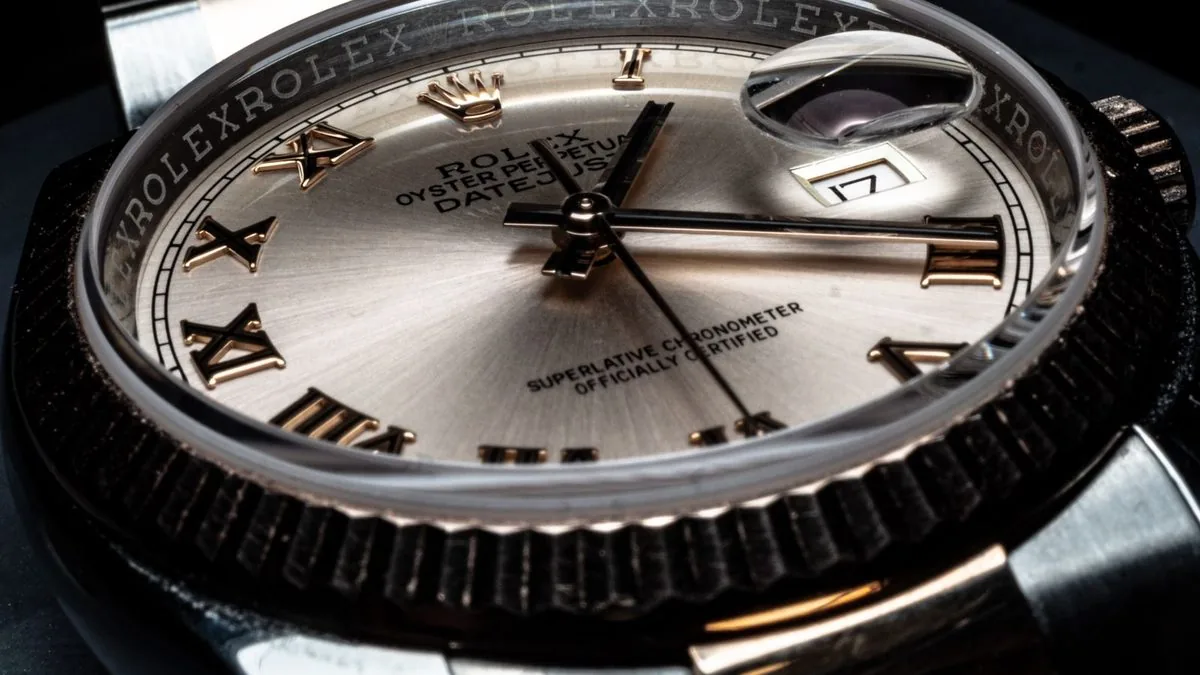

A vintage luxury watch is the rare purchase that can be worn every day and still feel like an occasion. Unlike a new watch, which loses value the moment it leaves the boutique, a well-chosen vintage piece has already done its depreciating. What you are buying is a small piece of design history, a movement built before cost-cutting became the norm, and a dial that has aged in a way no factory can reproduce.
The catch is that the vintage market rewards knowledge and punishes impulse. The same model can be a sound buy or a costly mistake depending on whether the dial is original and the parts all belong to the same watch. A polished case, a replaced dial, or a swapped movement can quietly erase much of what you paid for, and none of it is obvious to an untrained eye.
This guide ranks the vintage luxury watches that make the most sense to buy in 2027, judged on wearability, serviceability, design, and how forgiving each one is for a first-time buyer. These are watches you can actually find through reputable dealers, not one-of-one record-breakers. No prices are quoted here, because vintage values move with condition and provenance.
Key takeaways
- Buy the condition, not the model name: an honest, original example of a modest reference beats a polished example of a famous one.
- Rolex, Omega, and Cartier dominate this list because their parts and service networks make ownership far less stressful than rarer marques.
- Always ask for service history, clear photographs of the movement, and a written returns policy before paying.
- A vintage watch is a wear-and-enjoy purchase first; treat any future value as a bonus, never as a guarantee.
- What is not confirmed here: no future prices, investment returns, or auction results are promised for any watch on this list.
What counts as a vintage watch, and what to check first
Dealers generally use vintage to mean a watch at least twenty to thirty years old. That usually means a case between 34 and 40 millimetres, an acrylic crystal, and a dial showing its age: a gentle fade or warm patina on the markers. Those signs are part of the appeal, provided they happened naturally.
The single most important check is originality. A vintage watch is worth what it is because its dial, hands, case, bracelet, and movement left the factory together. A repainted dial, known as a redial, can cut value sharply, even when it looks cleaner than the original. Over-polishing is the other quiet killer: it rounds off the case edges and thins the lugs, and once metal is gone it cannot be put back.
Before buying, ask for the watch to be opened and photographed, or buy from a dealer who has already done so. The movement should match the reference and the serial number should sit in the right range. If a seller cannot provide these, that is your answer. Our broader roundup of the best luxury watches of 2027 is a useful companion for comparing these vintage picks with what the same brands sell new today.
How we chose these seven watches
Every watch below passed the same four tests: can you wear it every day, can a good watchmaker service it, does the design still look current, and is there enough documented knowledge to verify it?

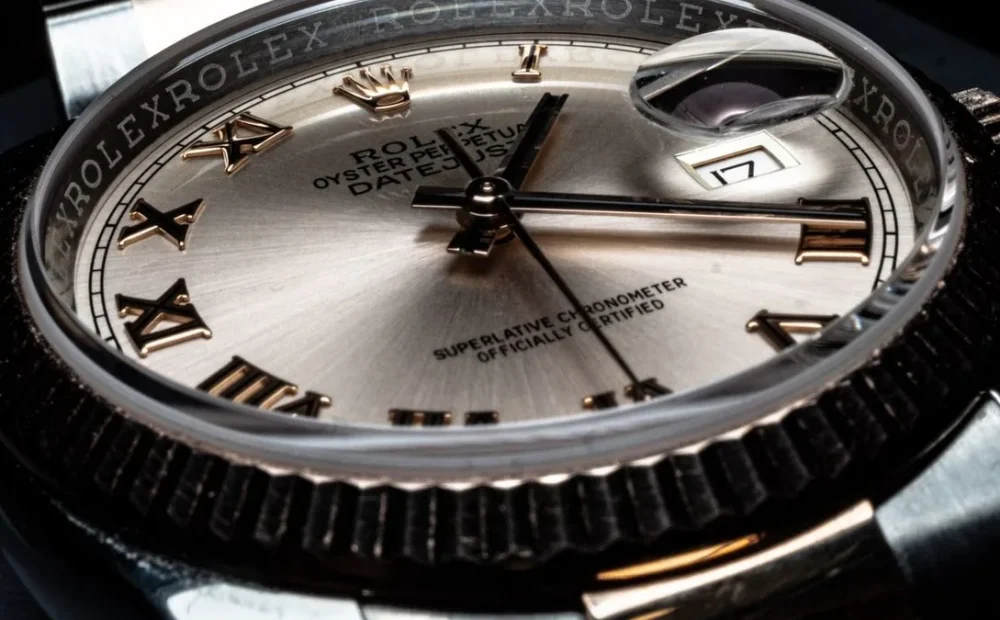
1. Rolex Datejust 1601 and 1603
Why it ranks first: The Datejust is the most versatile vintage watch ever made, and the 1960s and 1970s 1601 and 1603 references are the sweet spot. The 1601 has a white-gold fluted bezel and the 1603 a steel engine-turned bezel; both share the same 36-millimetre case and calibre 1570 family. It dresses up with a suit, yet looks just as right with jeans.
What we like: Enormous parts availability and a design barely changed in sixty years. What to consider: Check the dial has not been refinished and the bracelet is not stretched beyond repair.
2. Omega Speedmaster Professional 145.022
Why it ranks second: The Speedmaster is the only watch here with a claim to history that needs no exaggeration: the manually wound 145.022 descends from the watch worn on the Moon. Later 1970s and 1980s examples are the most approachable.
What we like: A robust calibre 861 movement and a case that wears smaller than its 42 millimetres. What to consider: Dial and hand originality matters enormously, and chronograph servicing costs more than a three-hand watch.
3. Rolex GMT-Master 1675
Why it ranks third: The 1675 is the vintage travel watch, made from the late 1950s through 1980, with its two-tone Pepsi bezel and a second hour hand tracking another time zone. It made the GMT complication a style statement, and it remains one of the most recognisable watches ever made.
What we like: A genuinely useful complication and a bezel that has become an icon. What to consider: Faded bezels are prized but also faked, and replacement inserts are common, so verify the bezel against reference photographs.
4. Cartier Tank Must and Tank Louis
Why it ranks fourth: The Tank is the dress watch against which all others are measured, and the vintage Tank Must and Tank Louis Cartier models offer that rectangular case and Roman-numeral dial at the most accessible point in the market. It is the pick for buyers who want elegance first.
What we like: A design that has not aged since 1917 and a slim profile that slides under any cuff. What to consider: Check the case corners for wear, confirm the crown is original, and remember servicing is specialist work.
5. Omega Seamaster 300 165.024
Why it ranks fifth: The 1960s Seamaster 300 is the vintage dive watch for people who find the equivalent Rolex too obvious. The 165.024 has a clean black dial, large luminous markers, and a 41-millimetre case, yet it flies under the radar.
What we like: Honest tool-watch proportions that work on leather or bracelet. What to consider: Do not assume a sixty-year-old dive watch is still waterproof; have the seals checked and pressure-tested.
6. Patek Philippe Calatrava 96 and 5196
Why it ranks sixth: The Calatrava is the purest expression of the dress watch, and the vintage reference 96 and its descendant the 5196 show why the design has survived since the 1930s. This is the connoisseur’s pick: small, restrained, and hand-finished.
What we like: Beautifully finished manual movements and a brand whose archives can confirm a watch’s origins. What to consider: Patek servicing is the most expensive on this list, and small cases suit fewer wrists, so try one on first.
7. Jaeger-LeCoultre Reverso
Why it ranks seventh: The Reverso is the only watch here with a party trick: its rectangular case flips over in its cradle, a feature invented for polo players in the 1930s. Vintage examples from the 1980s and 1990s revival offer the design at a fraction of the earliest pieces’ cost.
What we like: A genuinely original design with a slim profile. What to consider: The flipping mechanism needs checking for wear, and the case is a specialist service job.
The background: why vintage watches hold their appeal
Vintage watches endure because they were made when a watch was expected to last a lifetime and be repaired rather than replaced. Movements were designed to be taken apart, cleaned, and reassembled by hand. That repairability is why a fifty-year-old watch can still run accurately today.
The market has also matured. Twenty years ago, buying vintage meant trusting a single dealer’s word; today, brand archives and collector forums let a buyer verify a serial number, a dial variant, and a production date before paying. That transparency has made originality more valuable, because fakes are easier to spot.
None of that makes a vintage watch a financial product. Values rise and fall with fashion, and a model popular this year can cool the next. The watches here are chosen to be enjoyed, and any buyer who treats them as an investment should read our guide to buying your first luxury watch first, where the buying process and the questions to put to a dealer are set out in full.
The caveats that matter
| Watch | What is known |
|---|---|
| Rolex Datejust 1601 / 1603 | Most serviceable pick; check for refinished dials and stretched bracelets. |
| Omega Speedmaster 145.022 | Chronograph servicing costs more; verify dial and hand originality. |
| Rolex GMT-Master 1675 | Bezel inserts are often replaced; verify against reference photos. |
| Cartier Tank Must / Louis | Slim cases wear at the corners; servicing is specialist work. |
| Omega Seamaster 300 165.024 | Do not assume water resistance survives; have seals tested. |
| Patek Philippe Calatrava 96 / 5196 | Highest servicing costs here; small cases suit fewer wrists. |
| Jaeger-LeCoultre Reverso | Flipping mechanism needs inspection for wear. |
| Every vintage watch | No value is guaranteed; condition and provenance decide worth. |
Checklist: before you buy any vintage watch
- Ask for clear photographs of the dial, case back, movement, and serial number, and compare them with published references.
- Confirm a recent service, or budget for one immediately after purchase.
- Check that the dial, hands, bezel, and bracelet are original, and ask directly about replaced parts.
- Buy from a dealer with a written returns policy, and keep every receipt and service record.
- Have the watch checked by an independent watchmaker within the return window.
- Insure the watch from the day it arrives, and store it dry, away from magnets and shocks.
Frequently asked questions
Is a vintage luxury watch a good first luxury watch?
It can be, provided you buy condition and originality rather than a famous name. A Datejust or a Speedmaster from a reputable dealer is a forgiving first vintage purchase, while a rare or heavily faked reference is a poor place to start. If you are new to the category, our overview of the best luxury watch brands explains how the makers on this list compare.
How do I know a vintage watch is authentic?
Check the serial number against the brand’s production records, compare the dial and hands with published references, and have the movement inspected by an independent watchmaker. No single check is enough on its own.
Should I buy a vintage watch that has been polished?
Light, careful polishing is common and acceptable, but heavy polishing that rounds the case edges or thins the lugs reduces value and cannot be undone. Ask the seller directly whether the case has been polished, and examine close-up photographs of the lugs first.
How often does a vintage watch need servicing?
Most mechanical vintage watches benefit from a service every four to six years. If the seller cannot prove a recent service, assume one is due and include its cost in your budget.
Can I wear a vintage watch every day?
Yes, if it has been serviced and its water resistance checked. Daily wear is what these watches were made for, but avoid swimming with a vintage piece unless it has been pressure-tested recently.
What is the difference between this guide and a record-sale list?
A record-sale list covers one-of-one watches that sold for millions at auction, often because of a famous owner. This guide covers watches a buyer can realistically find and wear in 2027, judged on condition, serviceability, and everyday appeal.
The bottom line
The best vintage luxury watch to buy in 2027 is the one you will actually wear: for most buyers that means a Datejust or a Speedmaster in honest, original condition, bought from a seller who will stand behind it. The ranking above is a starting point, and the right answer depends on your wrist, your wardrobe, and how much upkeep you will take on.
Take your time, verify everything, and remember that the watch you enjoy for decades is worth more than the watch you bought in a hurry. A patient buyer who checks the dial, the movement, and the paperwork ends up with a better watch than a hurried buyer chasing a bargain.
Note: This guide is for general information only and is not investment advice. Vintage watch values depend on condition, originality, and provenance, and can fall as well as rise. Always verify a watch with an independent watchmaker before buying.
Meet our experts
Our fashion and luxury editors research each guide from brand records, published references, and dealer listings.
Why trust BrassSmile
We rank watches on wearability, serviceability, and verifiable originality, not on hype or auction headlines.
Sources
Brand archives and published references for Rolex, Omega, Cartier, Patek Philippe, and Jaeger-LeCoultre.