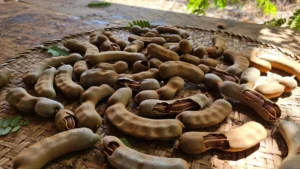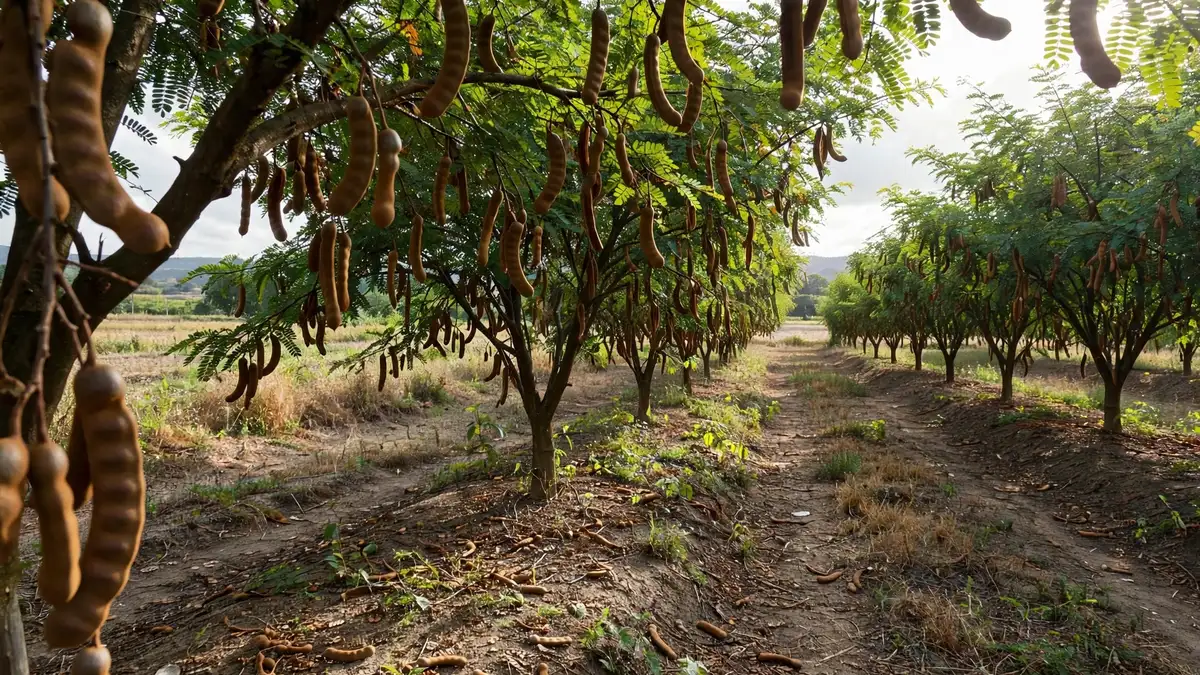

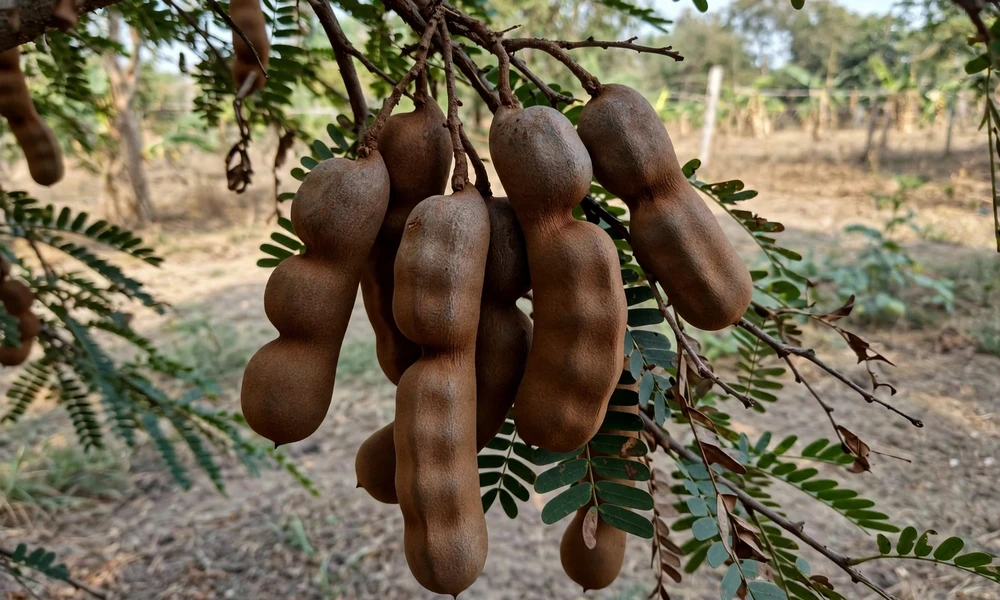
Tamarind is the quiet workhorse of the tropical pantry. Its pods hang from wide, feathery trees for months, turning from green to a brittle brown shell, and inside sits a sticky pulp that is sour, sweet and faintly smoky. Cooks in India fold it into rasam and sambar, Thai kitchens stir it into pad thai and sour soups, and Balinese households press it into drinks and glazes. Yet almost nobody travels to see where it grows.
That is what a tamarind farm retreat fixes. These are working orchards where the trees are decades old, the pods are picked by hand, and the farm kitchen cooks with the harvest the same day it comes down. Guests sleep in farmhouses on the edge of the grove, walk the rows at dawn, and learn how a pod goes from the branch to the pot. The best stays keep groups small and let the farm set the pace.
This guide gathers nine luxury tamarind farm retreats for 2027, from the dry orchards of Kutch to the terraced hills of Ubud. Every stay below offers real farm access, honest pricing and a kitchen that treats tamarind as a main ingredient. Prices run from $65 to $380 a night, and each entry notes what the stay does well and where it falls short.
Key takeaways
- Tamarind pods ripen once a year, roughly January to April in India and December to March in Thailand, so the harvest window decides the trip more than flights.
- The best retreats let guests join the picking and the pulp work, not just watch it from a veranda.
- Room rates run from $65–$95 a night at the simplest farmhouse to $345–$380 at the top Bali lodge.
- Tamarind pulp is naturally gluten-free, but farm kitchens also serve wheat breads and fried snacks, so guests with coeliac disease should put the allergy in writing before arrival.
- Pods picked green never sweeten, so a farm that rushes the harvest is a warning sign, not a bargain.
What a tamarind farm retreat actually is
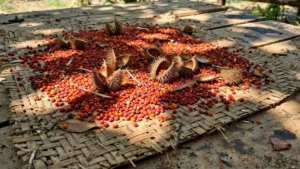
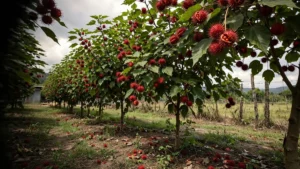
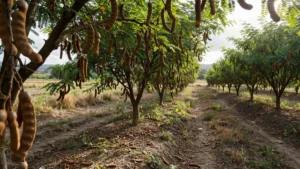
A tamarind farm retreat is a stay on a working orchard, usually a family farm where the trees were planted by a grandparent and the harvest is still done with poles and baskets. The trees are enormous — a mature tamarind can shade a whole courtyard — and the orchard feels more like a woodland than a field. Guests stay in rooms on the property, eat meals cooked from the farm’s own produce, and spend their days walking the grove, picking pods and pressing pulp.
The season matters more here than at most farm stays. Pods hang green through the monsoon and only turn brown and brittle in the dry months. Arrive too early and the pods are sharp and unripe; arrive at the right moment and the branches are heavy with fruit that snaps cleanly off the stem. The farms in this list all name their harvest weeks in advance and will tell you honestly whether your dates line up with the picking.
What separates a real retreat from a resort with a few trees is access. At a genuine farm stay you walk into the grove with the picking crew, sit in the drying yard, and watch the pulp being pressed and packed. At a resort you get a tamarind drink at check-in and a photo of a tree. Every stay below offers the first kind of access, though the depth varies, and the entries say so plainly.
How we picked these stays, and what to ask first
We looked for farms that grow tamarind as a main crop, keep guest numbers low, and cook at least one full meal a day around the harvest. We also favoured stays that publish their harvest calendar and answer allergy questions in writing before booking. Stays that would not name their picking weeks or that charged for a farm tour on top of the room rate did not make the list.
Before you book, ask three things. First, which weeks the pods are picked, and whether guests may join the crew. Second, whether the kitchen can cook a full gluten-free menu, since tamarind dishes often sit beside wheat breads and fried snacks. Third, what the room rate covers — some farms include all meals and picking sessions, while others price them separately. The answers tell you more than any review can. Coconut plantation retreats follow the same pattern of working-farm stays, and the questions that matter there are the same ones to ask here.
The 9 best luxury tamarind farm retreats of 2027
Kutch, Gujarat, India — Tamarind on the Edge of the Rann
The orchard sits on dry, stony ground near the edge of the Rann, where the tamarind trees are the tallest things for miles. The farmhouse kitchen cooks Kutchi food with tamarind in nearly every sour dish.
What We Like: The driest picking conditions on this list, and a kitchen that treats tamarind as a staple. What to Consider: Fierce midday heat, and the nearest town is a long drive over rough roads. Best For: Travellers who want a stark, quiet landscape and early-morning farm work. Style: Rustic farmhouse with a shaded courtyard. Price Range: $65–$95 a night, meals included. Standout Feature: A drying yard where pods cure in the desert sun.
Chittoor, Andhra Pradesh, India — Tamarind Among the Mango Groves
Chittoor grows tamarind alongside mango, and the two harvests overlap in the dry months, so the farm is busy from dawn to dusk. The stay is a low, tiled house at the orchard’s edge, with rooms opening onto a garden of banana and curry leaf.
What We Like: Two harvests at once, so the days feel full, and a genuinely skilled cook. What to Consider: A simple house with small rooms, cooled by fans rather than air conditioning. Best For: Food lovers who want to cook with the harvest the same day. Style: Tiled farmhouse with a garden kitchen. Price Range: $95–$125 a night, meals included. Standout Feature: An afternoon pulp-pressing session with the farm cook.
Salem, Tamil Nadu, India — Tamarind in the Foothill Orchards
Salem sits at the foot of the Shevaroy Hills, where the tamarind orchard climbs a gentle slope behind the farmhouse. Guests walk the rows with the pickers, then sit under the biggest tree for lunch: rice, sambar and tamarind chutney made that morning.
What We Like: A beautiful hillside setting and a farm run on its own compost and cattle. What to Consider: The slope is hard walking for guests with bad knees. Best For: Walkers who like a hillside orchard and a slow lunch under the trees. Style: Hillside farmhouse with a cattle yard. Price Range: $120–$150 a night, meals included. Standout Feature: Lunch served under the oldest tamarind tree on the farm.
Chhatarpur, Madhya Pradesh, India — Tamarind Near the Old Temples
Chhatarpur is temple country, and the farm lies a short drive from the Khajuraho group, pairing orchard days with morning temple visits. The kitchen cooks Bundelkhand food, with tamarind in the lentils and chutneys.
What We Like: Farm work and temple sightseeing in one trip. What to Consider: The dense, shady grove dries pods more slowly than open sun. Best For: Travellers who want culture and farm life in the same stay. Style: Sandstone farmhouse near temple country. Price Range: $145–$175 a night, meals included. Standout Feature: Morning temple visits paired with afternoon picking.
Ratnagiri, Maharashtra, India — Tamarind on the Konkan Coast
Ratnagiri is mango country first and tamarind second, but the coastal orchard grows both, and the sea air gives the pods a sharper tang. The kitchen cooks Konkan food — fish curries soured with tamarind, rice and coconut — and the farm runs a boat trip to the coast on request.
What We Like: Coastal air, sea views nearby, and tamarind in the fish curries. What to Consider: A lingering monsoon can push the harvest back a week or two. Best For: Seafood lovers who want a coastal farm stay. Style: Laterite house above a coastal grove. Price Range: $170–$205 a night, meals included. Standout Feature: A fish curry soured with the farm’s own tamarind.
Phetchabun, Thailand — Tamarind in the Mountain Valleys
Phetchabun is famous across Thailand for sweet tamarind, and the farm grows the makham wan variety Thai markets prize. Guests pick pods in the cool morning, then learn to peel and press them in the afternoon shade.
What We Like: The sweetest tamarind on this list, in a cool mountain valley. What to Consider: A remote valley, with a steep road in places. Best For: Sweet-tamarind fans and guests who prefer mountain air. Style: Wooden stilt house with a wide veranda. Price Range: $200–$235 a night, meals included. Standout Feature: Sweet makham wan tamarind, peeled and pressed by hand.
Lopburi, Thailand — Tamarind Below the Sunflower Fields
Lopburi is flat, hot and wide, with tamarind trees in long, straight rows running to the horizon. The farm is a working operation first and a guesthouse second: picking starts at dawn, the drying yard stays busy, and the meals are plain, generous central Thai food with tamarind in the sour soups.
What We Like: A serious working farm with no pretence, and generous central Thai cooking. What to Consider: Flat ground and strong sun, with little shade in the rows. Best For: Guests who want a no-frills working farm rather than a polished lodge. Style: Plain working farmhouse on the central plain. Price Range: $230–$265 a night, meals included. Standout Feature: Long straight rows of tamarind running to the horizon.
Chiang Rai, Thailand — Tamarind on the Terraced Hillsides
Chiang Rai sits near the Myanmar border, and the farm grows tamarind on terraced hillsides above a river valley. The kitchen cooks northern Thai food, and the farm runs a morning market trip where guests buy herbs and vegetables for the day’s cooking.
What We Like: Terraced hillsides, river-valley views, and a morning market trip built in. What to Consider: Steep hills, and a market trip that starts very early. Best For: Early risers who like markets and hillside views. Style: Timber and stone lodge above a river valley. Price Range: $265–$300 a night, meals included. Standout Feature: A morning market trip that stocks the day’s kitchen.
Ubud, Bali, Indonesia — Tamarind Beside the Paddy Fields
Ubud is the most polished stay on this list, a small luxury lodge among rice terraces with a tamarind grove along the terrace edges. The kitchen — run by a Balinese chef — cooks tamarind into sambals, drinks and desserts, and guests get a guided picking session with the head gardener.
What We Like: The most comfortable rooms on this list, and a chef who treats tamarind seriously. What to Consider: The priciest stay here by far, with a smaller grove than the Indian orchards. Best For: Travellers who want luxury comfort with real farm access. Style: Private villas among the rice terraces. Price Range: $345–$380 a night, meals included. Standout Feature: A Balinese chef cooking tamarind across sambals, drinks and desserts.
Which tamarind region fits your trip
If this is your first tamarind trip, start in India. The orchards are older, the picking culture deeper, and the kitchens have cooked with tamarind for generations. Kutch suits travellers who like stark landscapes and early mornings, while Salem and Chittoor suit food lovers who want to cook with the harvest that day. Chhatarpur is the pick if you also want temples, and Ratnagiri if you want the sea nearby.
Thailand suits a second trip, or a first trip for travellers who prefer sweet tamarind and cooler mountain air. Phetchabun grows the sweetest pods on this list, and the valley is gentler than the Indian plains. Lopburi is the most honest working farm of the Thai three, while Chiang Rai adds terraced hills and a morning market that makes the stay feel like a small adventure. Cardamom farm retreats offer a similar shade-grown, small-farm feel for travellers who want to compare two spice orchards on one journey.
Bali suits travellers who want comfort first and farm work second. The Ubud lodge is the only stay here with a spa and private villas, and the smaller grove means shorter, more guided picking sessions. It suits a honeymoon or a restful end to a longer India trip, but not guests who want whole days in the rows.
The caveats that matter
Tamarind is a forgiving fruit, but a farm trip still has sharp edges. Pods picked green stay sour and never sweeten, so a farm that starts before the shells turn brown is cutting corners. The trees are tall and the branches brittle, so climbing is for the crew, not guests. And the pulp is sticky and acidic, so the kitchen’s habit of serving it in small, balanced dishes is a sign of care.
| Detail | What is known |
|---|---|
| Best harvest window | January to April in India, December to March in Thailand |
| Pod ripeness test | Shell turns brown and brittle, and the pulp pulls cleanly from the seed |
| Gluten status | Tamarind pulp is naturally gluten-free, but farm kitchens serve wheat breads too |
| Guest picking | Allowed at all nine stays, with poles and baskets provided by the crew |
| Climbing | Not allowed for guests; branches are brittle and the trees are tall |
| Acidity | Pulp is strongly acidic, so it is served in small amounts in balanced dishes |
| Monsoon risk | Wet pods mould quickly, so a rainy harvest week can cut the picking short |
| What to bring home | Sun-dried pulp blocks and tamarind paste, bought at the farm shop |
Checklist: booking a tamarind farm stay honestly
- Ask the farm to name its picking weeks in writing before you pay.
- Put any wheat or gluten allergy in the first message, and ask what the kitchen will cook.
- Check whether meals and picking sessions are included in the room rate.
- Pack closed shoes, a hat and long sleeves for the rows, plus a light rain layer.
- Carry cash for the farm shop; most orchards do not take cards.
- Leave a free morning for the local market, where tamarind paste is cheapest.
Frequently asked questions
When do tamarind pods ripen?
Pods ripen in the dry season, roughly January to April in India and December to March in Thailand. The shell turns brown and brittle, and the pulp inside darkens and sweetens. A farm that picks while the shells are still green is harvesting too early.
Can guests pick pods alongside the farm crews?
Yes, at all nine stays on this list. Guests use poles to shake the pods down and baskets to gather them, and the crew shows newcomers how to tell a ripe pod from a green one. Climbing is not allowed, since the branches are brittle.
Is tamarind safe for gluten-free guests?
The pulp itself is naturally gluten-free. The risk comes from the kitchen, where wheat breads, fried snacks and soy sauce share the same table. Tell the farm about the allergy before arrival and ask for a written menu plan.
What does ripe tamarind taste like?
Ripe pulp is sour at first, then sweet, with a faint smoky note that deepens as it dries. Green pods are sharp and astringent. Sweet Phetchabun pods taste almost like dates; Indian pods stay tarter.
How long should a tamarind farm stay last?
Three nights is the sweet spot: one day to settle in and walk the grove, one to pick and press pulp with the crew, and one for the market and kitchen. Shorter stays feel rushed, and longer ones repeat the same work.
What should I carry home from a tamarind farm?
Sun-dried pulp blocks and tamarind paste from the farm shop. Both keep for months in a cool cupboard and are the closest thing to the fresh harvest you can carry home. Avoid loose pods, which dry unevenly in luggage. Cinnamon farm retreats are a good second stop for travellers building a spice pantry from farm visits.
The bottom line
Tamarind rewards the traveller who plans around the harvest rather than the flight board. Pick the right weeks, choose a farm that lets you into the grove rather than keeping you on the veranda, and tell the kitchen about your allergies before you arrive. The pods do the rest — sour, sweet and smoky, straight off the tree.
If you only book one stay from this list, make it the one whose harvest weeks match your dates, not the one with the prettiest photos. A simple farmhouse in Kutch during picking week gives you more than a luxury villa in Ubud outside it. The tree sets the calendar, and the best trips follow it.