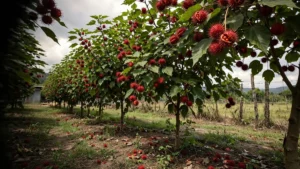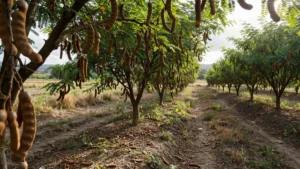

A tamarind farm escape is a working holiday built around a single tree. The tamarind is a giant of the tropical orchard, with a broad crown, feathery leaves and pods that hang for months before they ripen. When the shells turn brown and brittle, the picking begins, and for a few weeks the whole farm revolves around the harvest: poles, baskets, drying mats and a kitchen that cooks with the pulp in nearly every meal.
Planning one takes more care than booking a beach hotel, because the tree sets the calendar. The pods ripen once a year, the harvest window is short, and a farm that is quiet in the green season turns busy and welcoming in the dry months. Get the timing right and you will spend your days in the grove with the crew; get it wrong and you will be looking at green pods from a veranda.
This guide walks through the nine steps that make a tamarind farm escape work, from tasting the fruit at home to bringing pulp blocks back in your luggage. It covers India, Thailand and Bali, the seasons that matter, the questions to ask before paying, and the small mistakes that turn a good trip into a frustrating one.
Key takeaways
- The harvest window is short: January to April in India, December to March in Thailand, so dates matter more than destinations.
- Guests can join the picking at genuine farm stays, but climbing the trees is never allowed.
- Tamarind pulp is naturally gluten-free, yet farm kitchens serve wheat breads beside it, so the allergy must go in the first message.
- Three nights is the right length: one day to settle in, one to pick and press, one for the market and the kitchen.
- Loose pods dry unevenly in luggage, so buy pulp blocks or paste at the farm shop instead.
What a tamarind farm escape involves
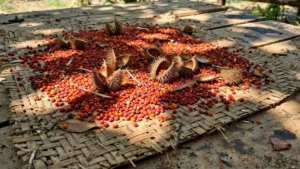
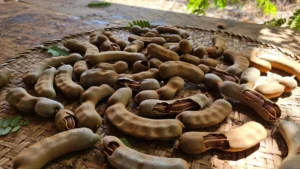
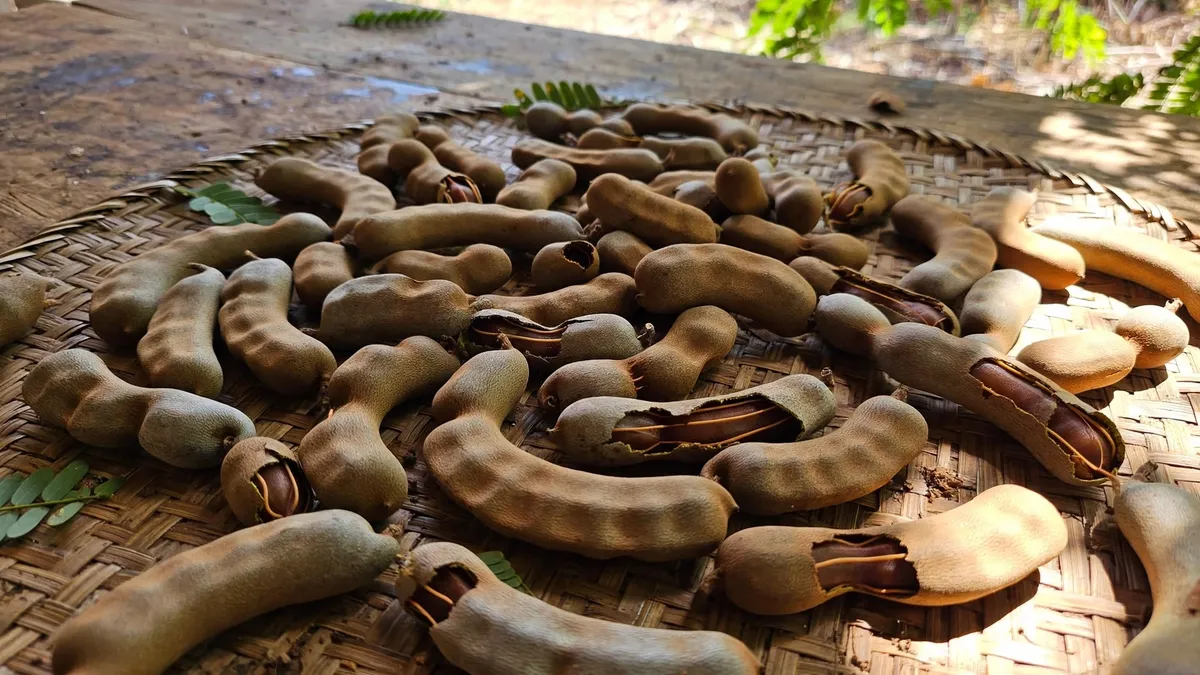
An escape starts at dawn, when the picking crew heads into the grove with poles and baskets. Guests who rise early can follow, learn to spot a ripe pod by its brown, brittle shell, and gather the fruit that shakes loose. By mid-morning the pods are in the drying yard, spread on woven mats in the sun, and the kitchen is already cooking lunch with yesterday’s pulp.
The afternoons are slower. There is usually a pulp-pressing session, where the sticky flesh is pulled from the seeds and packed into blocks, and a cooking lesson built around the day’s harvest. Evenings are for eating: rice, lentils, chutneys and sour soups, all seasoned with tamarind from the same trees you walked under that morning. Coconut plantation escapes run on the same rhythm of dawn work and slow afternoons, and the packing list is much the same.
The work is gentle but real. You will be on your feet in the heat, carrying baskets and sorting pods by hand. Nobody expects a guest to keep pace with the crew, and the farms on this list are used to visitors who tire by noon. The point is not to work hard; it is to understand where the sour-sweet pulp in your curry actually comes from.
How to plan it, and what to ask first
Start with the harvest, not the flight. Write to two or three farms and ask them to name their picking weeks for the year you plan to travel. A farm that answers with dates is a farm worth booking; a farm that answers with a brochure is not. Once you have dates, build the rest of the trip around them — flights, rooms and market days all follow the pods.
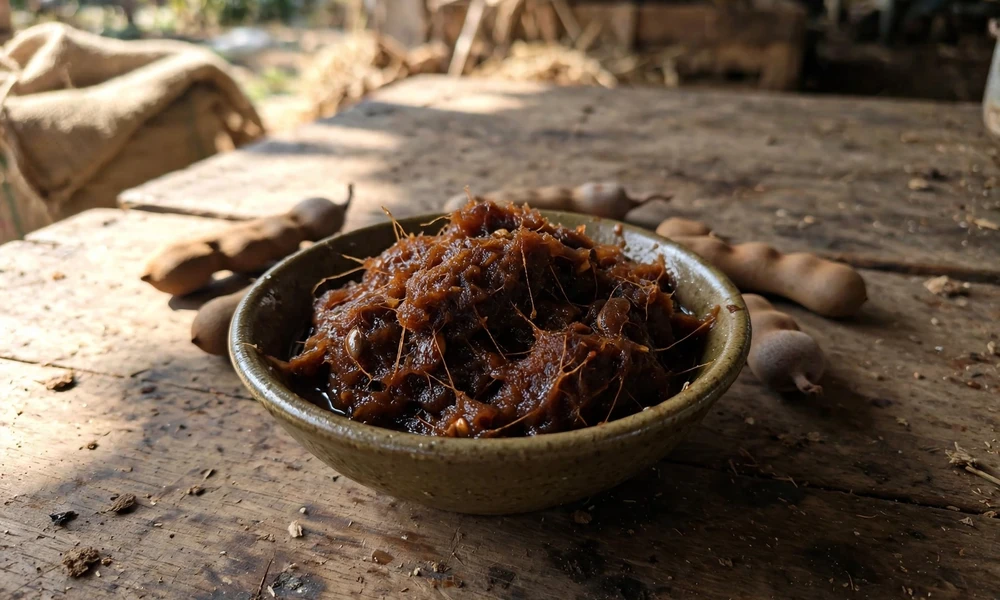
Then ask about the kitchen. Tamarind pulp is naturally gluten-free, but the breads and fried snacks served beside it are not, so guests with coeliac disease need a written menu plan before arrival. Ask too whether meals and picking sessions are included in the room rate, since some farms charge for them separately. A short, honest exchange of messages before booking will save a week of frustration later.
The 9 steps to plan a tamarind farm escape
Get to know tamarind in your own kitchen first
Before you book anything, cook with tamarind for a week. Make a rasam, stir tamarind into a Thai sour soup, or simply dissolve a spoon of paste in hot water with a little sugar. You will learn the sour-sweet balance that defines the fruit, and you will arrive at the farm knowing what the pods are for rather than guessing. What to Do: Buy pulp blocks or paste from a grocer and cook three different dishes. What to Avoid: Judging the fruit from a single sweetened drink, which hides the sourness. Best For: First-time visitors who have never cooked with tamarind. Time Needed: A week of evening cooking. Standout Tip: Taste the pulp plain once, so you know what the farm is actually harvesting.
Go when the branches are heavy, not when tickets are cheap
Cheap flights are tempting, but they mean nothing if the pods are still green. The harvest runs from January to April in India and December to March in Thailand, and the exact weeks shift with the rains. Ask each farm for its picking dates, then book flights that land a day before the picking starts. What to Do: Get picking weeks in writing from two farms before booking flights. What to Avoid: Booking a non-refundable flight before the farm confirms its dates. Best For: Travellers with flexible schedules. Time Needed: Two weeks of messages before booking. Standout Tip: Aim for the middle of the picking window, when the pods are at their sweetest.
Pick a region by its cooking, not its photographs
Every region cooks tamarind differently: Tamil Nadu leans sour and spicy, Thailand leans sweet and sharp, Bali leans smoky and rich. The photos all look similar — trees, sun, baskets — but the food does not. Choose the region whose cooking you actually want to eat for three days straight. What to Do: Read a few recipes from each region before choosing. What to Avoid: Picking a stay for its villa photos when its kitchen is an afterthought. Best For: Food lovers who care more about lunch than the room. Time Needed: An evening of reading and tasting. Standout Tip: If you love sour food, choose India; if you love sweet-sour, choose Thailand.
Find out if guests pick before you book
Some farms welcome guests into the grove with the crew; others keep visitors on the veranda and call it a farm experience. The difference is everything. Ask plainly whether guests can pick pods, use the poles, and sit in the drying yard, and ask what time the crew starts. What to Do: Ask for the picking start time and whether guests may join. What to Avoid: Paying a deposit before the farm answers the picking question. Best For: Guests who want real farm work rather than a photo stop. Time Needed: One message, answered before booking. Standout Tip: A farm that names its crew start time is a farm that means it.
A ripe shell cracks under a thumb
A ripe tamarind pod has a brown, brittle shell that cracks under a thumb, and pulp that pulls cleanly away from the seed. A green pod has a smooth, pale shell and flesh that clings and stings the tongue. The crew will show you on your first morning, but learning the signs in advance means you pick well from the start. What to Do: Watch a short video of tamarind picking and study the shell colour. What to Avoid: Pulling down green pods, which never sweeten off the tree. Best For: Guests who want to be useful rather than decorative. Time Needed: Half an hour of reading before the trip. Standout Tip: Squeeze the shell gently; a ripe one gives with a dry crack.
Write the allergy into your opening note to the farm
Tamarind pulp is naturally gluten-free, but the table it sits on is not. Farm kitchens serve wheat breads, fried snacks and soy sauce alongside the tamarind dishes, and cross-contact is common in a small rural kitchen. Tell the farm about the allergy in your very first message, and ask for a written plan of what you will eat. What to Do: State the allergy plainly and ask for a written menu. What to Avoid: Mentioning it only at check-in, when the kitchen has already cooked. Best For: Coeliac guests and anyone with a wheat allergy. Time Needed: Ten minutes to write the first message. Standout Tip: Ask the farm to cook your rice and lentils in a separate pot.
Cover up against sun, thorns and dust
The grove is hot, dusty and uneven underfoot, and the mornings are long. Closed shoes protect against thorns and fallen pods, long sleeves guard against the sun, and a hat matters more than any other single item. A light rain layer earns its place in the hills, where afternoon showers arrive without warning. What to Do: Pack closed shoes, a wide hat, long sleeves and a rain layer. What to Avoid: Sandals in the rows, where thorns and dry pods litter the ground. Best For: Anyone spending full mornings outdoors. Time Needed: An evening of packing the night before. Standout Tip: Bring a small cloth bag for pods you pick yourself.
Let the cook show you the morning stalls
The best cooking lesson on a tamarind farm is not in the kitchen but at the market, where the cook buys herbs, vegetables and spices for the day’s meals. Go along, watch what gets chosen, and ask why. You will learn more about the region’s food in two hours at the stalls than in a week of restaurant meals. What to Do: Ask the cook if you may join the morning market run. What to Avoid: Sleeping through the market trip, which usually starts before seven. Best For: Curious cooks and early risers. Time Needed: One early morning. Standout Tip: Buy tamarind paste at the market, where it costs half the farm-shop price.
Buy pulp blocks at the farm shop, not loose pods at the airport
Loose pods look charming in a basket, but they dry unevenly in luggage and often mould before you get home. Pulp blocks and paste, pressed and packed at the farm, keep for months in a cool cupboard and taste far closer to the fresh harvest. Buy them at the farm shop on your last morning, not at the airport on the way out. What to Do: Buy sealed pulp blocks or paste at the farm shop. What to Avoid: Loose pods in a suitcase, which sweat and spoil. Best For: Travellers who want the harvest to last. Time Needed: Fifteen minutes on the last morning. Standout Tip: Wrap the blocks in cloth, not plastic, so they breathe on the flight home.
Picking the right season and region
The season decides the trip. In India the pods ripen from January to April, with the south ripening first and the central plains a few weeks later. In Thailand the window runs from December to March, with the north ripening slightly later than the plateau. Bali ripens on its own schedule, roughly February to April, but the grove there is smaller and the picking is shorter.
For a first escape, southern India in February is the safest bet: the weather is dry, the pods are ripe, and the kitchens are at their busiest. Thailand in January suits travellers who prefer sweet tamarind and cooler mountain air, while Bali in March suits those who want comfort and a shorter picking season. Cardamom farm escapes follow a similar seasonal logic, with shade-grown harvests that reward travellers who plan around the picking weeks.
Whichever region you choose, build in a buffer day. A rainy week can push the harvest back by several days, and a farm that picks late is not a farm that has failed — it is a farm that waits for the pods. Arrive a day early and leave a day late, and the harvest will usually meet you in the middle.
The caveats that matter
Tamarind is a forgiving fruit, but the trip still has edges worth knowing. The trees are tall and the branches are brittle, so climbing is for the crew alone. The pulp is strongly acidic, and eating large amounts raw can bother teeth and stomachs, which is why the kitchen serves it in small, balanced dishes. Wet pods mould fast, so a rainy harvest week can cut the picking short and leave the drying yard empty.
| Detail | What is known |
|---|---|
| Best harvest window | January to April in India, December to March in Thailand |
| Pod ripeness test | Shell turns brown and brittle, pulp pulls cleanly from the seed |
| Gluten status | Pulp is naturally gluten-free, but wheat breads share the table |
| Guest picking | Allowed with poles and baskets, crew shows newcomers the ripe signs |
| Climbing | Not allowed for guests; branches are brittle and trees are tall |
| Acidity | Pulp is strongly acidic, served in small amounts in balanced dishes |
| Rain risk | Wet pods mould quickly and can shorten the picking week |
| What to bring home | Sealed pulp blocks and paste from the farm shop, wrapped in cloth |
Checklist: before you book a tamarind farm escape
- Get the farm’s picking weeks in writing before you book flights.
- State any wheat or gluten allergy in the first message and ask for a written menu.
- Confirm whether meals and picking sessions are included in the room rate.
- Book three nights: one to settle in, one to pick and press, one for the market.
- Pack closed shoes, a hat, long sleeves and a light rain layer.
- Carry cash for the farm shop and the town market.
Frequently asked questions
In which months do tamarind pods ripen?
The dry season brings the pods on, from about January to April across India and December to March across Thailand. As they ripen, the shells dry to a brown husk and the flesh inside turns darker and sweeter. Pods picked while the shell is still green stay sour and never improve.
May visitors join the harvest work in the grove?
Yes, at genuine farm stays. Guests use poles to shake pods down and baskets to gather them, and the crew shows newcomers how to tell ripe pods from green ones. Climbing is not allowed, since the branches are brittle and the trees are tall.
Can tamarind farms feed gluten-free guests?
The pulp is naturally gluten-free, but the kitchen serves wheat breads and fried snacks beside it, so cross-contact is the real risk. Tell the farm before arrival and ask for a written menu plan with your rice and lentils cooked in a separate pot.
How do I recognise a ripe tamarind pod?
Look for a brown, brittle shell that cracks under a gentle squeeze, with pulp that pulls cleanly away from the seed. Green pods have smooth, pale shells and flesh that clings and tastes sharply astringent.
Which region suits a first tamarind trip?
Southern India in February is the safest first trip: dry weather, ripe pods, and kitchens that have cooked with tamarind for generations. Thailand in January suits travellers who prefer sweet tamarind and mountain air.
What is worth carrying home from a tamarind farm?
Sealed pulp blocks and tamarind paste from the farm shop, wrapped in cloth so they breathe on the flight. Both keep for months in a cool cupboard. Avoid loose pods, which sweat and spoil in luggage. Cinnamon farm escapes make a good second trip for travellers building a spice pantry from farm visits.
The bottom line
A tamarind farm escape works when the calendar, the kitchen and the grove all line up. Get the picking weeks in writing, tell the farm about your allergies before you pay, and pack for long mornings in the rows. The tree does the rest, and the pulp you press yourself will taste better than anything you can buy at home.
Three nights is enough, and more is rarely better. One day to walk the grove, one day to pick and press with the crew, and one morning at the market with the cook. Leave with pulp blocks in your bag and the sour-sweet taste still on your tongue, and the trip will have done its job.