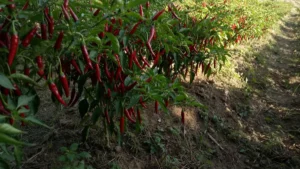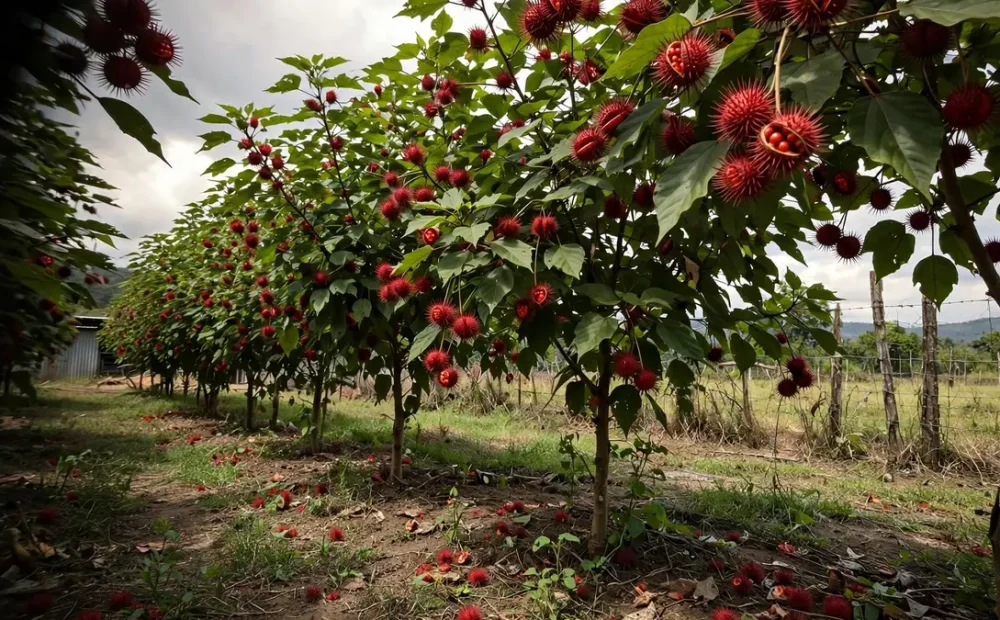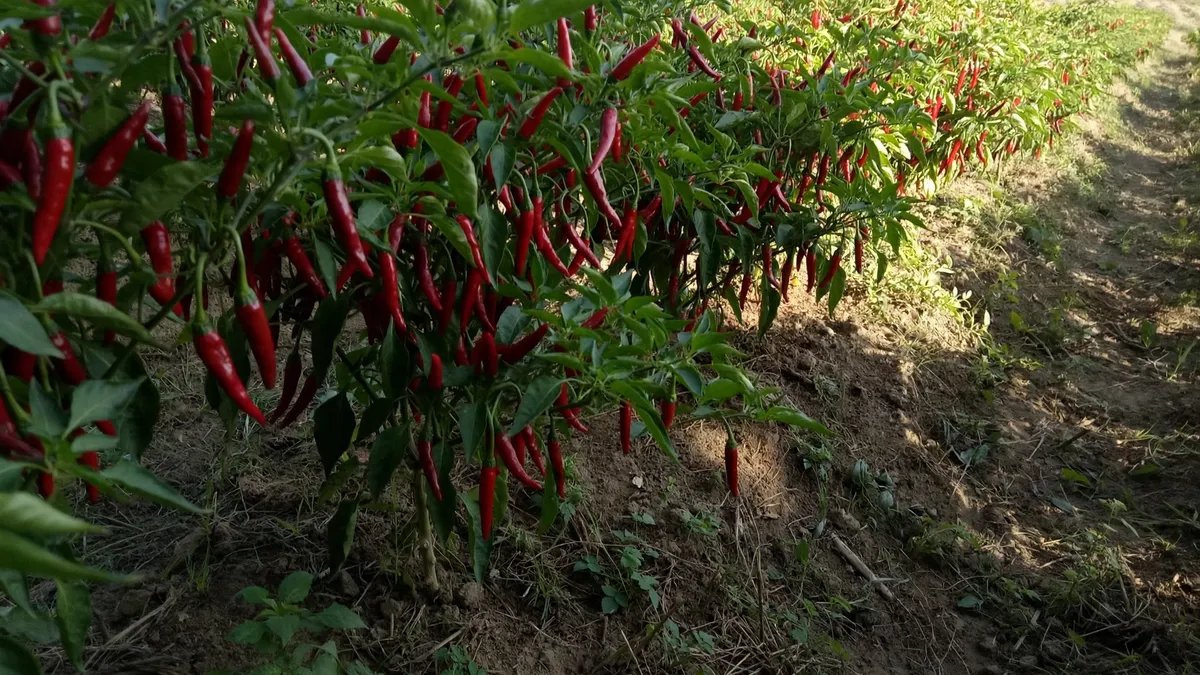

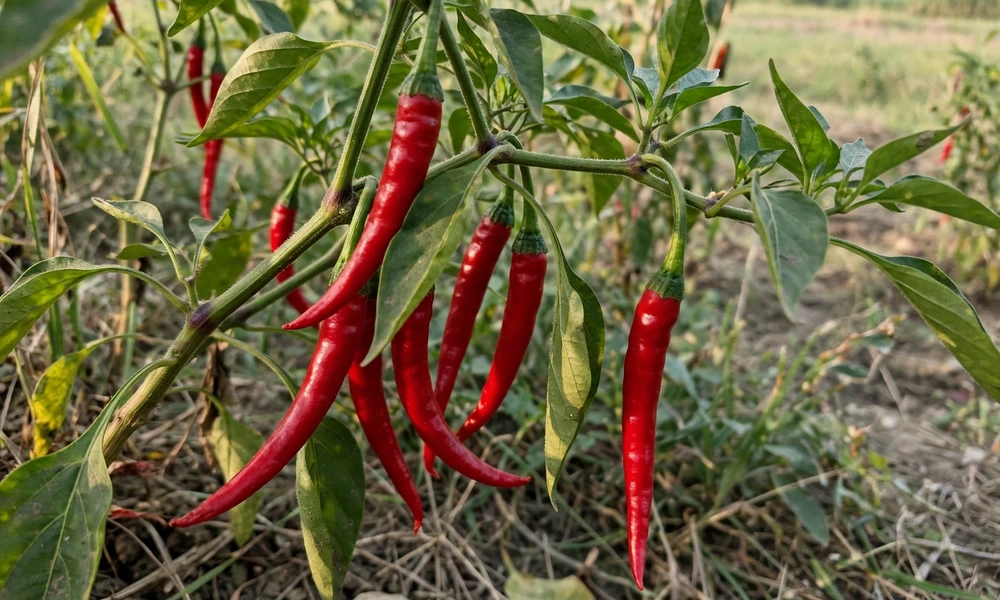
A chili pepper is a fruit that bites back. It grows on a low bushy plant, its pods hanging green at first and ripening to red, orange or yellow, and the heat inside comes from capsaicin, a compound the plant makes to keep hungry animals away. The same plant family gives the mild poblano and the fierce habanero, so one row can hold a gentle warmth and the next a heat that makes your eyes water.
A chili pepper farm retreat is a few nights on a working chili farm in the picking weeks, when the bushes are heavy and the drying yards are full. You sleep in a farmhouse room, eat chilies folded into sauces, stews and grills, walk the rows while the pods are still warm from the sun, and watch the harvest dried, smoked or strung into ristras for the kitchen.
Here are nine chili pepper farm retreats to weigh for 2027, from the cheapest Oaxaca stay to the dearest Kashmir farm, covering mild poblanos and fiery habaneros from the same plant family, so the decision turns on the heat you can handle rather than the place on the map.
Key takeaways
- Chili peppers are the fruit of Capsicum plants, picked green or left to ripen red, with heat that runs from mild to very hot on the Scoville scale.
- Mexico and Peru are the classic chili homelands, and the farms there grow their own local varieties, from poblano to ají amarillo.
- The harvest window is brief, and the farm sets its picking week rather than a month, so secure the week before you book the flights.
- Chili farms run small, with a handful of rooms and meals shared at one table, so expect plain comfort and soil on your shoes.
- Chilies carry no gluten, but the bread and tortillas served beside them are usually wheat or corn, so settle the kitchen and the calendar before you pay.
What a chili pepper farm retreat actually is
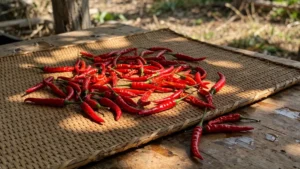
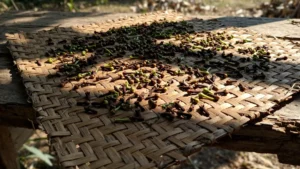
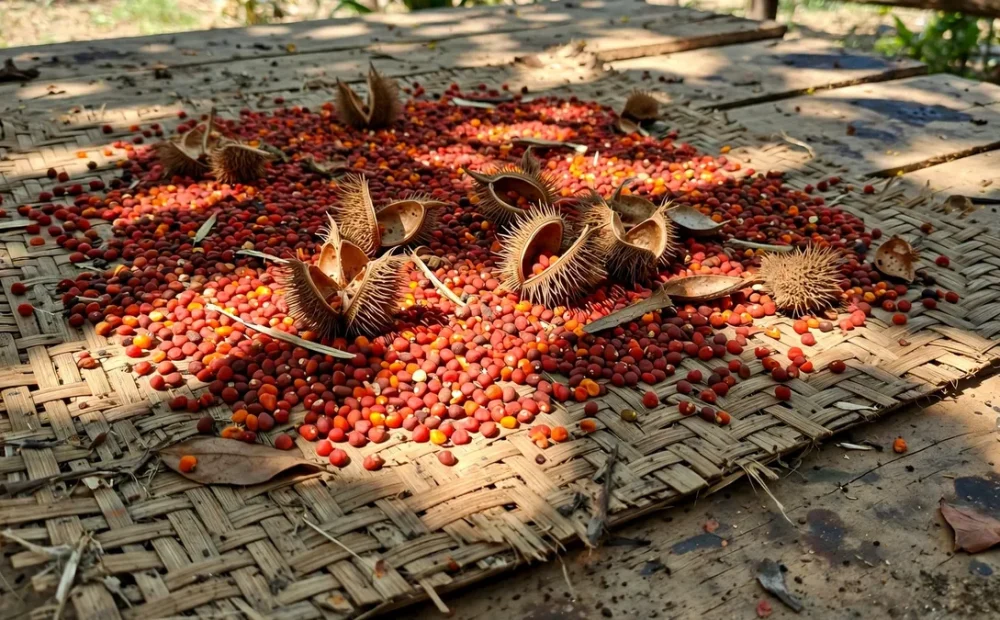
A chili pepper farm retreat means three to five nights on a working farm that grows chilies, with the picking weeks as the reason for the trip. Guests sleep in a farmhouse room or a converted barn, eat what the farm kitchen cooks, and join the harvest, walking the rows to see the pods cut down, the baskets filled by hand, and the chilies spread on mats to dry in the sun.
Chilies have been grown for thousands of years, and the great chili regions took shape around the dishes they served. Oaxaca ground its chilies into mole, Puebla stuffed its poblanos, Yucatán pickled its habaneros, Peru stirred its ají into stews, and New Mexico roasted its green chile over open fire. The crop needs heat, sun and dry air at harvest, so the farms sit in warm valleys and high dry plains, where the soil stays lean and the afternoons stay hot.
Days on these farms follow the plant’s timetable rather than a hotel’s, with supper served at one shared table and genuine work offered to guests who ask for it.
Capsaicin is the compound behind the burn, and it lives mostly in the white pith inside the pod, not in the seeds. The farm crew cuts the pith out for guests who want flavour without fire, and leaves it in for those who want the full heat.
How we picked these stays, and what to ask first
We began with where chilies truly grow, not where they sell best. A genuine chili farm offers rows to walk among, pods to stand beside at picking time, and a kitchen working with its own chilies. A farm that buys its pods in is not a chili farm, whatever the website says.
A short guest list is a good sign: the picking remains real work rather than a show put on for visitors. A serious farm also spells out in its first email what the nightly rate covers, with supper, the drive in from the nearest town and walks among the rows included in the price rather than charged when you arrive. Plain talk about chilies, picking and drying usually means the farm looks after its guests well too.
The 9 best luxury chili pepper farm retreats of 2027
Oaxaca, Mexico — Chilies in the Valley of the Clouds
What we like: Chilies in Oaxaca grow in the high valleys where mole was born, and the farm grinds them fresh for black mole, red mole and green mole with chocolate and sesame. The hills are steep, the agave grows beside the chilies, and the kitchen serves mole negro, tlayudas and warm memelas.
What to consider: The mountain roads are slow and winding, and the farm sits far from the city, so the drive in takes most of an afternoon.
Style: Oaxacan valley farm stay. Best for: Travellers who want chilies where Mexico cooks them deepest. Price range: $65–$95 per night. Standout feature: Chiltepin and pasilla pods cut from the bushes that morning.
Puebla, Mexico — Chilies Below the Sleeping Volcanoes
What we like: Chilies in Puebla grow in the shadow of the volcanoes, and the farm roasts its poblanos over charcoal for chiles en nogada and rajas con crema. The fields are flat, the corn grows beside the chilies, and the kitchen serves stuffed poblanos, pipián and warm tortillas.
What to consider: The harvest weeks are hot and dusty, and the farm sits outside the town, so arrange the lift in advance.
Style: Pueblan plain farm stay. Best for: Travellers who want mild chilies and grand cooking. Price range: $100–$130 per night. Standout feature: Fresh-roasted poblanos on the farm table at noon.
Yucatán, Mexico — Chilies in the Limestone Lowlands
What we like: Chilies in Yucatán grow in the thin red soil of the lowlands, and the farm pickles its habaneros for cochinita pibil and sopa de lima. The land is flat, the cenotes lie nearby, and the kitchen serves habanero salsa, achiote pork and sour orange soup.
What to consider: The habaneros run very hot, and the farm kitchen cooks with a heavy hand, so tell the cook your limit on the first day.
Style: Yucatecan lowland farm stay. Best for: Travellers who want serious heat and Mayan cooking. Price range: $135–$165 per night. Standout feature: Orange habaneros picked at full ripeness from the row.
Cajamarca, Peru — Chilies on the Cool Northern Slopes
What we like: Chilies in Cajamarca grow on the cool northern highlands, and the farm stirs its ají amarillo into papa a la huancaína and lomo saltado. The hills are green, the potatoes grow beside the chilies, and the kitchen serves golden chili sauce, grilled meats and warm quinoa soup.
What to consider: The nights turn cold at altitude, and the farm sits up a rough track, so bring a warm layer and sturdy shoes.
Style: Peruvian highland farm stay. Best for: Travellers who want ají amarillo where Peru grows it best. Price range: $170–$200 per night. Standout feature: Yellow ají pods cut fresh for the midday sauce.
Arequipa, Peru — Chilies Below the White Volcano
What we like: Chilies in Arequipa grow in the volcanic valley below El Misti, and the farm grills its rocotos for rocoto relleno and adobo. The soil is dark, the volcano stands beyond the fields, and the kitchen serves stuffed rocotos, chupe de camarones and warm bread.
What to consider: The rocotos are hotter than they look, and the sun is fierce at midday, so take the shade and the water with you.
Style: Arequipeñan valley farm stay. Best for: Travellers who want rocotos and volcano views. Price range: $205–$235 per night. Standout feature: Red rocotos stuffed at the farm table for supper.
Hatch Valley, New Mexico, USA — Chilies on the Rio Grande Plain
What we like: Chilies in Hatch Valley grow on the flat plain beside the Rio Grande, and the farm roasts its green chile in turning drums for enchiladas and green chile stew. The desert light is sharp, the pecans grow beside the chilies, and the kitchen serves green chile cheeseburgers, sopapillas and roasted corn.
What to consider: The roasting season is short and the farm books out fast, and the desert heat is dry and strong, so book early and carry water.
Style: New Mexican desert farm stay. Best for: Travellers who want Hatch chile at the source. Price range: $240–$270 per night. Standout feature: Green chile roasted in the drum while you watch.
Calabria, Italy — Chilies on the Steep Sea Hills
What we like: Chilies in Calabria grow on the steep hills above the sea, and the farm strings its peperoncini into ristras for arrabbiata, nduja and spicy salami. The sea is close, the olives grow beside the chilies, and the kitchen serves spicy pasta, cured meats and warm focaccia.
What to consider: The hills are steep and the paths are narrow, and the farm kitchen leans heavily on pork, so say what you will not eat before supper.
Style: Calabrian hillside farm stay. Best for: Travellers who want peperoncino with sea air. Price range: $275–$305 per night. Standout feature: Red peperoncini strung to dry above the farm door.
Andalusia, Spain — Chilies in the Smoked Paprika Hills
What we like: Chilies in Andalusia grow in the warm hills of the south, and the farm smokes its peppers over oak for pimentón, then folds it into chorizo and patatas bravas. The light is golden, the cork oaks stand beyond the fields, and the kitchen serves smoked paprika stews, grilled sardines and warm bread.
What to consider: The smoking sheds are hot and smoky work, and the farm sits far from the coast, so plan the drive and the swim on separate days.
Style: Andalusian hill farm stay. Best for: Travellers who want smoked paprika where Spain makes it. Price range: $310–$340 per night. Standout feature: Oak-smoked pimentón ground the same week it was dried.
Kashmir, India — Chilies in the Himalayan Valley
What we like: Chilies in Kashmir grow in the high valley below the mountains, and the farm dries its Kashmiri chilies for rogan josh and wazwan feasts. The air is cool, the saffron grows in the next valley, and the kitchen serves mild red curries, yakhni and warm kahwa.
What to consider: The valley is far from the airports, and the season is short, so book the week and the flights together and leave a spare day.
Style: Kashmiri valley farm stay. Best for: Travellers who want gentle heat and Himalayan air. Price range: $345–$380 per night. Standout feature: Deep red Kashmiri chilies dried on the rooftops in the sun.
Which chili pepper region fits your trip
If you want chilies where the heat is treated as a feast, start with Oaxaca or Puebla, where the pods are picked, dried and ground the same week they were cut. Both suit a first visit, with gentle walks and slow suppers at the farm table.
If you want scenery with your chilies, Kashmir puts the bushes in a Himalayan valley, Calabria on steep sea hills, and Arequipa below a volcano. The crop beside the chili shapes the plate: corn in Puebla, potatoes in Cajamarca, pecans in Hatch Valley. For a farm stay built around another spice altogether, our guide to the black pepper farm retreats covers climbing vines in the wet tropics, with pepper chicken and spiced rice instead of roasted chilies and mole, and the long pepper farm retreats offer a hotter, older spice, with slow-building heat instead of the sharp bite of a fresh chili.
If you want the crop that shares the chili’s kitchen, the cubeb pepper farm retreats put you among tailed berries in the same warm valleys, with peppery sauces and spiced grills beside the chili mill.
The caveats that matter
Chili farming answers to the weather: farms give a best guess, never a promise, and a trip pinned to one picking day gambles on rain. The real warning is the heat itself, easy to miss when the stay is sold as gentle country.
| Detail | What is known |
|---|---|
| Best time to visit | In the picking weeks, when the pods are ripe and the drying yards are full of red and green chilies. |
| What the heat is | Capsaicin in the pods, measured in Scoville units, from mild poblanos to very hot habaneros. |
| Where it grows | Warm valleys and dry plains in Mexico, Peru, the United States, Italy, Spain and India. |
| How it is picked | By hand, pod by pod, because the chilies on one bush never ripen at the same time. |
| How it is kept | Sun-dried, smoked over oak, or pickled in vinegar, then ground or strung for the kitchen. |
| Who should be careful | Anyone with a sensitive stomach, and anyone who touches their eyes after handling hot pods. |
| Gluten note | Chilies carry no gluten, but the bread, tortillas and pastries served beside them often do. |
| What to bring home | Dried pods and ground chili, bought at the farm, packed dry and kept out of the damp. |
Checklist: booking a chili pepper farm stay honestly
- Ask the farm to name its picking week in writing before you pay anything.
- Ask which chili varieties the farm grows, and how hot each one runs.
- Ask what the nightly rate includes, and what gets charged when you arrive.
- Tell the kitchen your heat limit and any food needs before the deposit is paid.
- Pack gloves, long sleeves and closed shoes for the rows, not resort clothes.
- Leave a spare day at the end for the town market and the drive out.
Frequently asked questions
How hot do the chilies on these farms get?
It depends on the variety. Poblanos and Kashmiri chilies stay mild, jalapeños and rocotos sit in the middle, and habaneros run very hot. The farm will tell you the heat of each row before you pick, and the kitchen will cook to your limit if you ask on the first day.
When do chili farms do their picking?
Most farms pick through the warm months, with the main harvest in late summer and early autumn. The exact week moves with the rain and the sun, so the farm names its picking week a few weeks ahead, and the best stays fill once that week is set.
Is a chili pepper a fruit or a vegetable?
A chili pepper is a fruit, the seed-bearing pod of a Capsicum plant. It is cooked like a vegetable, which is why the kitchen treats it as one, but the plant itself is a fruiting bush, not a leafy green.
Can guests help pick chilies in the rows?
Most farms welcome guests who ask, and the work is simple: cut the ripe pods with scissors and drop them in the basket. Wear gloves for the hot varieties, wash your hands before touching your face, and let the farm crew show you which pods are ready.
Which chili farm region suits a first visit?
Start with Puebla or Oaxaca, where the heat stays mild and the cooking is grand. The walks are easy, the kitchens are generous, and the farms are used to guests who have never picked a chili before.
Can you eat well gluten-free on a chili pepper farm?
Yes, if you tell the kitchen before you arrive. The chilies themselves carry no gluten, and most farm meals are built on corn, rice and potatoes. The risk sits in the bread and pastries, so ask the cook what is baked fresh and what is bought in.
The bottom line
A chili pepper farm retreat suits travellers who prefer hot pods, farm kitchens and chilies dried the farm’s own way to a hotel. The green pods come fresh and bright, the red ones dry into sauces and powders, and the finest stays feed you from ground they worked themselves.
Fix the picking week before anything else, then the travel dates, and keep a spare day at the end. When the harvest lands on time you will taste chilies at their sharpest, and when it slips you will still eat well at a table that cooks what it grows.