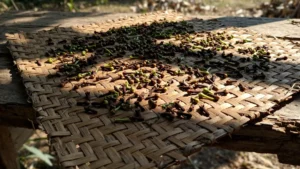
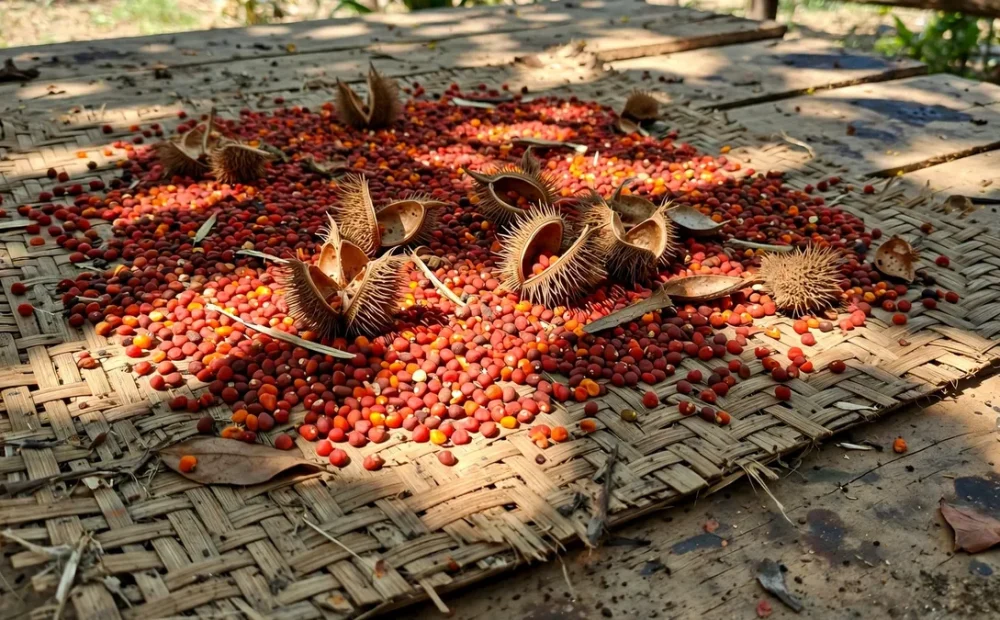
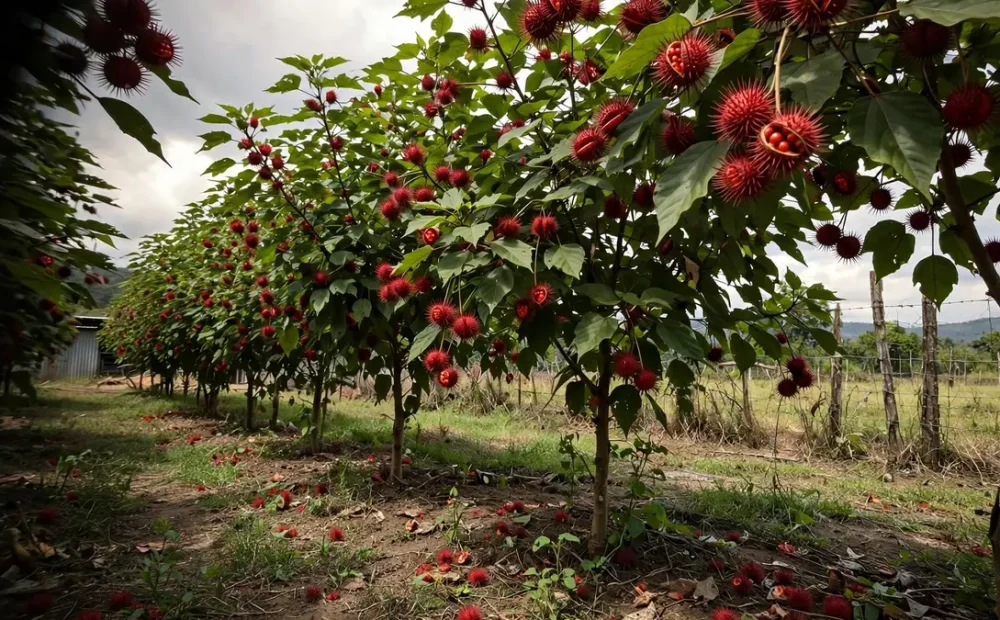
A chili pepper farm escape is a trip built around the picking weeks, when the bushes are heavy and the drying yards are full. You sleep on the farm, eat chilies folded into sauces, stews and grills, walk the rows while the pods are still warm from the sun, and carry home the dried pods you watched being cut.
The heat is the point and the risk at once. A poblano warms the plate gently, a habanero can stop a meal, and the same bush holds both green pods and ripe red ones, so the farm crew picks pod by pod and the kitchen cooks to the heat you can handle. Planning the escape means matching your heat level to the farm, then letting the harvest week set the dates.
Here are nine steps for planning a chili pepper farm escape in 2027, from choosing your heat level to bringing the dried pods home, so the trip turns on the farm you picked rather than the flights you booked. The farms are small, the rooms are few, and the best weeks fill fast once the picking week is named.
Key takeaways
- Chili peppers are the fruit of Capsicum plants, and the heat runs from mild to very hot, so set your heat level before you choose a farm.
- The farm names its picking week, not a month, so let the harvest week set your travel dates.
- Chili farms run small, with a handful of rooms and meals shared at one table, so book early and expect plain comfort.
- Tell the kitchen your heat limit and any food needs before the deposit is paid, not at the first supper.
- Chilies carry no gluten, but the bread and tortillas served beside them often do, so settle the kitchen and the calendar before you pay.
What a chili pepper farm escape involves
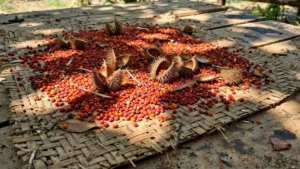
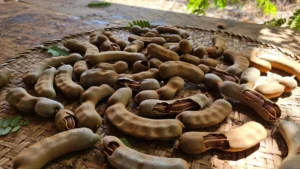
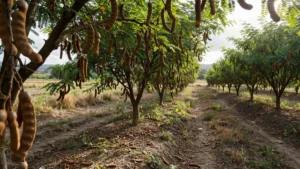
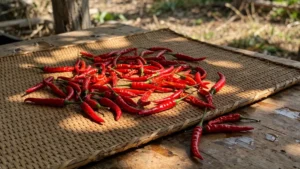
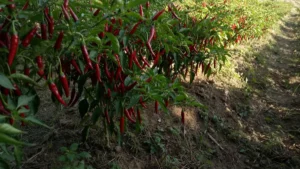
A chili pepper farm escape means three to five nights on a working farm that grows chilies, with the picking weeks as the reason for the trip. Guests stay in a farmhouse room or a converted barn, share the farm kitchen’s meals, and join the harvest, following the rows to watch the pods cut down, the baskets fill by hand, and the chilies laid on mats to dry in the sun.
The days are simple. Mornings belong to the rows, when the dew is still on the leaves and the pods are cool to the touch. Midday belongs to the kitchen, where the chilies go into sauces and stews. Afternoons belong to the drying yard, where the pods turn in the sun or smoke over oak, and evenings belong to one shared table, where the farm serves what it grew. Supper is the hour when the farm shows its hand, with the day’s chilies in every dish and the crew eating beside you. The crew eats at the same table, so the food is the farm’s own cooking, not a menu written for visitors.
The work is honest and the heat is real, so the best escapes are planned around the farm’s calendar rather than a hotel’s, with the picking week fixed first and everything else fitted around it.
Heat is measured on the Scoville scale, which runs from zero for a sweet pepper to more than a million for the fiercest varieties. Most farm chilies sit in the middle, warm enough to notice and mild enough to eat, and the crew will point you to the rows that match your appetite.
How to plan it, and what to ask first
We began with where chilies truly grow, not where they sell best. A real chili farm has rows to walk, pods to stand beside at picking time, and a kitchen cooking with its own chilies. A place that buys its pods in is not a chili farm, whatever the website claims.
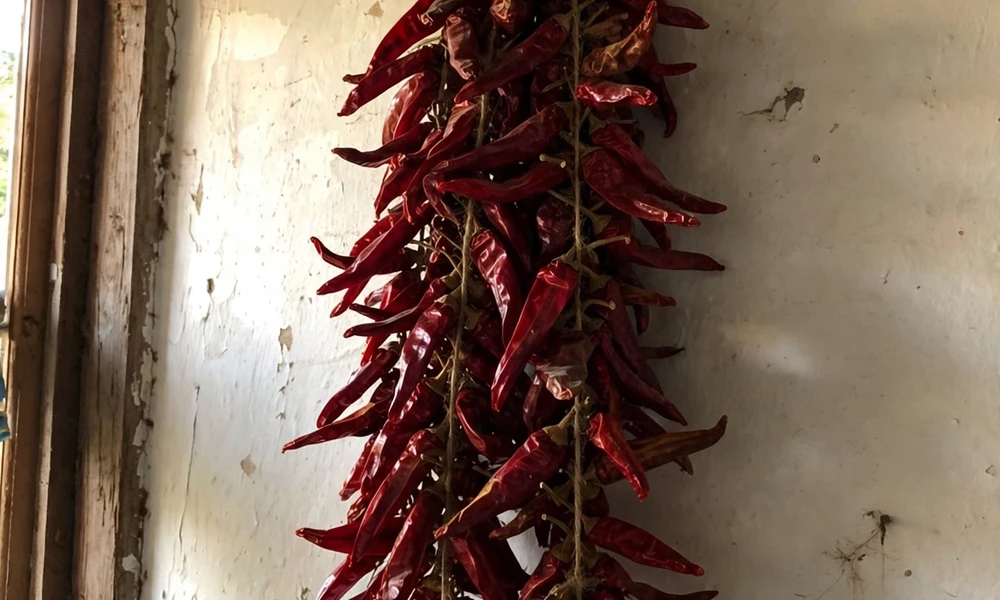
A short guest list tells you plenty: the picking remains real work rather than a show put on for visitors. A serious farm also lays out in its first email what the nightly rate covers, with supper, the drive in from the nearest town and walks among the rows included in the price rather than charged when you arrive. Plain talk about chilies, picking and drying usually tells you the farm looks after its guests well too.
The 9 steps to plan a chili pepper farm escape
Settle on your heat level, then find its farm
What to do: Decide how much heat you enjoy, from mild poblanos to fiery habaneros, and look for a farm that grows your level. Ask the farm which varieties it grows and how hot each one runs. The farm’s list will show the range, from the gentlest pod to the fiercest, so you can see where your comfort sits.
What to avoid: Do not book a habanero farm because the photos look good, then discover at supper that the heat is more than you can eat.
Best for: Travellers who know their limit. Time needed: An evening of reading. Standout tip: The Scoville scale is a guide, not a promise, so trust the farm’s own words over the numbers.
Let the farm fix its week, then sort your travel
What to do: Ask the farm to name its picking week, then book the flights around it. The pods ripen when the sun and rain allow, not when the calendar says so.
What to avoid: Do not fix the flights first and hope the harvest fits, or you may arrive to empty rows and a quiet drying yard.
Best for: Travellers whose dates can move. Time needed: A week while the farm confirms its week. Standout tip: The farm names a week, not a day, so arrive at the start of it and stay through the picking.
Find out what grows on the farm, and how hot it is
What to do: Ask for the full list of varieties, from the mildest to the hottest, and which rows guests may pick in. A farm that grows five kinds gives you a week of tasting.
What to avoid: Do not assume every chili on the farm is the one in the photos, or you may pick a habanero thinking it is a poblano.
Best for: Travellers who want to taste widely. Time needed: One email. Standout tip: Ask which chili the farm cooks with most, and you will learn what the kitchen does best.
Try a fresh pod first, then judge the cooking
What to do: On the first day, taste a pod from the row, then taste the same chili in the farm’s sauce. The fresh pod tells you the heat, and the sauce tells you the kitchen. Ask the crew which pod to taste first, and they will hand you a mild one before the hot ones.
What to avoid: Do not judge the farm by the restaurant in town, or by a jar bought at home, because neither cooks with pods picked that morning.
Best for: Travellers who cook at home. Time needed: An afternoon in the rows. Standout tip: Taste the green pod and the ripe red one side by side, and the difference will teach you more than any menu.
Head for the rows at dawn, while the leaves are still wet
What to do: Go out with the crew at first light, when the pods are cool and the leaves are wet with dew. The picking is easier then, and the farm is at its best.
What to avoid: Do not walk the rows at midday in the heat, when the sun is fierce and the crew has gone in for shade and water.
Best for: Early risers. Time needed: Two hours each morning. Standout tip: Bring a hat and water even in the morning, because the sun climbs fast once the dew is gone.
Put your heat limit in the booking email
What to do: Write down your heat limit and any food needs, and send them with the booking. The kitchen plans its menus days ahead, and a warning in advance is worth more than a plea at the table.
What to avoid: Do not wait until the first supper to say you cannot eat hot food, or the kitchen will have nothing mild ready for you.
Best for: Travellers with a low heat limit. Time needed: One email with the booking. Standout tip: Ask for one mild dish at every meal, and the kitchen will remember you all week.
Dress for the rows with gloves and sleeves, not resort clothes
What to do: Pack thin gloves for handling hot pods, long sleeves for the rows, and closed shoes for the paths. The farm is a workplace, and the clothes should match it.
What to avoid: Do not bring white linen or open sandals, or you will spend the week washing chili oil out of your clothes and thorns out of your feet.
Best for: Travellers who join the picking. Time needed: An evening of packing. Standout tip: Wash your hands well after handling hot pods, and keep your hands away from your eyes until you have.
Keep the last day free for the market in town
What to do: Keep one day free for the town market, where the stalls sell dried pods, ground chili and sauces from farms all over the region. Taste widely, ask questions, and buy what the farm does not grow. The stalls are run by the same families who grow the chilies, so the stories come free with the pods.
What to avoid: Do not spend the free day on the farm when the crew is resting, or you will miss the market and the town’s cooking altogether.
Best for: Travellers who shop for the kitchen. Time needed: A full day. Standout tip: Buy the ground chili last, after you have tasted it, and ask the stallholder how hot it runs.
Take home only dried pods, and leave fresh fruit on the bush
What to do: Buy dried pods and ground chili at the farm, pack them dry in sealed bags, and keep them out of the damp on the way home. Dried chilies travel well and keep for months.
What to avoid: Do not carry fresh pods across borders without checking the rules, or pick green chilies off the plant to take home, because fresh fruit often cannot travel and the farm needs its crop.
Best for: Travellers who cook at home. Time needed: An hour of packing. Standout tip: Label each bag with the farm and the variety, or the pods will all look alike by winter.
Picking the right season and region
If you want chilies where the heat is treated as a feast, begin with Oaxaca or Puebla, where the pods are picked, dried and ground the same week they were cut. Both welcome a first visit, with gentle walks and slow suppers at the farm table, and the farms are used to guests who have never picked a chili before.
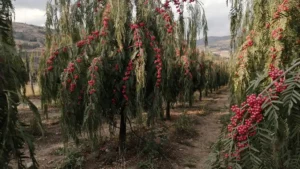
If you want scenery with your chilies, Kashmir sets the bushes in a Himalayan valley, Calabria on steep sea hills, and Arequipa below a volcano. What grows beside the chili shapes the plate: corn in Puebla, potatoes in Cajamarca, pecans in Hatch Valley. For an escape built around another spice altogether, our guide to the black pepper farm escape covers climbing vines in the wet tropics, with pepper chicken and spiced rice instead of roasted chilies and mole, and the long pepper farm escape offers a hotter, older spice, with slow-building heat instead of the sharp bite of a fresh chili.
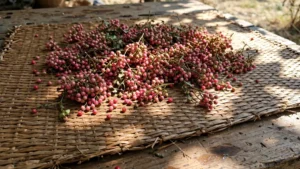
If you want the crop that shares the chili’s kitchen, the cubeb pepper farm escape takes you among tailed berries in the same warm valleys, with peppery sauces and spiced grills served beside the chili mill.
The caveats that matter
Chili farming follows the weather: farms offer a best guess, never a promise, and a trip fixed to a single picking day bets on the rain holding off. The real warning is the heat itself, easy to overlook when the stay is sold as gentle country.
| Detail | What is known |
|---|---|
| Best time to go | In the picking weeks, when the pods are ripe and the drying yards are full of red and green chilies. |
| How long to stay | Three to five nights, long enough to pick, taste and eat at the farm table more than once. |
| What the heat is | Capsaicin inside the pods, ranked in Scoville units, from gentle poblanos to fierce habaneros. |
| Where to go first | Puebla or Oaxaca for mild heat and grand cooking, Yucatán or Arequipa for serious heat. |
| What to pack | Gloves, long sleeves, closed shoes, a hat and water, not resort clothes or open sandals. |
| Who should be careful | Anyone with a tender stomach, and anyone who rubs their eyes after handling hot pods. |
| Gluten note | Chilies hold no gluten, but the bread, tortillas and pastries served with them often do. |
| What to bring home | Dried pods and ground chili from the farm shop, packed dry and kept away from damp. |
Checklist: before you book a chili pepper farm escape
- Have the farm confirm its picking week in writing before any money changes hands.
- Learn which chili varieties the farm grows, and how hot each one runs.
- Find out what the nightly rate includes, and what is charged on arrival.
- Give the kitchen your heat limit and food needs before the deposit is paid.
- Bring gloves, long sleeves and closed shoes for the rows, not resort clothes.
- Keep a spare day at the end for the town market and the drive out.
Frequently asked questions
What makes one chili hotter than another?
The amount of capsaicin in the pod, which varies by variety, by the sun and by how ripe the pod is. A habanero carries far more capsaicin than a poblano, and a ripe red pod usually runs hotter than the same pod picked green.
Which weeks do chili farms pick their fruit?
Most farms pick through the warm months, with the main harvest falling in late summer and early autumn. The precise week shifts with the rain and the sun, so the farm fixes its picking week a few weeks ahead, and the best stays fill once that week is set.
Do chilies grow on a bush or a tree?
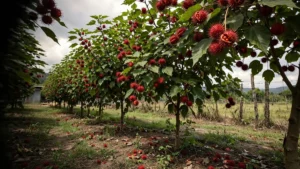
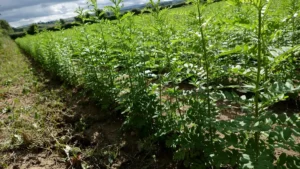
Chilies grow on a low bushy plant, not a tree. The plant stands about a metre high, bears its pods on short stems, and is picked by hand, pod by pod, because the chilies on one bush never ripen at the same time.
Can guests lend a hand at harvest time?
Most farms welcome guests who ask, and the work is simple: snip the ripe pods with scissors and drop them in the basket. Put on gloves for the hot varieties, wash your hands before touching your face, and let the farm crew show you which pods are ready.
Where should a first-time visitor go for a chili farm stay?
Begin with Puebla or Oaxaca, where the heat stays mild and the cooking is grand. The walks are gentle, the kitchens are generous, and the farms are used to guests who have never picked a chili before.
Is gluten-free eating possible on a chili farm stay?
Yes, if you warn the kitchen before you arrive. The chilies themselves hold no gluten, and most farm meals rest on corn, rice and potatoes. The danger lies in the bread and pastries, so ask the cook what is baked fresh and what is bought in.
The bottom line
A chili pepper farm escape suits travellers who would rather eat pods dried that week than chilies from a jar. The bushes are low, the work is honest, and the best stays feed you from ground they worked with their own hands.
Settle the picking week first, then the flights, and keep a spare day at the end. When the harvest lands on time you will taste chilies at their sharpest, and when it slips the table still cooks what the farm grows.