
What a licorice farm retreat actually is
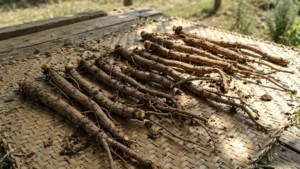
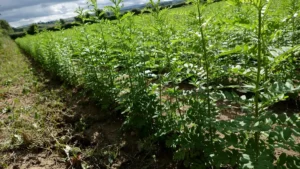
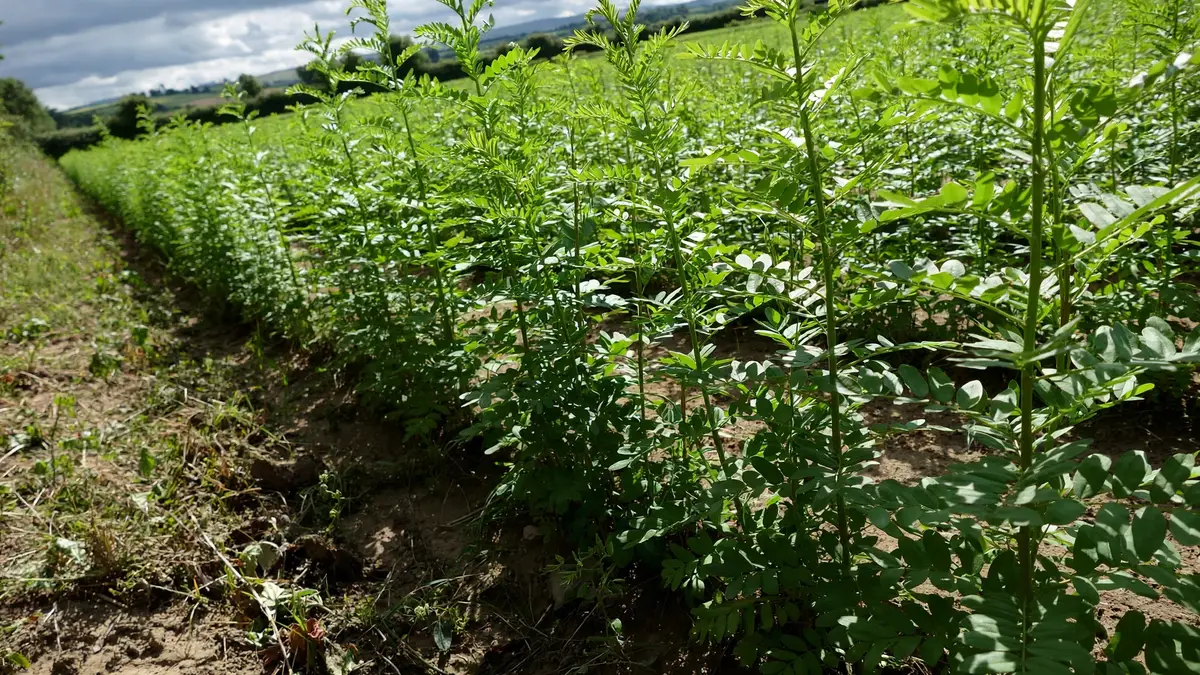
A licorice farm retreat is a small stay on a working root farm where the crop is dug from the ground, not picked from a tree. Licorice is the sweet root of Glycyrrhiza glabra, a tall, leafy plant that spends three or four years growing down before anyone touches it. The roots run deep — a metre or more into the soil — and digging them is slow, muddy work done in autumn, when the roots are at their sweetest. On a retreat you sleep near the fields and watch the roots washed and spread to dry in the sun.
Calabria, on the toe of Italy, is the classic home of licorice, though the plant also grows across Central Asia, Türkiye, and southern Spain, where the roots are harvested for teas, herbal blends, and confectionery. The stays on this list are small — a handful of rooms, a farm table, and a host who knows the roots. Prices run from simple rooms near the drying yard to full-service lodges with a pool and a private guide.
What makes a licorice stay different from any other spice farm is the digging itself. There is no picking basket and no dawn rush to catch a bud before it opens. The work is a spade, a fork, and a long root that snaps if you rush it. If you want the work, pick one that lets you hold the fork.
Key takeaways
- Licorice is the sweet root of Glycyrrhiza glabra, dug after three or four years in the ground and sun-dried until woody.
- Calabria is the classic licorice home, with Central Asia, Türkiye, and southern Spain growing it well.
- Digging happens in autumn, roughly October to November, when the roots are at their sweetest, and the best stays sell out first.
- A night runs $65–$95 in a plain room by the drying racks, and $345–$380 in a lodge with a private guide.
- Licorice root is naturally gluten-free, but farm kitchens cook with wheat, so confirm how they handle a gluten-free diet before you book.
How we picked these stays, and what to ask first
We looked for farms that dig and dry their own licorice, keep guest numbers small, and let visitors into the real work. Every stay below was chosen because the farm’s own crew does the digging and drying on site, and the host can name the week the roots will be ready. We left out resorts that list licorice as a garden feature and lodges that buy dried roots from a trader.
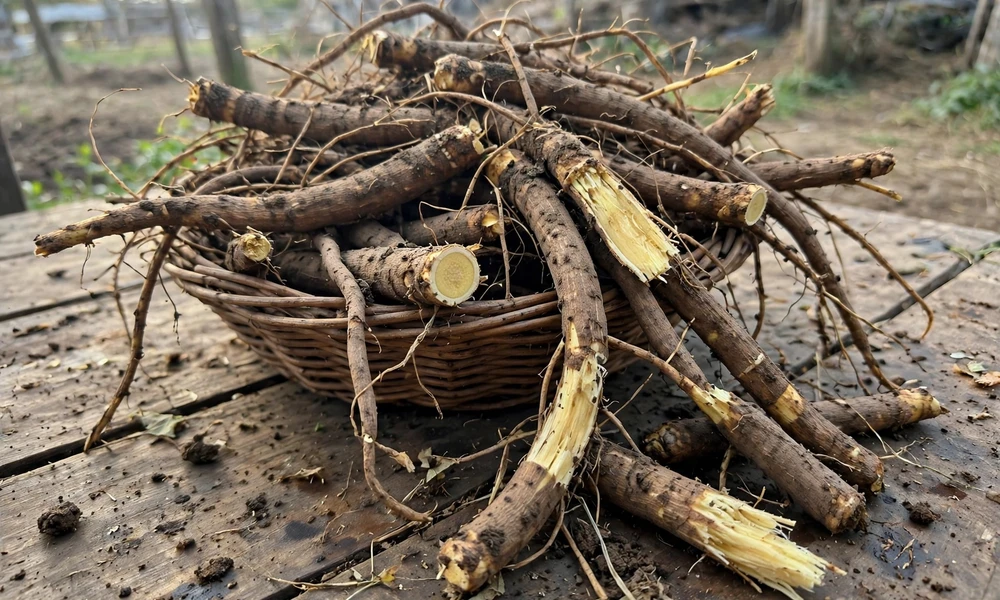
Before you book, ask three things. First, which week the farm expects to dig, because a licorice stay outside digging season is a pretty farm with nothing to do. Second, whether guests may join the digging or only watch, since the roots run deep and the work is heavy. Third, how the farm dries its roots — sun-dried on racks is the traditional way. For a sense of how other root-crop stays are run, our ginger farm retreats follow the same harvest-season logic.
The 9 best luxury licorice farm retreats of 2027
Rossano, Calabria, Italy — Where Licorice Has Been Dug for Centuries
Rossano sits on the Ionian coast of Calabria, where licorice has been dug from the sandy soil since the Middle Ages. The stay is a whitewashed farmhouse a short walk from the fields, and mornings start with coffee and a walk through rows of tall green plants. The farm digs its own roots and dries them on racks behind the house.
What We Like: The digging here is the real thing, with crews working steps from your room and a foreman who shows you how deep a good root runs.
What to Consider: The coast is hot in early autumn, the fields are dusty, and the town’s one road slows the evening drive.
Best For: Watching a root go from soil to sweet in a single day.
Style: Whitewashed farmhouse with a shaded courtyard.
Price Range: $65–$95 a night for two, breakfast and a digging morning included.
Standout Feature: A morning digging session with the farm’s own crew.
Atri, Abruzzo, Italy — Licorice Rows Above the Adriatic
Atri is a hill town in Abruzzo with views over the Adriatic, and its licorice fields stretch across the valley below. The stay is a small stone house on the edge of the fields, with a terrace and a cook who stirs licorice into teas and desserts. Guests join the afternoon digging.
What We Like: The fields are the calmest on this list, with sea views and a host who has dug licorice here for decades.
What to Consider: The hill roads are winding, the town keeps simple hours, and the lodge has no pool.
Best For: A slow week where the digging sets the pace.
Style: Stone hill house with a terrace over the valley.
Price Range: $95–$125 a night for two, with breakfast and a family dinner thrown in.
Standout Feature: A private field of licorice with the sea on the horizon.
Hatay, Türkiye — Licorice Roots on the Old Silk Road
Hatay sits near the Syrian border on the old silk road, and its licorice grows in the rich soil of the Amik plain. The stay is a courtyard house in the old town, with a shaded garden and rows of licorice a short drive away. The farm dries its roots on wooden racks for buyers who have traded here for generations.
What We Like: The history is everywhere, from Roman roads to a bazaar that still sells the root by the bundle.
What to Consider: The plain is hot and dusty, the town is busy, and the digging days are long.
Best For: Standing where the spice trade passed through.
Style: Courtyard house with a shaded garden in the old town.
Price Range: $125–$155 a night for two, breakfast and a field visit included.
Standout Feature: A tasting of the cold licorice drink in the old bazaar.
Kashgar, Xinjiang — Licorice Roots at the Desert’s Edge
Kashgar is an oasis city on the edge of the Taklamakan desert, and its licorice grows in the irrigated fields outside the old town. The stay is a mud-brick house with a courtyard, and the farm’s rows run straight toward the desert, where the roots grow deep chasing water. Guests watch the digging from the field edge.
What We Like: The setting is the most dramatic on this list, with a desert, an old town, and roots that run deeper than anywhere else.
What to Consider: The desert air is dry and dusty, services are few, and the digging is hard, heavy work.
Best For: A farm stay at the edge of the desert.
Style: Mud-brick courtyard house on the oasis edge.
Price Range: $155–$185 a night for two, breakfast and a guided digging morning included.
Standout Feature: Roots dug from desert soil, washed in the irrigation channels.
Fergana Valley, Uzbekistan — Licorice Fields Between Two Ranges
The Fergana Valley lies between two mountain ranges in eastern Uzbekistan, and its licorice fields fill the flat valley floor. The stay is a wooden house near the irrigation canals, with wide verandas and a cook who brews licorice root tea for every meal. Guests help lift the roots after the crew loosens them.
What We Like: The digging work is hands-on here, and the farm lets guests lift roots themselves.
What to Consider: The valley is hot in autumn, the roads are slow, and English is rare outside the farm.
Best For: Learning the digging by doing it yourself.
Style: Wooden house with verandas beside the canals.
Price Range: $185–$215 a night for two, breakfast and a digging session included.
Standout Feature: A full afternoon lifting roots with the crew.
Almaty Region, Kazakhstan — Licorice Roots Below the Mountains
South of Almaty, the steppe meets the mountains, and licorice grows wild and farmed along the river valleys. The stay is a timber lodge with a garden, and the farm runs short digging mornings. The roots here are thick and sweet, and the farm dries them in a barn with a wood stove.
What We Like: The mix of steppe and mountain is the wildest in Central Asia, with eagles over the fields and snow on the peaks.
What to Consider: The autumn is short and cold, the farm is an hour from the city, and the digging window is brief.
Best For: A root farm with mountains on the horizon.
Style: Timber lodge with a garden below the ranges.
Price Range: $215–$245 a night for two, breakfast and a digging walk included.
Standout Feature: A barn drying room warmed by a wood stove.
Shiraz, Iran — Licorice Roots in the Garden City
Shiraz is Iran’s garden city, and its licorice grows in the irrigated plots around the old gardens. The stay is a traditional house with a courtyard and a pool, and the farm digs its roots in the cool mornings before the sun climbs. Guests walk the rows with a guide who points out which plants are old enough to dig.
What We Like: The gardens and the old city are close, so the stay pairs easily with a day of sightseeing.
What to Consider: The city is busy, the farm’s digging season is short, and the paperwork for travel takes time.
Best For: A root farm stay with a historic city nearby.
Style: Traditional courtyard house with a pool.
Price Range: $245–$275 a night for two, breakfast and a guided field walk included.
Standout Feature: Root tea served in the courtyard as the sun sets.
Valencia, Spain — Licorice Rows in the Orange Groves
Valencia’s huerta is a patchwork of orange groves and vegetable plots, and licorice grows in the damp soil between the canals. The stay is a white farmhouse with a tiled roof, and the farm digs its roots in late autumn, when the oranges are ripening too. Guests can watch the roots dry on the terrace.
What We Like: The coast and the city are close, and the farm’s sweets are the best on this list.
What to Consider: The autumn rains can flood the fields, and the farm is busiest at harvest.
Best For: A farm stay with a beach and a city within reach.
Style: White farmhouse with a tiled roof among the groves.
Price Range: $275–$310 a night for two, breakfast and a terrace tasting included.
Standout Feature: The farm’s own licorice sweets, made on site.
Provence, France — Licorice Roots Above the Lavender Fields
Provence is known for lavender, but its southern plains also grow licorice, and the stay here is the most polished on this list. The farm is a full-service lodge with a pool, a spa, and a private guide, set among fields that turn purple in summer and green in autumn. The crew digs the roots in October, and guests watch from the terrace before dinner.
What We Like: The lodge is the most polished on this list, with a spa, a pool, and guides who know every field.
What to Consider: The lodge is the priciest on this list, and it books out early in digging season.
Best For: A luxury stay in the south of France.
Style: Full-service lodge with a pool and spa among the fields.
Price Range: $345–$380 a night for two, with breakfast, dinner, and a private guide all covered.
Standout Feature: A private guide and a digging field all to yourself.
Which licorice region fits your trip
If this is your first licorice trip, start in Rossano. The digging is easy to join, the farms are used to guests, and the Ionian coast gives you somewhere to go after work. If you want quiet, Atri is the better choice, with the same roots and a fraction of the visitors.
For history, choose Hatay or Kashgar, where the old trade roads run through the bazaars. For a luxury break, Provence is the pick, with a proper lodge and a private guide, while Valencia suits anyone who wants a beach and a city after the morning’s work. Our turmeric farm retreats cover similar ground in Asia if you want to compare regions before you commit.
The caveats that matter
Licorice digging is slow, heavy work, and the season is short. A stay booked a week too early or too late can mean no digging at all, so the harvest calendar matters more than the room. The work is physical — deep roots, wet soil, a spade that punishes a bad back — but most farms will let you watch even if you cannot dig, so ask before you book.
| Detail | What is known |
|---|---|
| Digging season | Roots are dug in autumn, roughly October to November, when they are at their sweetest after three or four years in the ground. |
| What a root is | Licorice is the root of Glycyrrhiza glabra, a tall leafy plant; the sweet compound is glycyrrhizin, far sweeter than sugar. |
| How roots are dried | Fresh roots are washed, cut, and spread on racks in the sun until they turn woody and brown over several days. |
| Digging hours | Crews start in the cool morning, when the soil is soft, and stop before the midday heat. |
| Physical effort | Roots run a metre or more into the soil, so digging needs a spade and a strong back; watching from the field edge is usually fine. |
| Gluten | Licorice root itself is naturally gluten-free, but farm kitchens cook with wheat, so ask about shared pans and surfaces. |
| What to buy | Whole dried root pieces keep their sweetness longest; powders and sweets fade fast, so buy root pieces at the farm shop. |
| Health note | Eating a lot of licorice can raise blood pressure, so taste it in small amounts and ask your doctor if you take blood pressure medicine. |
Checklist: booking a licorice farm stay honestly
- Ask the farm which week it expects to dig, and book inside that window.
- Confirm whether guests may dig or only watch, and what tools the farm provides.
- Check how far the rooms are from the fields, and whether the walk is steep or muddy.
- Ask which meals come with the room and how the kitchen treats a gluten-free diet.
- Pack sturdy closed shoes, a hat, and clothes that can take dust and mud.
- Leave room in your bag for dried root pieces from the farm shop.
Frequently asked questions
When are licorice roots dug in Calabria?
The main digging season in Calabria runs roughly October to November, when the roots are at their sweetest. Farms watch the soil daily and may shift the dates by a week, so confirm the window before you book flights.
Can I dig roots with the farm crews?
Many farms let guests dig alongside the crew for a morning, with a spade and a short lesson on lifting a root without snapping it. Some farms keep visitors out of the deepest rows, so ask whether digging is hands-on or watch-only.
Do I need to worry about gluten on a licorice farm?
Licorice root itself contains no gluten, but farm kitchens cook with wheat, and shared pans are common. Write to the farm before you arrive and ask how it keeps gluten-free cooking separate.
What is the difference between licorice root and licorice sweets?
Licorice root is the whole dried root used in teas and herbal blends, while licorice sweets are made from root extract mixed with sugar and starch. The sweets are far sweeter and softer, and they do not keep as long as the root itself.
Which months are driest for a licorice digging trip?
October and November are usually the best months in Calabria and Central Asia, with cool mornings and steady sun for drying. The desert edge in Kashgar stays dry, so expect dust whenever you go.
What is worth bringing home from a licorice farm?
Whole dried root pieces are the best buy, since they keep their sweetness for months and travel well. Ground licorice fades quickly, and sweets melt in a warm bag, so buy the root pieces and brew them at home. Our cinnamon farm retreats make the same case for whole bark over powder.
The bottom line
A licorice farm retreat is worth the trip if you time it to the digging. Rossano is the easiest first choice, Hatay and Kashgar are the most historic, and Provence is the most polished. Book inside the harvest window and ask whether digging is hands-on.
Outside the season the farm is still pretty and the food is still good, but the digging — the part that makes the stay — will be over. Pick your week first, then your farm.