
What a licorice farm escape involves
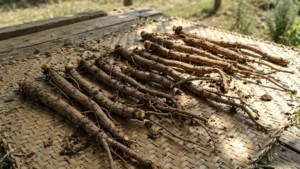
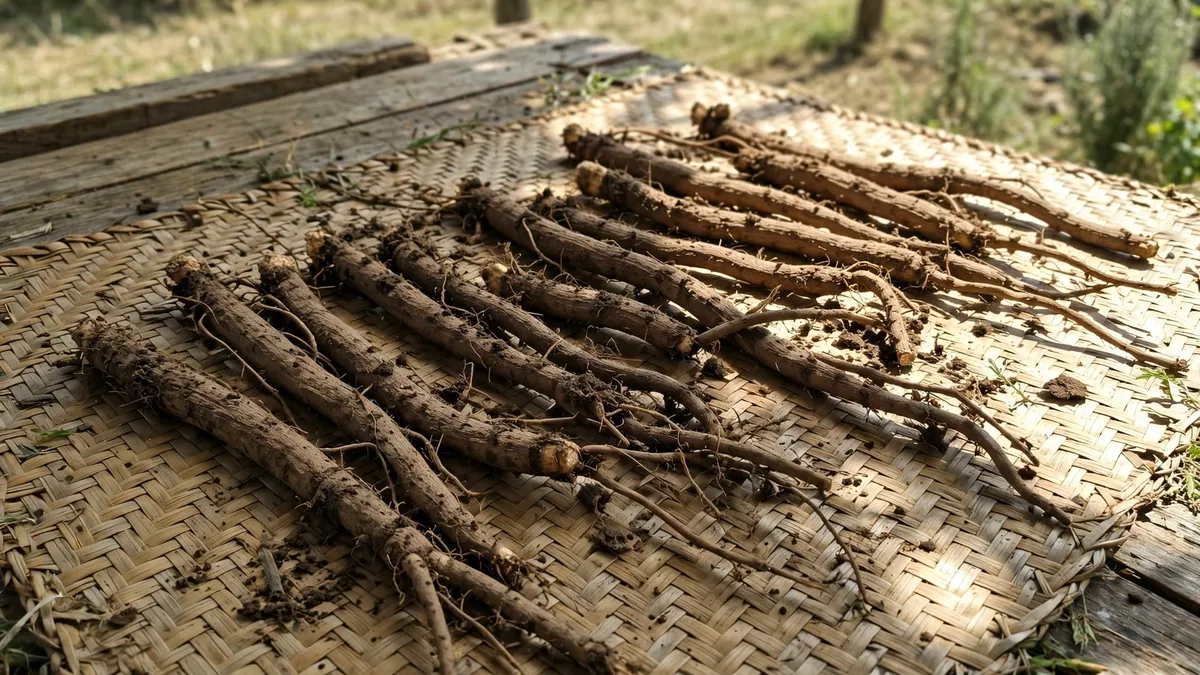
A licorice farm escape is a short trip built around the digging of licorice roots, the sweet underground stems of Glycyrrhiza glabra. You stay on a working root farm, rise early, and walk the fields while the soil is still cool and soft. The crew loosens each plant with a spade, pulls the long root free by hand, and carries it to the washing yard, where the roots are rinsed, cut, and spread on racks to dry in the sun until they turn woody and brown. By dinner the yard smells sweet, and you have watched a root go from soil to tea in a single day.
Licorice is one of the oldest sweet roots in the world, and Calabria is still its classic home, though Central Asia, Türkiye, and southern Spain all grow it well. An escape is not a resort holiday with a herb garden on the side. The farm is the point, the digging sets the hours, and the best stays keep guest numbers small enough that you are part of the morning rather than an audience for it.
Most escapes last three to five days, which is enough time to learn the digging, see a full drying cycle, and eat at the farm table more than once. You do not need experience, and you do not need to be strong enough to lift a deep root, since most farms are happy for guests to dig the shallow plants and watch the rest. You do need to book inside the harvest window, because a licorice farm outside digging season is a quiet farm with nothing to do.
Key takeaways
- A licorice farm escape is a trip built around the digging, with early starts, a drying yard, and meals at the farm table.
- Book the digging week first — roughly October to November in Calabria and Central Asia — and let flights follow the harvest.
- Choose a farm that grows and dries its own roots, with a drying yard on site and guests allowed into the work.
- Three to five days is enough: two digging mornings, a full drying cycle, and a couple of farm dinners.
- Licorice can raise blood pressure in large amounts, and farm kitchens cook with wheat, so taste in small amounts and tell the farm about a gluten-free diet in advance.
How to plan it, and what to ask first
Plan around the harvest, not the hotel. Find the digging weeks for your chosen region — roughly October to November in Calabria and Central Asia — and build the trip around them. Then choose a farm that grows and dries its own roots, keeps guest numbers small, and can tell you which week it expects to dig. A farm that cannot name its digging week is probably buying dried roots from a trader, and the visit will show it.
Ask the farm three questions before you pay anything. First, whether guests may dig or only watch, since the roots run deep and the work is heavy. Second, how the farm dries its roots, because sun-drying on racks is the traditional method and the one worth seeing. Third, which meals come with the room and how the kitchen treats a gluten-free guest, since the farm table cooks with wheat. For a sense of how the planning works on another root farm, our guide to planning a ginger farm escape follows the same harvest-first logic.
The 9 steps to plan a licorice farm escape
Ask the farm when it digs, then plan around that
Licorice roots are dug in autumn, when they are at their sweetest, and the window lasts only a few weeks. Ask the farm which week it expects to dig, then book your flights inside that window. A trip built around a cheap flight or a spare weekend will usually miss the harvest altogether.
What to Do: Email the farm and ask for its expected digging dates before you book anything else.
What to Avoid: Booking flights first and hoping the digging lines up with them.
Best For: Travellers who want to dig, not just look.
Time Needed: A week of emails and calls, months before the season.
Standout Tip: Digging dates often move by a week, so book flights you can change.
Read the leaves to judge a plant’s age
Not every plant is ready to dig. The best roots come from plants that have grown for three or four years, with thick stems and leaves that have started to yellow. Learn what a ready plant looks like before you go, so you can tell whether a farm is digging properly or just pulling young plants.
What to Do: Read up on root maturity and ask the farm how it chooses which rows to dig.
What to Avoid: Choosing a farm on its photos alone, without asking about its digging standard.
Best For: Travellers who want to learn the work, not only watch it.
Time Needed: One evening of reading before you book.
Standout Tip: A farm that talks about root age is a farm that takes the crop seriously.
See the drying racks before you pay
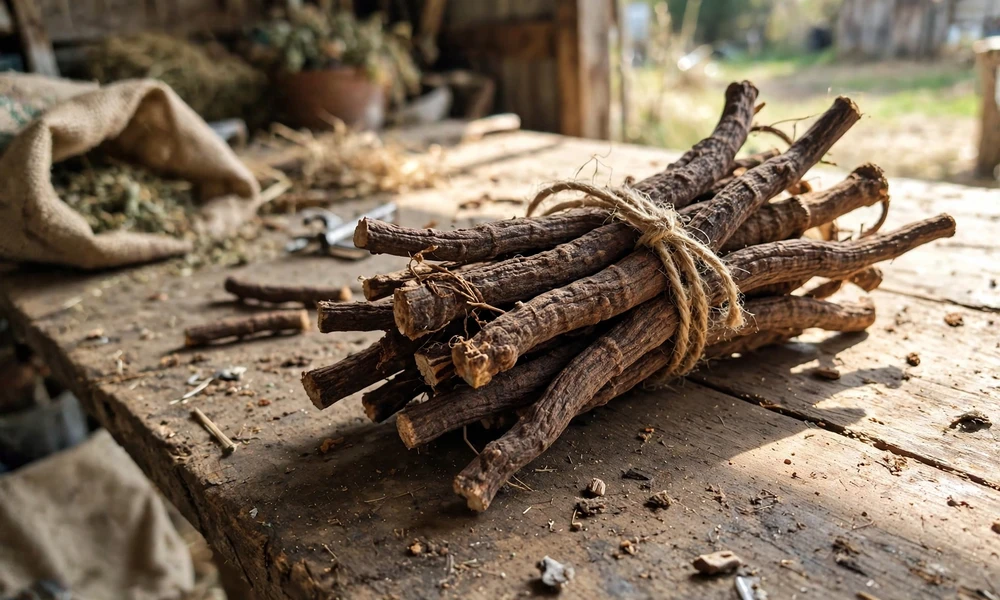
Some lodges call themselves root farms but buy their dried roots from a trader and keep no drying yard at all. The real experience is watching your morning’s dig washed, cut, and spread on racks to dry in the sun. With no drying yard, it is not a farm stay worth the name.
What to Do: Ask the farm to describe its drying yard and how long the roots take to dry.
What to Avoid: A stay where the roots arrive in sacks from a trader.
Best For: Travellers who want the full journey from soil to jar.
Time Needed: A single email before you pay a deposit.
Standout Tip: Ask for a photo of the drying racks, not the pool.
Sleep where the digging happens, the night before
Digging starts early, when the soil is cool and soft, and the crew will not wait for a late arrival. Arrive the evening before, eat with the farm family, and sleep on the farm so you are in the fields at first light. A morning spent driving to the farm is a morning of digging lost.
What to Do: Plan your arrival for the afternoon or evening before your first digging day.
What to Avoid: Arriving the same morning and expecting the crew to wait for you.
Best For: Early risers and travellers who dislike rushing.
Time Needed: A single extra night on the farm.
Standout Tip: The evening meal is where the farm’s story comes out.
Follow one batch of roots through the drying yard
The drying yard is where the trip becomes real. Fresh roots go onto the racks pale and damp, and over two or three days of sun they shrink, harden, and turn woody brown. Spend an afternoon in the yard turning the roots with the crew, and you will understand the spice in a way no jar ever taught you.
What to Do: Join the afternoon turning session and ask the crew how they judge when a root is done.
What to Avoid: Handling the roots with wet hands, which can stain them and slow the drying.
Best For: Travellers who prefer learning by doing.
Time Needed: One full afternoon in the yard.
Standout Tip: The change from pale to woody brown happens faster than you expect.
Compare a root piece with a spoon of powder at the farm table
A piece of dried root and a spoon of licorice powder are the same crop at different ages, and the difference is startling. The root piece is sweet, slow, and woody, while the powder is sharp and fades fast. Ask the farm cook for a side-by-side tasting, and you will never buy powder again.
What to Do: Ask for a tasting of root pieces, powder, and a dish cooked with each.
What to Avoid: Eating a large piece of root at once, which is far stronger than it looks.
Best For: Home cooks and anyone who stocks spices at home.
Time Needed: Half an hour, over a tasting at the table.
Standout Tip: Whole root pieces keep their sweetness for months; powder loses it in weeks.
Sit down to dinner and ask how the root is cooked
The farm table is where the trip pays off. Licorice goes into teas, stews, sweets, and drinks, and every family has its own way of using it. Sit down for dinner, ask which dishes carry the root, and take notes — the recipes are the real souvenir, and no shop sells them.
What to Do: Sit at the farm table twice at least and ask about the dishes.
What to Avoid: Eating in town nightly and missing the farm’s own cooking.
Best For: Food lovers and cooks who learn by tasting.
Time Needed: Two evenings at the table.
Standout Tip: Ask the cook to show you how much root goes into a pot of tea.
Bring old clothes, washable shoes, and a sealing bag
The fields are muddy after rain, the drying yard is dusty, and licorice root stains anything it touches. Pack closed shoes you can hose down, clothes you do not mind getting dirty, and a bag that closes tight for the roots you buy. A light jacket helps for the early start, when the fields are cool.
What to Do: Pack old shoes, a hat, and a sealable bag for dried roots.
What to Avoid: White clothes, open sandals, and a bag that lets root dust escape.
Best For: Practical packers and travellers who dislike laundry.
Time Needed: Ten minutes of packing the night before you travel.
Standout Tip: Licorice can stain skin, so wash your hands after digging.
Buy the roots you watched come out of the soil
The farm shop sells the same roots you watched dry, and they are the best licorice you will ever own. Buy whole dried root pieces in a sealed bag, and skip the powder, which fades fast. A small bag lasts months in the kitchen, and the farm keeps the whole price instead of a trader’s share.
What to Do: Buy whole root pieces on your last morning, after the final drying check.
What to Avoid: Buying powder or sweets, which lose their strength quickly.
Best For: Home cooks and anyone after a genuine souvenir.
Time Needed: Twenty minutes in the farm shop.
Standout Tip: Ask the farm how to store the roots so they keep their sweetness.
Picking the right season and region
Calabria is the easiest first choice, with the longest digging season and the most farms used to guests. The main harvest runs roughly October to November, when the mornings are cool and the sun is steady enough for drying. If you want quiet, Atri has the same roots with far fewer visitors, though the hill roads are slow. For history, Hatay and Kashgar are unmatched — the old trade roads run through both — but the flights are few and the roads are rough.
Central Asia is the wildest option, so expect dust and cold even in season, while Valencia suits anyone who wants a beach and a city after the morning’s work. Iran and Provence work well as part of a longer food trip, since their licorice fields grow beside gardens, vineyards, and old towns. Wherever you go, confirm the digging week with the farm itself, because the roots set the dates and no calendar can promise them. Our guide to planning a turmeric farm escape covers the same harvest-first approach in Asia.
The caveats that matter
The biggest risk on a licorice escape is timing. Book a week too early or too late and there will be no digging at all, only a pretty farm and a drying yard full of empty racks. The work is also physical, with early starts, muddy fields, and roots that run a metre deep, though most farms are happy for guests to dig the shallow plants and watch the rest. Licorice can raise blood pressure if you eat a lot of it, so taste in small amounts and ask your doctor first if you take blood pressure medicine.
| Detail | What is known |
|---|---|
| Harvest window | The digging lasts only a few weeks, so ask the farm for its exact dates — a week either way can mean no harvest at all. |
| What you are digging | Licorice is a root dug after three or four years in the ground; it is neither a seed nor a berry. |
| Drying method | Crews wash the fresh roots, cut them, and spread them on racks in full sun, turning them until they harden and darken. |
| Working hours | The crew works from dawn until the heat builds, then the roots go onto the racks for the afternoon. |
| How hard it is | The ground can be slippery after rain and the roots run deep; shallow plants are easy for guests to lift. |
| Gluten-free eating | The root itself has no gluten, but the kitchen serves wheat breads, so tell the farm ahead if you need separate cooking. |
| Best souvenir | Take home whole root pieces in a sealed bag — they hold their sweetness for months, unlike powder. |
| Health note | Eating a lot of licorice can raise blood pressure, so taste in small amounts and check with your doctor first. |
Checklist: before you book a licorice farm escape
- Email the farm for its digging dates before you book flights.
- Ask whether digging is hands-on or watch-only.
- Check the distance from your room to the fields.
- Tell the kitchen about a gluten-free diet before you arrive.
- Pack shoes you can wash, a hat, and a bag that seals.
- Keep space in your luggage for a bag of dried roots.
Frequently asked questions
How many days does a licorice farm escape need?
Three to five days suits most travellers. Two digging mornings, a full drying cycle, and a couple of dinners at the farm table give you the whole story. A single night is too short, since the digging starts at dawn and the drying takes days to watch properly.
Can guests dig roots, or is it watch-only?
It depends on the farm. Many let guests dig the shallow plants for a morning, with a spade and a short lesson on how to lift a root without snapping it. Others keep visitors out of the deepest rows for safety and let them watch from the field edge instead, so ask when you book rather than after you arrive.
Can a farm kitchen cook gluten-free for me?
Most farm kitchens will cook gluten-free when warned in advance, though pans and surfaces are usually shared with wheat dishes. Ask how they keep the cooking separate and whether your meals can be made first, before the wheat dishes go on.
What should I wear for a morning in the fields?
Closed shoes you can wash, long trousers, and a hat are the essentials, since the fields are muddy and the sun gets strong by mid-morning. A light jacket helps at dawn, when the fields are cool, and gloves are useful if you plan to dig for more than an hour.
When is the driest month to visit a licorice farm?
October is usually the driest month in Calabria and Central Asia, with cool mornings and steady sun for the drying yards. The desert edge in Kashgar stays dry through the season, so expect dust whenever you go and pack a scarf for the wind.
What should I bring back in my bag?
Whole dried root pieces in a sealed bag are the best thing to bring home, since they keep their sweetness for months and travel well. Powder loses its punch within weeks, while sweets melt in a warm bag, so buy the root pieces and brew them at home. Our guide to planning a cinnamon farm escape makes the same point about buying whole spices at the farm shop.
The bottom line
A licorice farm escape works when you plan it around the harvest. Pick your digging week first, choose a farm that dries its own roots, arrive the evening before the morning dig, and give yourself three to five days. Calabria is the easiest first trip, Hatay and Kashgar are the most historic, and Provence is the most polished.
The work is early, muddy, and worth it. You will come home with a bag of whole roots, a few recipes from the farm table, and a proper understanding of where the sweet root in your tea actually comes from.