There is a week in early summer when a gooseberry bush stops looking like a tangle of thorns and starts looking like a larder. The berries swell, the skins go glassy, and the taste turns from mouth-puckering to sharp-sweet in a matter of days. Miss that week and you get hard green fruit; catch it and you get one of the oldest pleasures in the English kitchen, eaten warm from the bush or folded into cream.
Gooseberries have been grown in cottage gardens and judged at village shows for two centuries, and the farms that still grow them well treat the crop with real respect: hard pruning in winter, careful picking in June, and a kitchen that knows what to do with a tart berry. The stays below are working farms first and guesthouses second, and the berry is the reason to go.
Nine gooseberry farm stays follow, running from a stone cottage in Yorkshire at $65 a night to a hillside farm in Tasmania at $345–$380, and each one is judged on its picking, its cooking, and the feel of the place itself.
Key takeaways
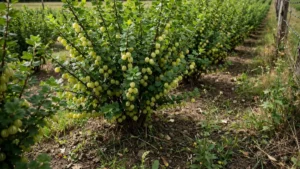
- Gooseberry bushes are thorny and low, and the farms worth visiting grow the berry as a main crop rather than a garden afterthought.
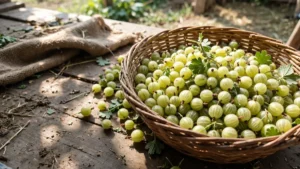
- Pick a berry that gives a little under the thumb and looks almost see-through; hard, opaque fruit is still sour.
- Sharp cooking kinds belong in pies and jam, while the sweet dessert kinds are best eaten raw, straight off the bush.
- A row walk and a tasting usually come with the room, while meals, lifts, and jam sessions are often charged on top.
- Farm kitchens bake with wheat flour every morning, so anyone with a wheat allergy needs to write to the farm before booking.
What a gooseberry farm retreat actually is
A gooseberry farm retreat is a working berry farm that takes a small number of guests during the harvest, usually from late June into July depending on the region. Mornings start in the rows with a punnet and a pair of gloves. Afternoons are for cooking — fool, crumble, jam, tarts — and evenings are for eating what the day produced. The farms on this list all grow gooseberries as a real crop, with named varieties, pruned bushes, and a picking calendar the host plans around.
What sets the luxury end apart from a plain farm stay is the room and the kitchen. Beds are real beds, bathrooms are private, and the food comes from the farm’s own ground rather than a shop. On the best stays, the person who shows you the rows in the morning is the same person who serves the gooseberry fool at lunch, and that continuity is worth more than any spa menu.
Gooseberries suit this kind of trip because the fruit is generous and forgiving. A single bush can fill a punnet in half an hour, the berries keep their shape in cooking, and even a first-time picker can tell when a berry is ready: it is soft under the thumb, nearly see-through, and comes away with a gentle pull. If it holds fast, it is not ready — a lesson most guests pick up in ten minutes. For a different fruit with the same slow rhythm, the luxury strawberry farm retreats we covered earlier follow a similar pattern of small groups and a host who cooks the harvest.
How we picked these stays, and what to ask first
We started with farms that list gooseberries as a main crop, then checked that guests are genuinely allowed to pick, that the rooms are private, and that the kitchen uses the berries daily. We left out farms that offered only a view of the rows, or more than a dozen rooms. The nine that remain all passed those tests, and all had 2027 dates open when we wrote.

Before you book, put three questions to the farm. First, what are the picking dates, and how firm are they — a farm that gives you a fortnight, not a month, is telling the truth. Second, what the rate covers: meals, picking sessions, cooking classes, and transport from the nearest town all vary. Third, what happens when the season shifts — a good farm moves your dates or warns you early, and a farm that will not discuss it is one to avoid. The luxury blackberry farm retreats we covered earlier run on the same logic: small stays where the booking details matter more than any star rating.
The 9 best luxury gooseberry farm retreats of 2027
Yorkshire, England — Gooseberries beside the Old Show Tables
What we like: Yorkshire is gooseberry show country, where the berries are grown the old way on bushes pruned hard and weighed at the village show. The stay is a stone cottage at the field edge, and the host takes guests through the rows with a punnet before breakfast.
What to consider: The weather turns quickly, and a wet week can split the berries before picking. The farm sits a drive from the nearest town, so sort a lift before you arrive. Best for: Travellers who want gooseberries where England grows them most seriously. Style: Stone cottage at the field edge. Price range: From $65 a night, breakfast and a dawn picking walk included. Standout feature: The morning picking walk with the host.
Cheshire, England — Gooseberry Bushes on the Dairy Flat
What we like: A flat Cheshire farm where gooseberries grow in long rows beside the dairy fields, and the fruit comes in heavy and tart. The stay is a comfortable farmhouse, the garden is wide, and the host opens the picking mornings to guests who want to work.
What to consider: The lanes are narrow and the farm sits a long drive from the nearest city. Midges appear on still evenings, so bring repellent. Best for: Fruit lovers after a heavy, generous harvest. Style: Comfortable farmhouse on the flat. Price range: From $95 a night, with a farm breakfast and a punnet to fill. Standout feature: Picking mornings that guests may join.
Kent, England — Gooseberries under the Orchard Trees
What we like: A Kent farm where gooseberries grow beneath old orchard trees, and the fruit is served with cream at every meal. The house is a low brick building with a shaded garden, and the host makes the berries into fool for lunch.
What to consider: The farm sits a long drive from the city and the summer heat can soften the berries by midday. The garden fills in the fruiting months, so book early. Best for: Travellers who want fruit and a celebrated food county in one trip. Style: Brick house with a shaded garden. Price range: From $125 a night, breakfast and lunch both covered. Standout feature: Gooseberry fool served at lunch.
Herefordshire, England — Tart Gooseberries in Orchard Country
What we like: A farm in the Wye valley where gooseberries grow beside the orchards, and the kitchen folds the fruit into tarts every afternoon. The house is low and old, the air stays cool even in July, and the host knows every bush by row.
What to consider: The valley lane is narrow and rooms are few, so book early. The fruit is sharp in the early season, and the wind picks up off the hills by afternoon. Best for: Travellers after a quiet, green corner of the west. Style: Old farmhouse in the valley. Price range: From $160 a night, dinner and a tart class included. Standout feature: The afternoon tart baking.
Normandy, France — Gooseberries behind the Stone Walls
What we like: A Norman farm behind old stone walls where gooseberries grow in rich soil under the apple trees, and the fruit is dark, sweet, and slow to ripen. The rooms look over the orchard, the host runs a small kitchen, and the jam is made in a copper pot on the stove.
What to consider: The lane climbs steeply and the farm fills up in the fruiting weeks. Evenings run cool enough for a layer, and the nearest town is half an hour off. Best for: Travellers who want cool orchard air with their berries. Style: Stone farmhouse with orchard views. Price range: From $195 a night, every meal covered. Standout feature: Jam from the copper pot.
Gelderland, Netherlands — Gooseberries along the Dyke Roads
What we like: A Dutch farm on the river flats where gooseberries ripen early, in long rows under a wide sky, and the fruit is picked into punnets for the farm gate stall. The house sits among the rows, and the kitchen uses the fruit in crumbles as well as jam.
What to consider: Heat arrives early and the nearest city is an hour away. Paths dry out and turn dusty, so wear shoes that can take it. Best for: Travellers who want fruit and flat river country in one trip. Style: Farmhouse among the rows. Price range: From $230 a night, breakfast and dinner both included. Standout feature: The farm kitchen’s crumbles.
Bavaria, Germany — Gooseberries at the Forest Edge
What we like: A Bavarian farm at the forest edge where gooseberries grow in cool, damp air, and the fruit is picked into punnets for the farm gate stall. The host is a second-generation grower, the fruiting season is generous, and the kitchen makes a gooseberry compote that guests take home in jars.
What to consider: The road winds a long way, and the farm books out in the picking weeks. Rain comes often, so pick early and rest in the shade when the sun shows. Best for: Travellers chasing a long season and green hills. Style: Hillside farmhouse by the farm gate stall. Price range: From $265 a night, meals and tastings covered. Standout feature: The compote made on the farm.
Ontario, Canada — Gooseberries by the Northern Lakes
What we like: A farm on the lake shore where gooseberries grow in sandy soil, and the fruit is served with cream from a neighbouring dairy. The house is a clapboard cottage, and the host bakes the berries into pies for breakfast.
What to consider: Wind runs strong off the water and the nearest city is a drive away. The season is brief, so the dates count for more than the price. Best for: Travellers who want gooseberries by the lake. Style: Clapboard cottage by the shore. Price range: From $300 a night, full board throughout. Standout feature: Cream from the dairy next door, served over the berries.
Tasmania, Australia — Gooseberries on a Cool Southern Farm
What we like: A small farm in the hills behind Hobart where gooseberries grow in neat rows behind an old shed, and the stay is a polished cottage with a valley view. The fruit is the tart kind, the farm runs a weekly tasting, and the kitchen folds the berries into morning pancakes.
What to consider: The price heads this list, and the farm sits a drive from town. The season is brief, so settle the dates before you book. Best for: Travellers who want gooseberries within reach of Hobart. Style: Hills cottage above the valley. Price range: From $345 a night, the lot included. Standout feature: The weekly tasting with a valley view.
Which gooseberry region fits your trip
Which region fits depends on when you can travel and how much picking you want to do. Yorkshire and Cheshire suit a first trip: short flights, gentle farms, and a forgiving season. Normandy and Bavaria suit cooks. Ontario and Tasmania suit travellers who want the trip to be the main event, not a weekend away. The luxury raspberry farm retreats we covered earlier run on a later summer season.
| Detail | What is known |
|---|---|
| Best season | Early summer, with the peak moving by country; Tasmania picks while the north rests |
| Picking window | Two to three weeks per farm, moving with the weather |
| Cheapest stay | Yorkshire, England, from $65 a night with breakfast and a picking walk |
| Most polished stay | Tasmania, Australia, from $345 a night with a cottage and a weekly tasting |
| Best for beginners | Kent, England, with gentle bushes and a patient host |
| Best for cooks | Herefordshire, England, for tarts and a teaching kitchen |
| Gluten | The berries have no gluten in them, but kitchens bake with wheat — write to the farm first |
| What to pack | Gloves, long sleeves, closed shoes, dark clothes, and a hat for the rows |
The caveats that matter
Gooseberry picking is honest work, and the thorns are real. Gloves and long sleeves are not optional on the older thorny varieties, and even the smoother bushes have spines that scratch. Juice marks everything it touches, so wear dark clothes you can spare. Wasps love ripe gooseberries, so move slowly in the rows, watch where you put your hands, and tell the host at once if you are allergic to stings.
Not every berry on the bush is ready. Hard berries are sour, soft berries are ready, and berries with splits are best left alone. The farm will show you the difference on the first morning, and it is worth listening: a punnet of under-ripe berries makes poor fool and a worse tart. If you are picking wild bushes outside the farm, check with the host first — some are sprayed, some belong to neighbours, and some are simply not the farm’s to offer.
On food, gooseberries themselves have no gluten in them, but farm kitchens bake with wheat flour, serve bread at most meals, and sometimes thicken sauces with flour. Tell the farm about any wheat or gluten allergy in your first note, and ask what the kitchen will cook for you. The same applies to other allergies: wasp stings, bee stings, and the farm’s dogs and cats are all worth flagging before you arrive, not after.
Checklist: booking a gooseberry farm stay honestly
- Have the picking dates in writing before you book flights.
- Find out what the rate covers: meals, picking sessions, classes, and transport.
- Pack gloves, long sleeves, closed shoes, and dark clothes for the rows.
- Mention allergies — gluten, wheat, stings — in your first message.
- Keep some cash handy for the farm shop and the village market.
- Read the cancellation terms in case the season shifts by a few days.
Frequently asked questions
When is gooseberry season?
Late June into July in most of England and northern Europe — usually the last week of June and the first two weeks of July — and later in Tasmania, where the southern summer runs into December and January. Each farm’s window runs two to three weeks, so ask for its picking dates before you book.
What does a gooseberry taste like?
Tart and bright, with a sharp edge when under-ripe and a soft sweetness when fully ripe. Cooking kinds stay sharp even when ripe; dessert kinds turn sweet-tart and almost see-through.
Can guests pick their own gooseberries?
Yes, on all nine stays here. Picking is the point of the trip, and the farms keep marked rows open for guests.
Can everyone eat gooseberries safely?
Ripe gooseberries are safe for most people, but wash them before eating, and avoid berries growing beside busy roads or sprayed fields. People with a berry allergy should warn the farm in advance.
Where should a first-time gooseberry traveller start?
Yorkshire or Kent. Yorkshire is gentle and cheap, while Kent has a patient host and a kitchen that teaches.
How does a gluten-free traveller eat on a gooseberry farm?
Yes, if you warn the farm before you book. The berries have no gluten in them, and most farm kitchens will cook gluten-free meals and bake with other flours when asked. Elderberry farm retreats run on the same rule: write to the farm first, and ask what the kitchen will cook for you.
The bottom line
A gooseberry farm retreat is a short, sharp trip built around a harvest that will not wait. The best stays are small, honest, and close to the rows, and the best time to go is the week the berries turn soft — not the week the flights are cheapest. Pick Yorkshire or Kent for a first trip, Herefordshire for cooking, and Tasmania for the most polished version.
Book around the picking dates, pack for thorns and stains, and warn the farm about your allergies before you pay. Do that, and a few days in the rows will give you fool, jam, and a punnet of berries that taste of the place they grew in.