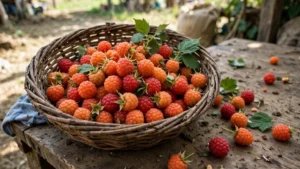
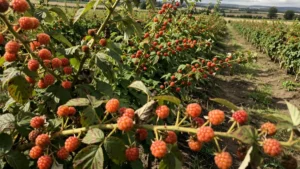
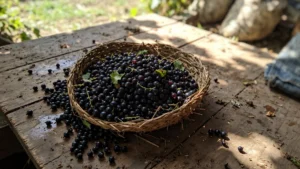
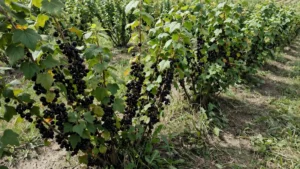
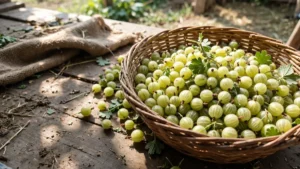
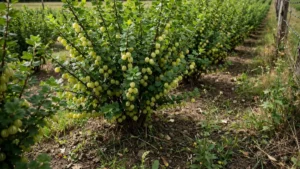
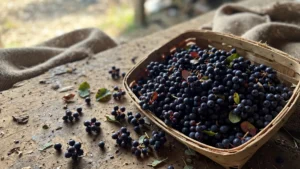
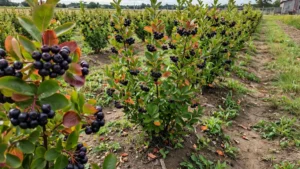
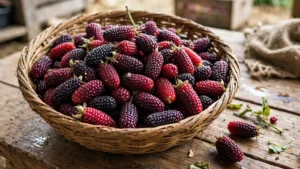
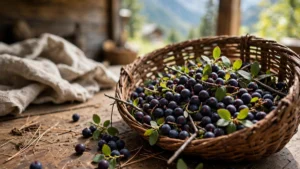
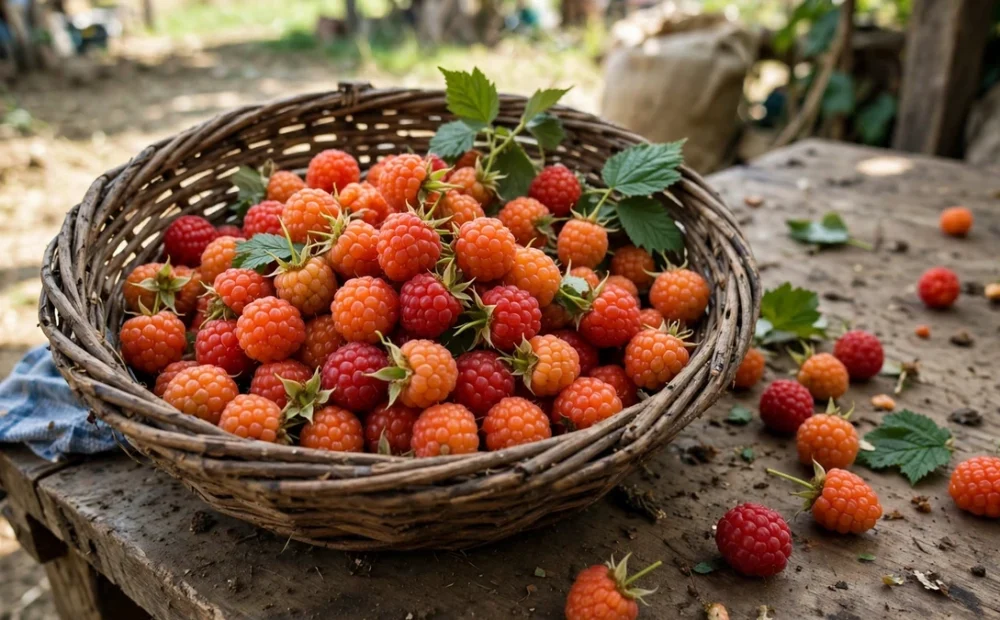
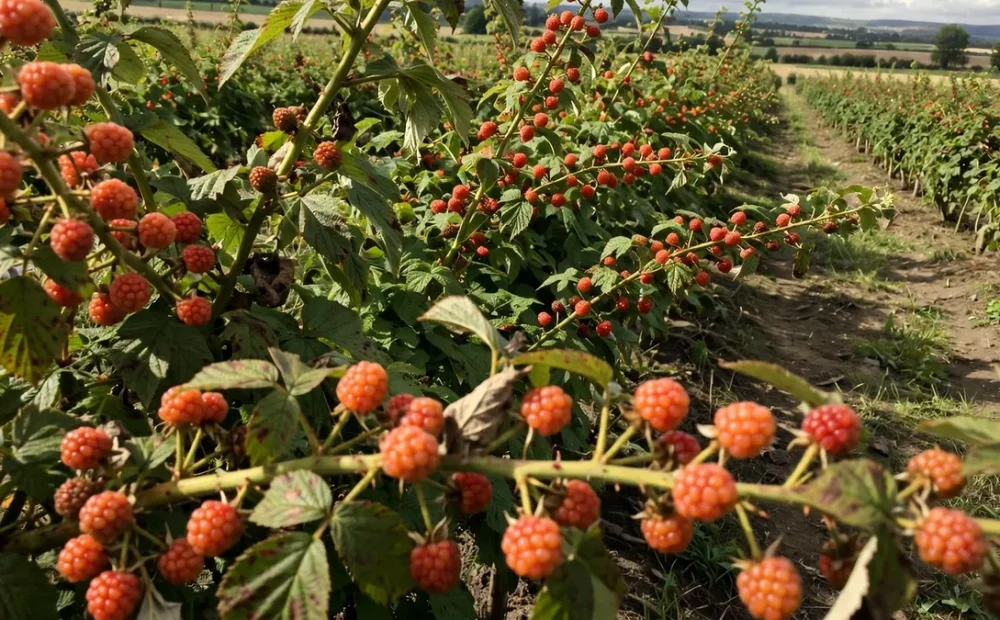
Salmonberry is the berry that gives itself away by colour alone. Pick it ripe and it comes away soft and salmon-pink, warm from the sun, sweet in a quiet way that never shouts. The canes grow where the forest meets the water, along stream banks and forest edges, and a good picking morning ends with a full basket and juice on your cuffs.
The fruit is soft enough to eat straight from the cane, and it melts into jam as a firmer berry never does. A salmonberry farm stay is built around those canes: the rows are the view, the picking is the morning’s work, and the kitchen cooks with whatever came off the canes.
Below are nine salmonberry farm stays worth considering in 2027, from a rainforest farm on the Olympic Peninsula to a small farm in Tofino. Each entry weighs the stay’s strengths, its weak spots, and who will love it most.
Key takeaways
- Salmonberries grow on canes along streams and forest edges, and the best stays are working farms where the berry is the main crop.
- A ripe berry is salmon-pink to orange-red all over, soft to the touch, and slips off the cane; a pale or firm berry is not ready.
- The season is short and early, late spring into early summer, and the region you choose decides how long the picking lasts.
- Most stays include a farm walk and a tasting, but meals, transfers, and jam-making sessions usually cost extra.
- People with a wheat allergy should ask about the kitchen first, because farm kitchens bake pies and bread each morning and flour gets everywhere.
What a salmonberry farm retreat actually is
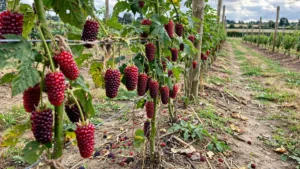
A salmonberry farm retreat is a stay on, or beside, a working salmonberry farm. The canes stand in long rows along the water, tall and leafy, and the berries hang in clusters that ripen a few at a time, so the picking never stops while the season runs. The fruit is picked by hand, a basket at a time, and the farm eats most of it.
What sets it apart from a plain farm stay is the single crop at the heart of it all. The berry sets the pace, from the bowl served at breakfast to the jam at lunch and the pie spooned over cream after dinner. The rooms are usually simple, the host usually works the canes, and the day follows the picking rather than any timetable.
It pays to find out what the rate includes before you commit. Some are farms above all else, with plain rooms and a host who prunes the canes every morning. Others are comfortable guesthouses set inside a fruit farm, offering more ease and less farm work to watch. Either kind can be wonderful, yet they are different holidays, and the nightly rate usually gives away which sort you are booking. Our guide to luxury raspberry farm retreats follows the same idea: get the inclusions in writing before the photographs win you over.
How we picked these stays, and what to ask first
We looked for stays where the salmonberry canes are real and central, not decorative. A good salmonberry retreat grows its own fruit, offers a row walk or tasting, and is honest about what happens outside the fruiting season.
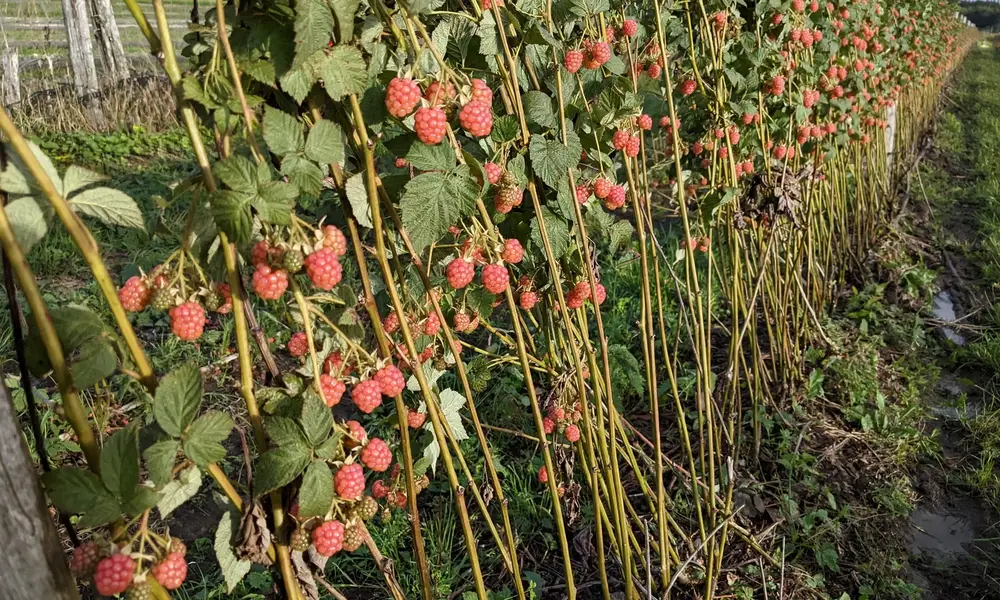
Look first at the season. Salmonberries fruit early, in late spring and early summer, and the peak moves by latitude. Washington and Oregon pick from late May into June, with the coastal fruit coming earlier than the inland. British Columbia picks through June, and Alaska picks while the southern farms rest.
Ask next what the price covers: a row walk, a tasting, and a jam class are often billed as three separate extras. Check whether breakfast is in the rate, whether the garden is shared, and whether the host speaks a language you can get by in. When a farm sets out every charge plainly before you book, it is usually well run. The luxury blackberry farm retreats we covered earlier follow the same shape: small stays where the booking details count for more than any star rating.
The 9 best luxury salmonberry farm retreats of 2027
Olympic Peninsula, Washington — Salmonberries at the Rainforest Edge
What we like: A rainforest farm where salmonberries grow thick along the river, soft, pink, and sweet from the damp air. The stay is a cedar cabin at the field edge, and the host walks guests through the rows with a basket before breakfast.
What to consider: The rain comes often, and a wet week can soften the berries before picking. The farm is a drive from the nearest town, so arrange transport before you arrive. Best for: Travellers who want salmonberries where the Pacific Northwest grows them wildest. Style: Cedar cabin at the rainforest edge. Price range: $65–$95 a night, breakfast in the rate. Standout feature: Picking walks at dawn with the host.
Willamette Valley, Oregon — Salmonberries where the Vines Meet the River
What we like: A valley farm where salmonberries grow beside the vines, and the fruit comes in soft and sweet under the wide sky. The stay is a comfortable farmhouse, the garden is wide, and the host runs picking mornings for guests who want to join in.
What to consider: The heat is strong by midday and the farm is a long drive from the nearest town. The river breeze helps, but the paths turn dusty after a dry week, so bring shoes that can take it. Best for: Fruit lovers after a bumper harvest. Style: Comfortable farmhouse near the vineyards. Price range: $95–$125 a night, farm breakfast thrown in. Standout feature: Mornings when guests can pick their own.
Vancouver Island, British Columbia — Salmonberries on the Island’s West Coast
What we like: A farm on the island’s west coast where salmonberries grow in the sea air, and the fruit is served with cream at every meal. The house is a low timber building with a shaded garden, and the host folds the berries into tarts for breakfast.
What to consider: The farm is a long drive from the ferry and the summer fog can soften the berries by midday. Gulls appear on still evenings, so keep the baskets covered. Best for: Travellers who want fruit and a wild coastline in one trip. Style: Timber house with a shady garden. Price range: $125–$160 a night, breakfast plus dinner included. Standout feature: Fresh salmonberry tarts at breakfast.
Puget Sound, Washington — Salmonberries on the Sound’s Shores
What we like: A sound-side farm where salmonberries grow in rich soil above the water, and the fruit is pink, soft, and slow to ripen. The rooms look over the sound, the host runs a small kitchen, and the jam is made in a copper pot on the stove.
What to consider: The road down is steep and the farm fills in the fruiting months. Evenings are cool enough for a layer, and the nearest town is half an hour away. Best for: Travellers who want cool sea air with their berries. Style: Sound-side farmhouse with water views. Price range: $160–$195 a night, dinner thrown in. Standout feature: Jam stirred in a copper pot over the stove.
Haida Gwaii, British Columbia — Salmonberries on the Misty Isles
What we like: A farm on the misty isles where salmonberries grow beside the spruce, and the kitchen folds the fruit into pies every afternoon. The house is old and low, the air is cool even in June, and the host knows the canes row by row.
What to consider: The ferry is long and the farm has few rooms, so book early. The fruit is sharp early on, and the wind picks up off the sea by afternoon. Best for: Travellers after a quiet, green corner of the north. Style: Old farmhouse on the misty isles. Price range: $195–$230 a night, every meal thrown in. Standout feature: Salmonberry pies baked each afternoon.
Juneau, Alaska — Salmonberries in the Capital’s Rainforest
What we like: A farm in the capital’s rainforest where salmonberries ripen early, in long rows under a wide sky, and the fruit is picked into baskets for the farm gate stall. The house sits among the canes, and the kitchen uses the fruit in cobblers as well as jam.
What to consider: The rain comes early, the farm is an hour from the nearest town, and the paths turn muddy after a wet day, so bring shoes that can take it. Best for: Travellers who want fruit and northern light in one trip. Style: Farmhouse among the canes. Price range: $230–$265 a night, with breakfast and dinner in the rate. Standout feature: Salmonberry cobblers from the farm kitchen.
Kodiak Island, Alaska — Salmonberries on the Island of Bears
What we like: A coastal farm on Kodiak where wild salmonberries grow on open ground above the sea, and the season runs while the inland farms rest. The house is a clapboard cottage, and the host serves the fruit with cream from a dairy next door.
What to consider: The wind is strong off the water and the farm is a drive from the nearest town. The season is short, so dates count for more than price. Best for: Travellers who want salmonberries by the sea. Style: Clapboard cottage by the shore. Price range: $265–$300 a night, meals and tastings thrown in. Standout feature: Berries with cream from a dairy down the road.
San Juan Islands, Washington — Salmonberries among the Island Orchards
What we like: A farm in the island group where salmonberries grow in cool, damp air, and the fruit is picked into baskets for the farm gate stall. The host is a second-generation grower, the fruiting season is generous, and the kitchen makes a salmonberry sauce that guests take home in jars.
What to consider: The ferry is long and winding, and the farm books out in the picking months. The rain comes often, so pick early and shelter in the shade when the sun comes out. Best for: Travellers after a long season among green hills. Style: Hillside farmhouse with a stall at the farm gate. Price range: $300–$340 a night, full board all through the stay. Standout feature: Salmonberry sauce made on the farm.
Tofino, British Columbia — Salmonberries at the End of the Road
What we like: A small farm at the road’s end in Tofino where salmonberries grow in neat rows behind an old shed, and the stay is a polished cottage with a valley view. The fruit is the sweet kind, the farm runs a weekly tasting, and the kitchen folds the berries into pancakes at breakfast.
What to consider: The price tops this list, and the farm is a drive from the town. The season is short, so lock in the dates before you book. Best for: Travellers who want salmonberries within reach of the wild west coast. Style: Hills cottage above the valley. Price range: $345–$380 a night, the whole lot thrown in. Standout feature: Weekly tastings overlooking the valley.
Which salmonberry region fits your trip
For the most traditional fruit, go to the Olympic Peninsula or Haida Gwaii, where the canes are a working crop and the basket lands on the table at every meal. For the wildest setting, choose Kodiak, where the farm sits on open ground above the sea. For the biggest flavours, pick the Willamette Valley, where the sun is strong and the harvest heavy.
For a first trip, the Olympic Peninsula is the simplest choice: the farm is used to guests, the season is generous, and the kitchen cooks with the fruit daily. Our guide to the luxury loganberry farm retreats makes the same point: pick the farm that cooks with its crop daily, and the trip mostly takes care of itself.
The caveats that matter
Salmonberry farm retreats are lovely, but not for everyone: the fruit follows the seasons, the farms sit far from town, and the honest stays say plainly what is ripening and what is not.
| Detail | What is known |
|---|---|
| Best time to visit | Late spring into early summer, when the canes are bearing; the window moves by latitude |
| The two main kinds | Wild canes grow along streams and forest edges; planted canes grow tall in neat farm rows |
| How ripe fruit looks | Salmon-pink to orange-red all over, soft, and slipping off the cane, with no pale skin left |
| What is usually included | Room and breakfast plus a row walk or tasting; jam-making and transfers often cost extra |
| Who should go | Slow travellers, food lovers, and families with older children |
| Who should think twice | Anyone after nightlife, quick service, or a full daily programme |
| Transfers | Usually an hour or more from the closest airport or ferry; book the lift before you arrive |
| What is not guaranteed | Berries on your dates; the crop leans on weather, season, and the cane’s own rhythm |
Salmonberries carry no gluten themselves, yet the farm kitchen bakes pies and bread each morning, so find out how it keeps flour away from your plate. The berries are soft and bruise easily, so eat them the day they are picked and carry jam home instead of fresh fruit. Before you book, think about the practical side if you have a health condition, are expecting, or travel with small children: where the nearest clinic is, when the farm last sprayed, and whether the paths suit little feet.
Checklist: booking a salmonberry farm stay honestly
Go through these checks before you pay, then once more in the week before you travel.
- Check the fruiting: ask whether the canes will be bearing on your dates, not just whether the farm is open.
- Check the inclusions: row walk, tasting, meals, and transfers, and which ones are charged separately.
- Check the distance: how long is the airport or ferry journey, and does the farm send a car?
- Check the bedroom: which way does the window face, rows or garden, and is there shade, a fan, or cooling?
- Check the growing: ask how large the field is, whether it is organic, and when spraying last happened.
- Check recent reviews: seek out guests who travelled in the same season as your planned trip.
Frequently asked questions
When is salmonberry season?
It depends on the latitude. In Washington and Oregon, the canes bear from late spring into early summer, with coastal fruit coming earlier than inland. In British Columbia the window is June, and in Alaska the fruit comes while the southern farms rest.
What does a salmonberry taste like?
Mild and sweet, softer than a raspberry, with a gentle flavour that never bites. A ripe berry is salmon-pink and fragrant; an unripe one is pale, firm, and sour. The best are eaten fresh, the morning they were picked.
May guests pick salmonberries from the canes?
Yes, at most farms, once you go with a guide and ask first. Some farms hand guests a basket for a few berries, while others keep the picking to the crew because the canes are tall and easy to damage. Say so when you book, and wear long sleeves, because the canes are scratchy.
Can everyone eat salmonberries safely?
Mostly. The fruit is fine for most people, but the soft flesh can bother a sensitive stomach, and anyone with a berry allergy should tell the farm before booking. Wash the fruit before eating, and keep portions small if your stomach is sensitive.
Where should a first-timer begin with salmonberry farms?
The Olympic Peninsula, for the easiest journey and the longest season. The farm is used to guests, the fruit comes for much of the early summer, and the kitchen serves it with every meal.
What should a gluten-free guest ask before booking a salmonberry farm?
Yes, if you flag it when you book. The berries carry no gluten on their own, and the rice dishes are generally safe. The danger is the pies and bread baked each morning, so ask the farm how it keeps flour out of your food.
The bottom line
A salmonberry farm retreat suits travellers who like their food to come from the cane beside them, and who are happy to let the picking set the day. The fruit is soft, the season is short, and the best stays are the ones that pick it, serve it fresh, and cook the rest into jam without any fuss.
Choose the region by what you want most: the rainforest edge of the Olympic Peninsula, the misty isles of Haida Gwaii, or the wild west coast of Tofino — and carry the jam home sealed, not the berries. A jar of it will outlast any photograph.