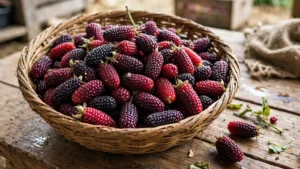
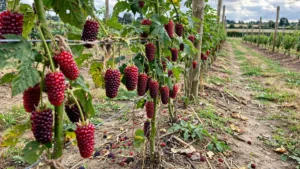
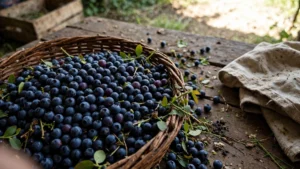
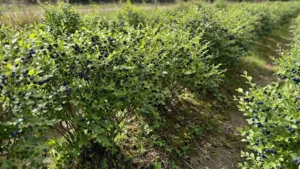
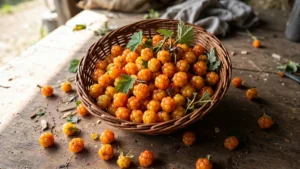
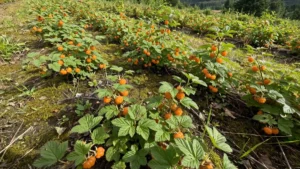
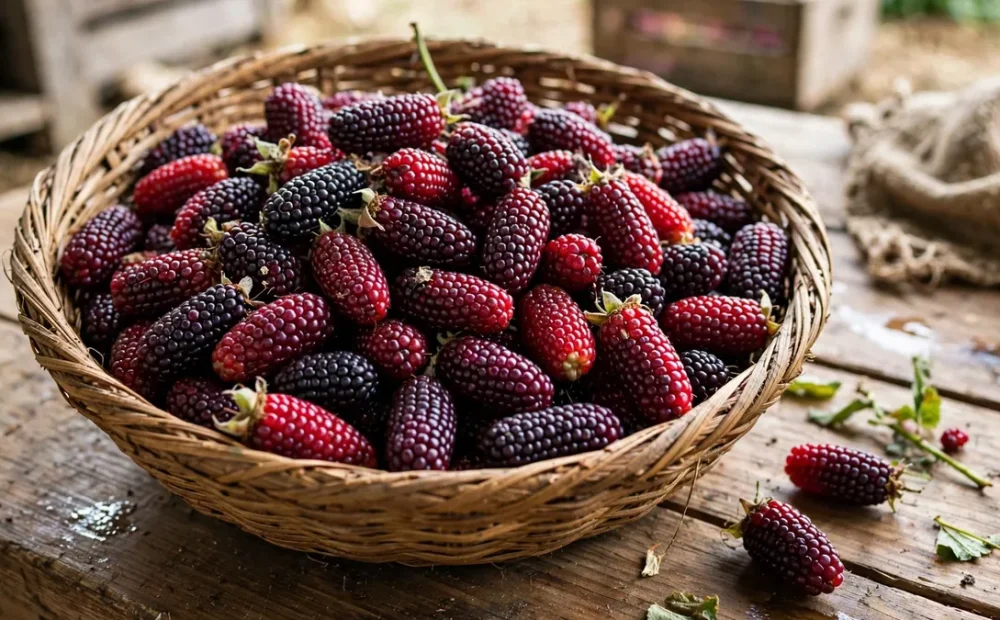
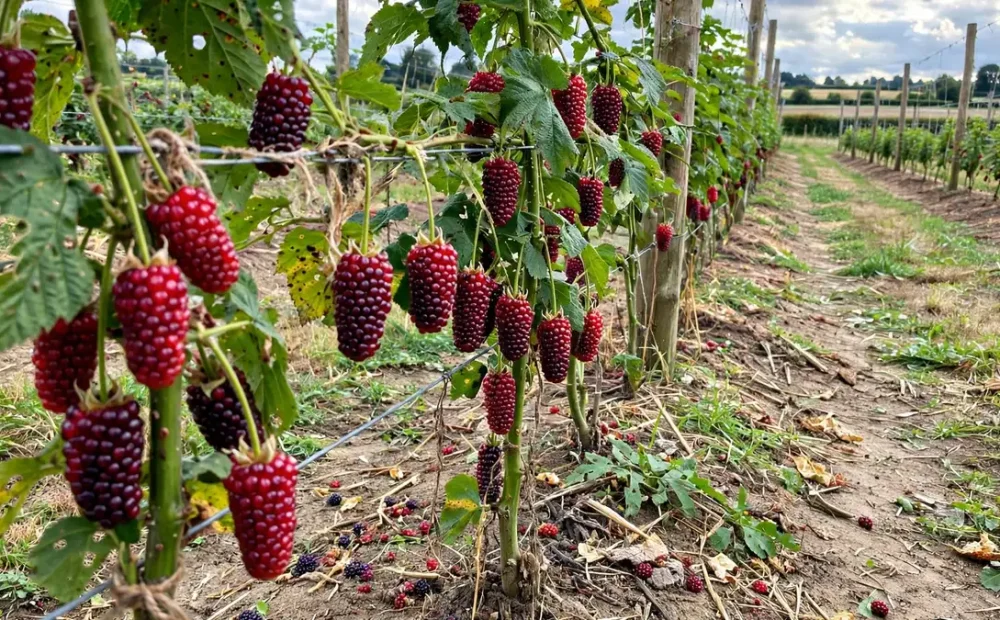
Tayberries arrive in Scotland’s summer with almost no warning. The canes stand tall and thorny through June, and then, in the first weeks of July, the long cones darken to a deep purple-red and soften until they pull free with a gentle tug. The picking window is short — a fortnight of prime fruit on most farms — and a tayberry farm retreat is built entirely around it: a few days on a working berry farm while the harvest is at its best.
A luxury tayberry farm retreat in 2027 puts proper comfort around that brief season — a comfortable room, a kitchen that treats the berry seriously, and a host who knows a tayberry from either parent. The finest stays keep guest numbers low, picking honest, and cooking tied to whatever the canes produced that morning.
We searched for farms that grow tayberries as a serious crop, not a single row tacked onto a raspberry field, that welcome guests into the rows, and that cook with the fruit every day. The nine stays below run from a Tayside smallholding at $65 a night to a Mornington Peninsula estate at $345–$380.
Key takeaways
- Tayberry season is brief — roughly a fortnight of prime picking on most farms — so fix your dates around the harvest, not around the cheapest airfare.
- The strongest retreats grow tayberries as a main crop, invite guests to pick, and cook with the berries at every meal.
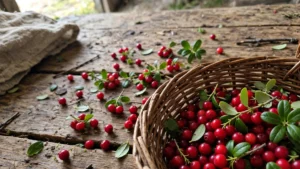
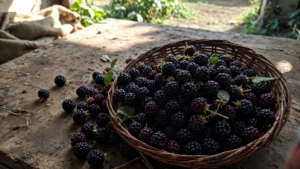
- Pick only fruit that is deep red-purple, soft to the thumb, and loose on the stem; pale or firm berries are sharp and should stay on the cane.
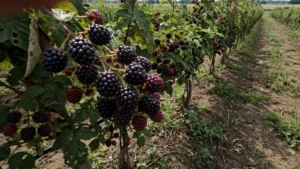
- Tayberries are a Scottish cross of blackberry and raspberry, bred near Dundee in the 1970s, with long cones, thorns, and a sweet-tart flavour — bring gloves and dark clothes.
- Tayberries themselves carry no gluten, but farm kitchens bake with wheat flour and serve bread at nearly every meal — write to the farm about allergies before you pay.
What a tayberry farm retreat actually is
A tayberry farm retreat is a working berry farm that takes a small number of guests during the harvest, usually in July and August depending on the region. Mornings pass in the rows, basket and gloves in hand. Afternoons belong to the kitchen — jam, pies, sauces, and liqueurs — and evenings are for eating what the day produced. Every farm on this list grows tayberries as a genuine crop, with named varieties, trained canes, and a picking calendar the host plans around.
What lifts a stay into the luxury bracket is the quality of the room and the cooking. Rooms have proper beds and private bathrooms, and the kitchen cooks from the farm’s own produce rather than buying food in. On the best stays, the person who walks you through the rows in the morning is the same person who serves the tayberry tart at night.
Tayberries suit this kind of holiday because the fruit is both familiar and unexpected. Anyone who has picked a blackberry will recognise the cane and the thorn, and anyone who has eaten a raspberry will recognise the softness and the scent — but a tayberry is longer, larger, and sweeter than either parent. For a berry trip with a similar unhurried shape, the luxury blackberry farm retreats we covered earlier run on the same pattern of small groups and a host who cooks the harvest.
How we picked these stays, and what to ask first
We began with farms that list tayberries as a main crop, then checked that guests are genuinely allowed to pick, that the rooms are private, and that the kitchen uses the berries daily. We set aside farms that grew a single row for show, or that took more than a dozen guests at a time.

Before you book, ask three questions. First, ask for the picking dates and how solid they are — a farm that names a fortnight instead of a whole season is telling the truth. Second, ask what the rate covers: meals, picking sessions, cooking classes, and lifts from the nearest town all vary. Third, what happens if the season moves — a good farm will move your dates or warn you early, and a farm that refuses to talk about it is one to skip.
The 9 best luxury tayberry farm retreats of 2027
Every stay below is a working tayberry farm first and a guesthouse second, so the picking calendar matters more than the flight schedule. Prices are per night for two guests unless stated otherwise, and every one of the nine was taking 2027 bookings when we checked.
Tayside, Scotland — Tayberry Rows beside the River Tay
What We Like: A small family farm a short drive from Dundee, in the country where the tayberry was bred. The host grows the original Jennings varieties on tall wires and runs a daily jam-making session.
What to Consider: July weather in Scotland can turn quickly, and the farm keeps only four rooms. A car is useful.
Best For: First-time pickers who want the berry’s home ground. Style: Stone farmhouse where breakfast is shared at one long table. Price Range: From $65 a night, with breakfast and a morning picking basket included. Standout Feature: A jam-making session in the farm kitchen every day.
Devon, England — Tayberry Cane Rows in a Sheltered Valley
What We Like: A Devon farm in a valley sheltered from the wind, where the tayberries ripen early and grow large in the mild air. The kitchen serves tayberry jam with cream teas, and the host leads a morning picking session before the heat builds.
What to Consider: The valley lanes are narrow and single-track. Midges appear on still evenings, and the rooms sleep two at most.
Best For: Couples who like gentle picking and long cream teas. Style: Thatched farmhouse with a walled garden. Price Range: From $85 a night, with breakfast and an afternoon cream tea included. Standout Feature: Tayberry jam served warm with scones and clotted cream.
Pembrokeshire, Wales — Tayberry on the Windy Welsh Coast
What We Like: A coastal farm where the canes grow behind stone walls that break the sea wind, and the berries come in dark and sharp from the salt air. The kitchen pairs them with crab apples from the farm’s own trees.
What to Consider: The coast is exposed, so rain and wind can cancel a picking morning. The nearest shop is twenty minutes off, and a car is almost essential.
Best For: Walkers who want berries, sea air, and a proper cliff walk. Style: Whitewashed coastal farmhouse with sea views. Price Range: From $110 a night, with breakfast and a guided cliff walk included. Standout Feature: The morning walk along the cliff path to the sheltered rows.
Brittany, France — Tayberries Growing between the Apple Trees
What We Like: A farm in the apple country where tayberry canes grow between the orchards, and the kitchen cooks with both fruits. The host leads a morning trip to the village market, then a cooking afternoon built on what the market and the rows produced.
What to Consider: The farm sits at the end of a long dirt track, with the nearest shop twenty minutes off. Pick before ten in the morning, ahead of the summer heat.
Best For: Travellers who love markets, hands-on cooking, and slow lunches. Style: Granite farmhouse with a courtyard and a cider press. Price Range: From $135 a night, with breakfast and a market trip plus cooking day included. Standout Feature: A market morning that finishes in the kitchen, cooking what you bought.
Loire Valley, France — Tayberries below the Château Gardens
What We Like: A Loire farm where the tayberry rows sit below a small château garden, and the kitchen turns the berries into sauces for river fish and goats’ cheese. The host runs a proper sauce-making class, and the cellar holds the farm’s own tayberry liqueur.
What to Consider: The farm lies forty minutes from the nearest station, so a car is close to essential. July afternoons get too hot for picking, so the farm works the rows early and cooks once the heat fades.
Best For: Cooks keen to use berries in savoury dishes as well as puddings. Style: Stone farmhouse whose kitchen is set up for teaching. Price Range: From $160 a night, with breakfast and a sauce-making lesson included. Standout Feature: The sauce class that pairs tayberry with river fish and goats’ cheese.
Black Forest, Germany — Tayberry in the Forest Berry Gardens
What We Like: A quiet Black Forest farm where tayberries grow in clearings among the pines, and the kitchen bakes them into cakes in the style of the region’s famous gateau. The host presses tayberry juice in summer and serves it with breakfast through autumn.
What to Consider: The forest roads are winding, so public transport is thin. The rooms sleep two at most, and the farm takes only a handful of guests.
Best For: Walkers and bakers who want berries and forest air together. Style: Timber farmhouse with a herb garden and a wood-fired oven. Price Range: From $185 a night, with breakfast and a cake-baking session included. Standout Feature: The wood-fired oven and the tayberry cakes baked in it.
Niagara Peninsula, Ontario, Canada — Tayberry beside the Wine Rows
What We Like: A Canadian farm on the peninsula where tayberry canes grow beside the vineyards, and the berries ripen large in the lake air. The kitchen bakes them into pies the same afternoon they are picked, and the host leads a morning picking session and then a pie-baking class.
What to Consider: The farm is an hour from Toronto, and the last stretch is a country road. Pick only from the farm’s marked rows.
Best For: Bakers and anyone who wants a proper North American tayberry pie. Style: Private cabins with porches among the vines. Price Range: From $220 a night, with breakfast and a pie-baking class included. Standout Feature: Pick in the morning, then bake a pie with what you gathered.
Central Otago, New Zealand — Tayberry in the High Country
What We Like: A high-country farm where the tayberries grow in the dry mountain air and come in dark and sweet, and the kitchen serves them with the region’s stone fruit and pinot noir. The host walks guests along old fence lines to the best canes.
What to Consider: Mountain weather changes fast, and a cold snap can cut the season short. A car helps for market days.
Best For: Travellers who want berries, wine, and mountain air together. Style: Modern high-country farmhouse with valley views. Price Range: From $260 a night, with breakfast and a guided cane walk included. Standout Feature: A guided walk along the old fence lines to the ripest canes.
Mornington Peninsula, Victoria, Australia — Tayberry on the Southern Coast
What We Like: A Mornington Peninsula estate where the tayberry season runs late, into the southern summer, and the berries are picked in warm, clear air. The kitchen makes tayberry liqueur for sunset.
What to Consider: The estate is an hour from Melbourne and takes in only a handful of guests, so book early.
Best For: Travellers who want the most remote, most polished tayberry stay. Style: Coastal estate with a restaurant and garden suites. Price Range: From $345 a night, with breakfast and a liqueur tasting at sunset included. Standout Feature: The tayberry liqueur made on the estate and served at sunset.
Which tayberry region fits your trip
The right region depends on when you can travel and how much picking you want to do. Scotland and southern England suit a first trip, France and Germany suit cooks, and North America and the southern hemisphere suit travellers who want the trip to be the main event. The luxury raspberry farm retreats we covered earlier run on a summer season that starts a little sooner.
| Detail | What is known |
|---|---|
| Best season | July into August; Mornington Peninsula runs later, into the southern summer |
| Picking window | Two to three weeks per farm, moving with the weather |
| Cheapest stay | Tayside, Scotland, from $65 a night with breakfast and picking |
| Most polished stay | Mornington Peninsula, Australia, from $345 a night with a restaurant and liqueur tasting |
| Best for beginners | Tayside, Scotland, where the host teaches picking on the first morning |
| Best for cooks | Loire Valley, France, for savoury tayberry sauces and a teaching kitchen |
| Gluten | The berries carry no gluten, but kitchens bake with wheat — warn the farm in writing |
| What to pack | Long sleeves, gloves, closed shoes, dark clothes, and a hat |
The caveats that matter
Tayberry picking is honest work, and the thorns are real. On the older thorny kinds, long sleeves and gloves are a must, and even thornless rows carry canes that scratch. The juice dyes any cloth it meets, so pick dark garments you will not mind ruining. Wasps love ripe tayberries, so move slowly in the rows, watch where you put your hands, and tell the host at once if you are allergic to stings.
Not every berry on the cane is ready. Pale berries taste sharp, firm berries are not ripe, and fruit that holds fast to the stem should stay on the cane. The farm will show you the difference on the first morning, and it is worth listening: under-ripe berries make thin jam and a poor pie.
On food, tayberries themselves have no gluten in them, but farm kitchens bake with wheat flour, serve bread at most meals, and sometimes thicken sauces with flour. Flag a wheat or gluten allergy the first time you write, and ask what the kitchen can cook for you. The same holds for other allergies: wasp stings, bee stings, and the farm’s dogs and cats are all worth flagging before you arrive, not once you are there.
Checklist: booking a tayberry farm stay honestly
- Get the picking dates in writing before you book flights.
- Find out what the nightly rate leaves out: meals, picking, classes, and lifts from town.
- Pack sleeves that cover your arms, gloves, shoes that close over your toes, and dark clothes for the rows.
- Tell the farm about allergies — gluten, wheat, and stings — the first time you write.
- Carry notes and coins for the farm shop and the village market stalls.
- Check the cancellation terms in case the season moves by a week.
Frequently asked questions
When is tayberry season?
July into August in most of Europe and North America — usually mid-July to early August — and later on the Mornington Peninsula. Each farm’s window runs two to three weeks, so ask for its picking dates before you commit.
What does a tayberry taste like?
Sweet-tart and dark, with a raspberry perfume and a blackberry depth when fully ripe. Under-ripe berries taste sharp and feel firm; over-ripe ones turn soft and nearly jammy.
How is a tayberry different from a loganberry?
Both are blackberry-and-raspberry crosses, but the tayberry is larger, longer, and sweeter, with a softer texture — it was developed in Scotland in the 1970s, while the loganberry dates to California in the 1880s. Tayberries also hold their shape better in cooking.
Do the farms let guests pick their own tayberries?
Yes, on all nine stays on this list. Picking is the reason for the trip, and each farm sets aside marked rows for guests.
Where should a first-timer stay for tayberries?
Tayside or Devon. Tayside is the berry’s home ground with a patient host, while Devon is gentle and warm, with cream teas waiting after the picking.
Can a gluten-free eater enjoy a tayberry farm stay?
Yes, if you tell the farm in advance. The berries carry no gluten of their own, and most farm kitchens will cook gluten-free meals and bake with other flours if you ask. The luxury loganberry farm retreats we covered earlier follow the same rule: write to the farm first, and ask what the kitchen will cook for you.
The bottom line
A tayberry farm retreat is a short, sweet trip built around a harvest that will not wait. The best stays are small, honest, and close to the rows, and the best time to go is the fortnight the berries turn deep red-purple. Pick Tayside or Devon for a first trip, the Loire for cooking, and the Mornington Peninsula for the polished version.
Plan the trip around the harvest dates, wear clothes the thorns and juice cannot ruin, and tell the farm about allergies before you hand over money. Do those things, and a few days in the rows will send you home with jam, pie, and berries picked by your own hand.