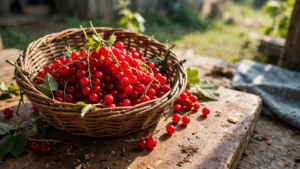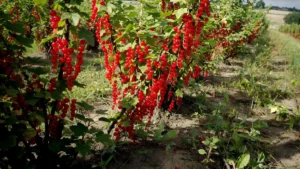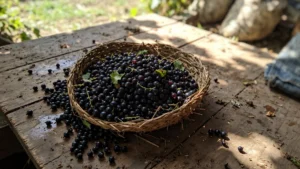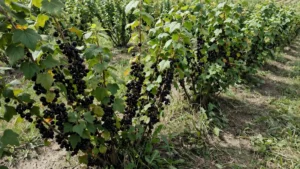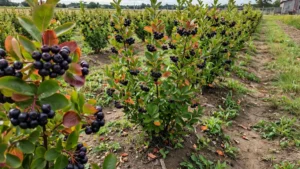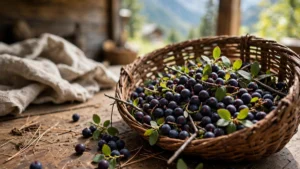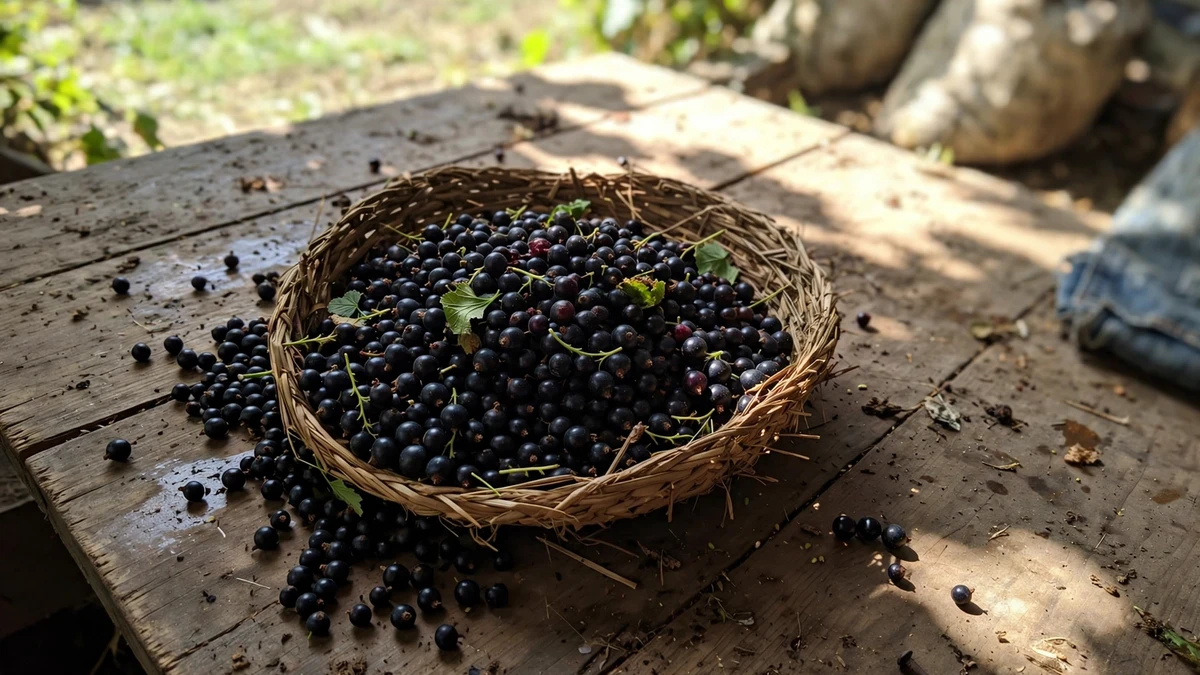

A blackcurrant farm escape is a short trip built around a sharp, dark berry and the farms that cook with it. The bushes fruit for a few weeks in high summer, the berries hang in strigs under the leaves, and the whole stay runs on a simple rhythm: pick in the morning, cook in the afternoon, eat what the day produced in the evening.
Timing is the hard part. Arrive a week early and the strigs are still red; arrive a week late and the best fruit has gone to the birds. Blackcurrants do not wait for a convenient calendar, and the farms will not hold the harvest for a late flight, so the dates have to come before everything else. The nine steps below run in the order that matters, from the first taste to the journey home, and each one heads off a mistake other travellers have already made.
This plan covers a blackcurrant farm escape in 2027, from a Kent smallholding to a cool valley in Otago. Every step is a decision to settle before you pay, and the order is deliberate: flavour first, dates second, the farm third, and the packing last.
Key takeaways
- The harvest lasts a few weeks in high summer, so the picking dates shape everything else about the trip.
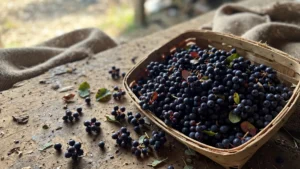
- Ripe blackcurrants are black through and through, soft under the thumb, and slip off the strig with a gentle pull; red or firm berries are sour.
- Raw blackcurrants are sharply tart, which makes the farm’s cooking more important here than on a sweet-berry holiday.
- A farm walk and a tasting are usually in the rate, while meals, lifts, and preserving sessions are often charged separately.
- Raise any wheat allergy with the farm before you book, because the kitchen bakes bread and cakes every morning and flour gets everywhere.
What a blackcurrant farm escape involves
On a blackcurrant farm escape you sleep within reach of the rows and let the harvest set the hours. Mornings begin among the bushes with a bucket, afternoons belong to the kitchen, and evenings end with whatever the day produced on the table. The fruit comes in strigs, a few at a time, so there is always something to gather while the season runs.
The difference from an ordinary farm holiday is the crop at the centre of it. One berry shapes the whole stay: cordial at breakfast, jam at lunch, a dark sauce over pudding after dinner. Rooms are plain, the host works the fields, and nobody keeps a timetable when the bushes are fruiting.
Before you pay, sort out what the nightly rate actually covers. A handful of these stays are working farms first, with simple bedrooms and a host out pruning before breakfast. The rest are comfortable guesthouses set inside a fruit farm, with more ease and less farm work on show. Both can be excellent, but they are different trips, and the price tends to reveal which one you are buying. The blueberry farm escape guide we published earlier works the same way: get the inclusions in writing before the photographs decide for you.
How to plan it, and what to ask first
Choose stays where the blackcurrant bushes are genuine and central, not decoration. A strong escape grows its own fruit, lets guests walk the rows or taste as part of the stay, and tells the truth about what happens once the fruiting season ends.
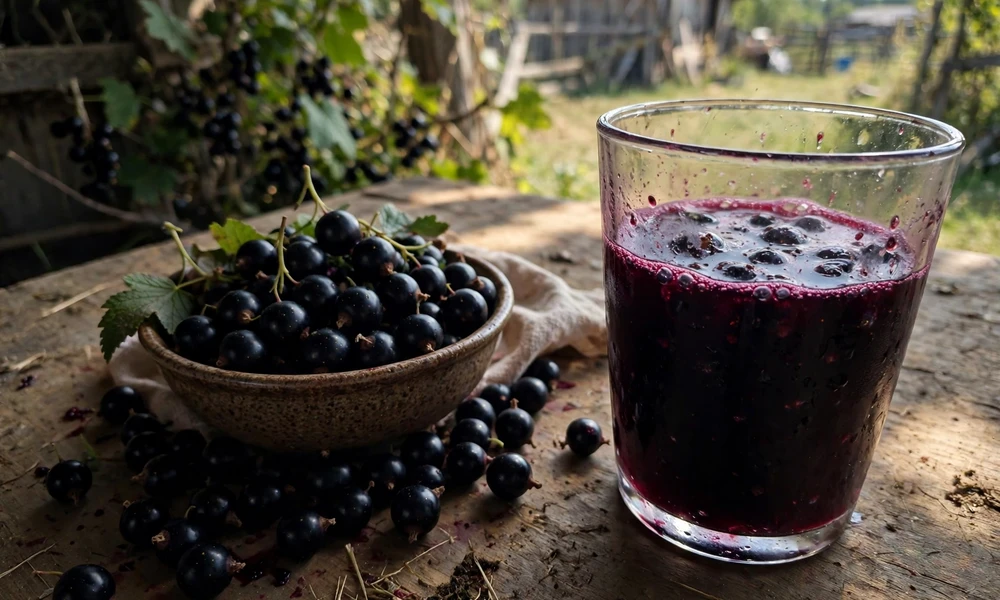
Start with the season. The fruit comes in a short burst through high summer, and the peak shifts by country. Kent and Herefordshire gather from July into August, with the earliest varieties leading the way. Scotland gathers later still, and New Zealand gathers while the northern farms rest.
Then pin down what the price includes. A row walk, a tasting, and a preserving session are three separate things, and some stays price each one on its own. Check whether breakfast sits in the rate, whether the garden is shared, and whether the host speaks a language you can manage. When every charge is listed plainly before you book, the farm is usually run with care. The cranberry farm escape guide we published earlier is built the same way: small stays where the booking details count for more than any star rating.
The 9 steps to plan a blackcurrant farm escape
Taste cordial at a stall before you book
What to do: Find a farmers market stall selling blackcurrant cordial or jam and taste it before you book anything. The flavour is the whole trip, and one spoonful tells you whether the tart, wine-like edge suits you. If the stall sells more than one variety, try them side by side: the early kinds are bright and sharp, while the late ones run darker and rounder. What to avoid: Booking a farm stay on the strength of photographs alone, before you know whether you like the berry. Best for: Travellers who have never tasted a blackcurrant. Time needed: Half an hour at a market stall. Standout tip: Taste the cordial diluted and neat, and ask the stallholder which variety it came from.
Ask when the bushes bear, and get it written down
What to do: Write to two or three farms and ask for their picking dates in writing, then arrange flights around the overlap. The bushes fruit for a few weeks, and the dates move with the weather, so a farm that offers a fortnight rather than a month is telling the truth. What to avoid: Booking cheap flights first and hoping the berries wait for you. Best for: Anyone travelling far for the harvest. Time needed: An evening of emails. Standout tip: Ask which variety ripens on your dates, since early and late kinds taste different.
Let the farm’s own bottling decide it
What to do: Choose the farm whose kitchen turns the berries into cassis, cordial, or jam on the premises. A farm that cooks its crop is a farm that cares about it, and the tasting will show you the difference in one spoonful. Ask how the cordial is made, too: the best farms simmer the berries slowly and bottle the result themselves, rather than buying it in. What to avoid: A stay where the berries are sold on and the kitchen buys its jam in jars. Best for: Food lovers who want the cooking as much as the picking. Time needed: An evening reading menus. Standout tip: Ask to see the menu for your week before you book.
Practise the tug that frees a strig
What to do: Tell the farm when you book that you want to pick, and ask how it works: a guided row walk, a bucket of your own, or a morning with the crew. Blackcurrants come away from the strig with a gentle pull when they are ready, and the farm will show you the test on the first morning. What to avoid: Assuming picking is included; some farms keep the harvest to the crew because the bushes bruise easily. Best for: Travellers who want their hands in the work. Time needed: A morning in the rows. Standout tip: Pick only berries that are black all the way through and soft under the thumb.
Book the bedroom that wakes with the picking
What to do: Ask for a room facing the rows rather than the road, and check whether it has shade, a fan, or air conditioning for the warm afternoons. A window over the bushes means you wake to the picking, and you can judge the weather for the day before you dress. The best rooms let you watch the picking from the window and hear the farm wake up. What to avoid: A room over the farmyard, where the early tractors start before dawn. Best for: Light sleepers who rise early. Time needed: Ten minutes on the booking call. Standout tip: Ask which way the window faces at sunrise, when the rows look their best.
Send the allergy note before any money moves
What to do: Tell the farm about any wheat or gluten allergy in your first message, and ask what the kitchen will cook for you. The berries contain no gluten, but the bread and cakes baked each morning do, and flour travels easily in a small kitchen. What to avoid: Mentioning it at the table on the first night, when the menu is already set. Best for: Anyone with a wheat allergy or coeliac disease. Time needed: One email before you book. Standout tip: Ask whether the farm bakes with alternative flours, and what it serves at breakfast.
Dress in colours the juice cannot ruin
What to do: Pack dark clothes you do not mind ruining, long sleeves, gloves, and closed shoes, plus repellent for the midges that gather on still evenings. A hat helps as well: the sun is strong over the rows by mid-morning, and there is little shade between the bushes. Blackcurrant juice stains everything it touches, and the bushes are scratchy. What to avoid: White linen, open sandals, or a favourite jacket in the rows. Best for: Anyone planning a proper picking morning. Time needed: An evening packing. Standout tip: Bring a spare dark shirt for the day after picking, when the first one is stained.
Book a place at the preserving session
What to do: Ask whether the farm runs a preserving session and book a place. Watching jam set or cordial bottled is the part of the trip most guests remember, and you leave with jars made from berries you picked yourself. What to avoid: Treating the kitchen as a show; it is a working room, and the host will expect you to stir, skim, and wash up. Best for: Cooks and anyone who wants to take the trip home in a jar. Time needed: A morning in the kitchen. Standout tip: Ask the host to label your jars with the picking date and the variety.
Take the bottles home; leave the berries
What to do: Buy cordial, jam, or cassis in sealed bottles at the farm shop, and pack them carefully for the journey home. Choose the farm’s own labels over anything bought in: the flavour is stronger, the story is yours, and the money stays with the grower. Cooked blackcurrant keeps for months, and a bottle on the shelf will outlast any photograph. What to avoid: Carrying fresh berries home; they crush in a bag, stain everything, and spoil within days. Best for: Travellers who want the flavour to last. Time needed: Half an hour browsing the farm shop. Standout tip: Ask the farm to wrap the bottles in straw or cloth so they survive the flight.
Picking the right season and region
The most traditional fruit grows in Kent or Herefordshire, where the bushes are a working crop and the bucket reaches the table at every meal. The most dramatic setting is Angus, where the farm sits in cool air above the sea. The richest flavours come from Burgundy, where the sun is strong and the harvest becomes cassis. New Zealand suits travellers who want the season twice: Canterbury picks while the northern farms rest, and Otago follows a few weeks later.
Kent is the simplest place to start: the farm knows its guests, the season is generous, and the kitchen cooks with the fruit every day. The raspberry farm escape guide we published earlier points the same way: choose the farm that cooks with its crop daily, and the trip mostly looks after itself.
The caveats that matter
A blackcurrant farm escape is lovely, but it suits some travellers better than others. The fruit keeps to its season, the farms sit far from any town, and the honest stays say plainly what is ripening and what is not.
| Detail | What is known |
|---|---|
| When to travel | High summer, while the bushes are bearing; the dates move with the country |
| Early and late kinds | Early kinds fruit first in July; late kinds come in August and keep their flavour for longer |
| Spotting ripe fruit | Black through and through, soft to the touch, and slipping off the strig with ease, with no red left on the skin |
| Usually in the rate | Room and breakfast plus a row walk or tasting; preserving sessions and lifts are often extra |
| Best suited to | Slow travellers, food lovers, and families with older children |
| Think twice if | You want nightlife, quick service, or a full daily programme |
| Getting there | Usually an hour or more from the closest airport; arrange the lift before you arrive |
| Never promised | Berries on your dates; the crop depends on weather, season, and the bush’s own rhythm |
No gluten sits in the berries themselves, yet the farm kitchen bakes bread and cakes each morning, so ask how it keeps flour off your plate. The fruit is tart and keeps best cooked, so eat it on the day it is picked and take cordial home instead of fresh berries. Before you pay, think about the practical side if you have a health condition, are expecting, or travel with small children: how far the nearest clinic is, when the farm last sprayed, and whether the paths suit little feet.
Checklist: before you book a blackcurrant farm escape
Go through these checks before you pay, then again in the week before you travel.
- Confirm the fruiting: will the bushes be bearing on your dates, not just whether the farm is open?
- Confirm the inclusions: row walk, tasting, meals, and lifts, and which ones cost extra.
- Confirm the journey: how long is the airport drive, and will the farm send a car?
- Confirm the bedroom: does the window face the rows or the garden, and is there shade, a fan, or air conditioning?
- Confirm the growing: how big is the field, is it organic, and when was it last sprayed?
- Confirm recent guests: find travellers who went in the same season as your planned trip.
Frequently asked questions
How many nights should a blackcurrant escape run?
Three or four nights is enough. The picking runs for a few weeks, and a short stay lands you in the middle of it without tiring of the rows. Longer stays suit travellers who want to join the preserving as well as the picking.
Is a hire car essential on a blackcurrant farm?
Usually, yes. The farms sit an hour or more from the nearest town, and public transport is thin in the fruit-growing districts. Some farms send a car to the station if you ask when you book.
Can guests join the picking?
Yes, at most farms, provided a guide walks with you and you ask first. Some farms give guests a bucket for a few strigs, while the rest leave the harvest to the crew because the bushes bruise easily. Say so when you book.
Early or late varieties — which ripens when?
Early varieties ripen first in July and are sharp and bright; late varieties follow into August, hold their flavour longer, and are often darker and sweeter. The farm will tell you which kind is fruiting on your dates.
Can children come on a blackcurrant farm escape?
Yes, for older children who like picking and cooking. The bushes are scratchy and the juice stains, so small children need watching in the rows, and the preserving kitchen is hot work.
How do coeliac travellers eat safely here?
Flag it when you book. The berries themselves are gluten-free, and the rice dishes are usually fine. The risk sits in the bread and cakes baked each morning, so ask the farm how it keeps flour off your plate.
The bottom line
A blackcurrant farm escape fits travellers who like their food to come from the bush beside them, and who are glad to let the picking set the day. The fruit is tart, the season is brief, and the strongest stays pick it, serve it fresh, and cook the rest into jam and cordial without any fuss.
Choose the region by what matters most to you: the hop country of Kent, the cassis farms of Burgundy, or the wide plains of Canterbury — and take the cordial home sealed, not the berries themselves. A bottle on the shelf will keep long after the photographs fade.