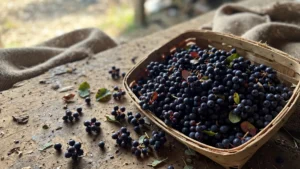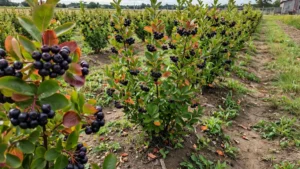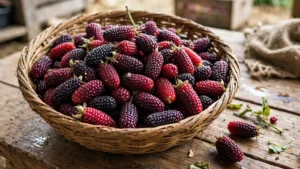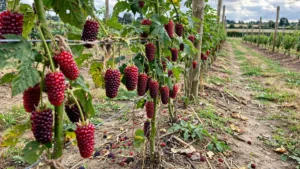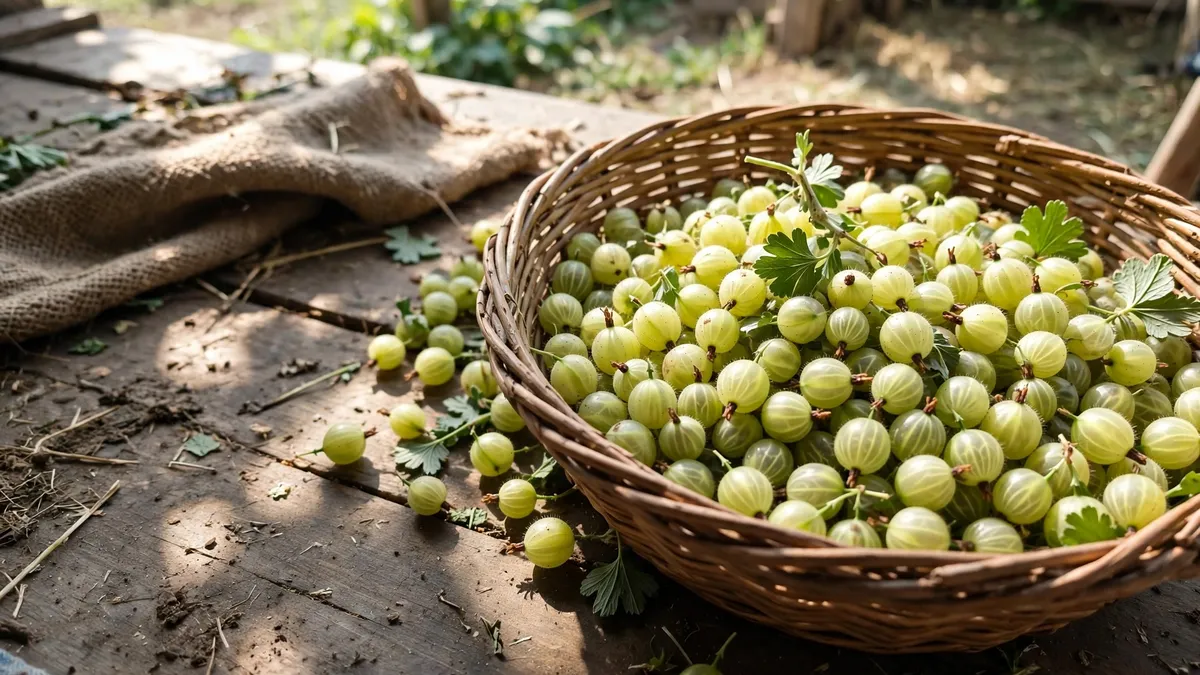
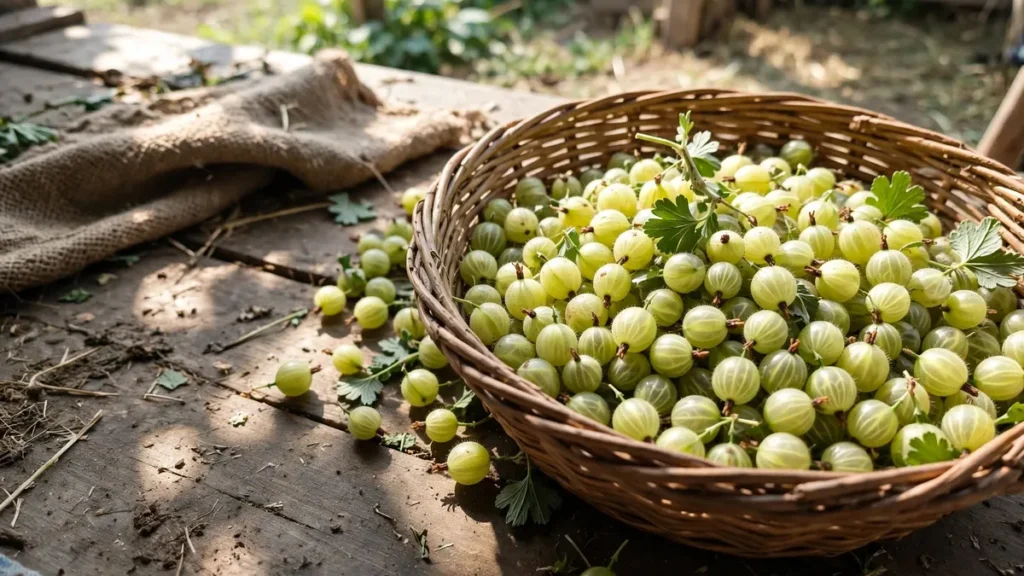
A gooseberry farm escape is two or three nights on a working berry farm, timed for the short window when the fruit turns soft. You arrive while the bushes are still hard and green, you wake to a punnet on the breakfast table, and by the second morning you are picking with gloves on and jam on your fingers. It is a small, slow holiday, and the berry sets the pace.
Why plan it at all, when the fruit grows in any English garden? Because the farms on this list grow dessert varieties you will not find in a shop, and because a farm kitchen turns a tart berry into fool, crumble, and wine in a single day. The difference between a punnet from a supermarket and a punnet picked an hour ago is the whole trip.
The nine steps below take you from a first taste at a market stall to a booked room facing the rows, with the questions to ask and the packing to do along the way. Work through them in order, and the farm will mostly take care of itself.
Key takeaways
- Gooseberry season is short — a few weeks in early summer — so the picking dates matter more than the flight price.
- Cooking kinds stay sharp and belong in the oven, while dessert kinds sweeten on the bush and can be eaten raw.
- The room usually covers a row walk and a tasting, while meals, lifts, and jam sessions are often charged on top.
- The fruit has no gluten in it, yet farm kitchens bake with wheat flour each morning, so flag an allergy in your first note.
- Ask for the picking dates in writing before you pay for anything, because an open farm is not always a bearing farm.
What a gooseberry farm escape involves
Expect a simple room at the edge of the rows, a shared garden, and a host who prunes the bushes before breakfast. The day starts early, with the host walking the rows and the guests filling a punnet, and breakfast arrives with the fruit still cool from the morning. Nothing is rushed, and nothing is staged: the farm is a working place that happens to have rooms.
After breakfast the day loosens. There might be a fool-making session in the kitchen, a walk to the farm gate stall, or a drive to the nearest village for supplies. Evenings are quiet, the kitchen cooks with whatever came off the bushes that day, and the conversation at the table is mostly about the weather and the fruit. It is a holiday for people who like their food to come from the field they are standing in.
First-time farm travellers do well here, because the farms are small, the hosts are used to guests, and the fruit is easy to understand. Families with older children do well too, as long as everyone can manage early mornings and stained hands. Anyone chasing nightlife, quick service, or a packed daily programme should look elsewhere. Our guide to planning a strawberry farm escape makes a similar point: choose the farm that cooks with its crop every day, and the rest follows.
How to plan it, and what to ask first
Start with the calendar, not the map. The bushes bear in a short burst in early summer, and the peak moves with the country. Yorkshire and Cheshire pick from late June into July, with dessert kinds coming a week or two after the cooking ones. Normandy and the Netherlands gather through July, while Tasmania picks while the northern farms rest.
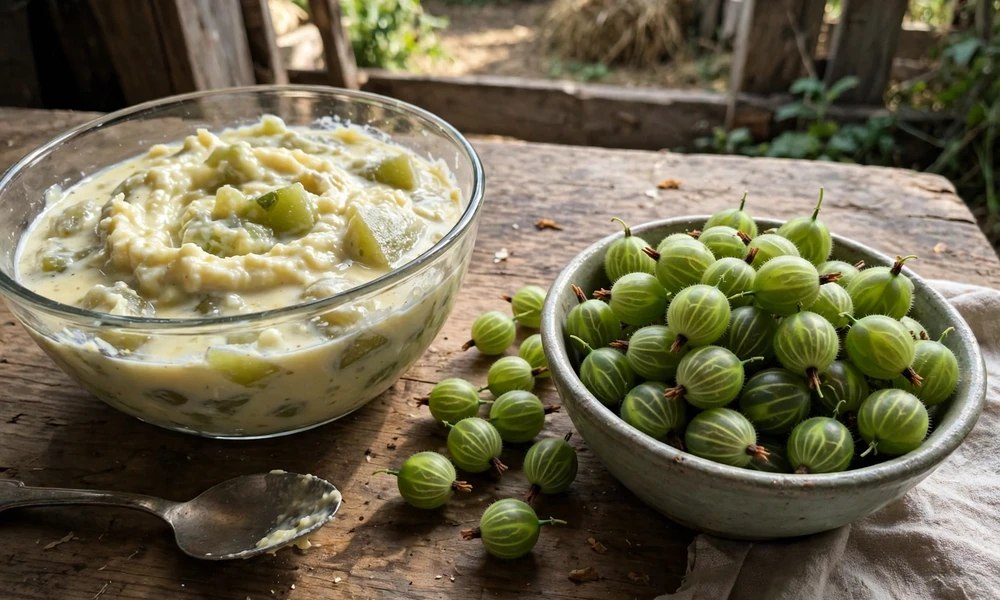
Next, work out what the rate covers. The row walk, the tasting, and the jam session are three separate things, and some stays bill each one apart. Find out whether breakfast comes with the room, whether the garden is shared, and whether the host speaks a language you can manage. A stay that sets all of this out plainly before you book is usually well run. The guide to planning a blackberry farm escape makes the same point: settle the inclusions in writing before the photographs win you over.
The 9 steps to plan a gooseberry farm escape
Taste a dessert gooseberry at a market stall
What to do: Buy a punnet of fresh gooseberries at a market and eat them slowly, working out whether you like them tart or sweet. A market punnet costs little, and it teaches you more about the fruit than any photo ever will. The flavour you prefer points to the region: cool climates give sharper fruit, warm ones sweeter. What to avoid: Picking a region from photographs alone, without knowing whether you like the fruit tart or sweet. Best for: Travellers who have never tasted a farm gooseberry. Time needed: One afternoon at the market stalls. Standout tip: Taste both cooking and dessert kinds if the stall has them, because they fruit weeks apart.
Work out which gooseberries are for pies and which are for eating
What to do: Learn the two kinds before you commit: cooking kinds stay sharp and suit pies and jam, while dessert kinds sweeten on the bush and can be eaten straight from it. Choose the kind that matches how you like to eat, and the region follows. A farm that grows both kinds gives you the full range in one trip. What to avoid: Booking a farm that grows only cooking kinds and expecting to eat the berries raw. Best for: Travellers who shape trips around food. Time needed: One evening with the farm menus. Standout tip: Ask the farm which kinds it grows, and when each one ripens.
Nail down the picking fortnight, then sort the flights
What to do: Ask each farm for its picking dates, then book flights landing a day before picking starts. The bushes bear for a few weeks at a stretch, and the best berries come mid-flush. What to avoid: Booking flights first and hoping the bushes cooperate, because an open farm is not always a bearing farm. Best for: Travellers with dates that can bend. Time needed: One afternoon sending messages. Standout tip: Aim for the middle of the flush, when the berries are at their softest.
Pick the farm whose fool you would cross a county for
What to do: Read what each region makes with its fruit: fool in Kent, crumble in Gelderland, tarts in Herefordshire, compote in Bavaria. Choose the kitchen that excites you, and the scenery follows. A farm that serves its own fruit at every meal is doing the real work; one that buys in its jam is not. What to avoid: Choosing a region for the view and finding a kitchen that never cooks with its own fruit. Best for: Travellers who plan their trips around the dessert menu. Time needed: One evening reading menus. Standout tip: Ask the farm what it served for lunch yesterday, and judge it by the answer.
Find out if you can pick berries yourself on the farm
What to do: Ask whether guests may join the morning picking, and whether the farm hands out punnets or does the picking itself. Some farms welcome guests in the rows; others keep picking to the crew because the bushes are thorny and easy to damage. What to avoid: Assuming you can pick, then finding the rows closed to guests on arrival. Best for: Travellers who want to work in the rows, not only watch. Time needed: One short note before you book. Standout tip: Ask what time the crew starts, and set an alarm.
Ask for a room with a window over the gooseberry rows
What to do: Ask for a room that looks over the bushes rather than the car park, and confirm it in writing. The view is part of the trip, and the rooms that face the rows usually go first. What to avoid: Accepting the last room going and spending your mornings facing a plain brick wall. Best for: Travellers who want the farm right outside their window. Time needed: Ten minutes when you book. Standout tip: A room at the end of the row is quieter than one near the farm gate.
Warn the kitchen about wheat in your first email
What to do: Mention any wheat or gluten allergy in your first note, and ask what the kitchen will cook for you. The fruit itself has no gluten, but farm kitchens bake crumbles and tarts each morning and flour travels easily. What to avoid: Leaving it until the first night’s dinner, when the kitchen has already finished baking. Best for: Travellers living with a wheat allergy. Time needed: One short email before you pay anything. Standout tip: Ask how the kitchen keeps flour off your plate, and listen out for a real answer.
Pack stout gloves and a broad hat for the rows
What to do: Pack closed shoes, a hat and long sleeves for the rows, and gloves for the picking punnet. The bushes are thorny, the sun is strong by midday, and the paths turn muddy after rain. What to avoid: Turning up in sandals and a short-sleeved shirt, and spending the morning scratched and burnt. Best for: Anyone planning to pick. Time needed: One evening packing a bag. Standout tip: Pack a light layer for the evenings, because the air cools fast after sunset.
Buy jam in jars and skip the fresh fruit at the gate
What to do: Buy sealed jars of jam and bottles of gooseberry wine from the farm shop, and pack them carefully in your bag. Jam keeps for months, while fresh berries bruise on the way and rarely survive the journey home. What to avoid: Filling a punnet with fresh berries at the farm gate and finding them squashed and leaking by landing. Best for: Travellers who want the trip to linger past the drive home. Time needed: A short while in the farm shop. Standout tip: Have the farm seal the jars in front of you, and check the lids before you pack them.
Picking the right season and region
For the most traditional fruit, head to Yorkshire, where the bushes are a working crop and the punnet reaches the table at every meal. For the wildest setting, pick Bavaria, where the farm sits at the forest edge in cool, damp air. For the boldest flavours, choose Normandy, where the sun is fierce and the harvest is heavy. The bushes fruit in a short burst, so a farm can look generous one week and bare the next. Yorkshire suits a first trip too, because the farms are used to guests and the fruiting window is long.
For a first trip, Yorkshire is the easiest pick: the farm is used to guests, the season is generous, and the kitchen cooks with the fruit every day. Ask the host straight out when the bushes will be bearing, and book the room facing the rows. The rest of the trip mostly looks after itself. Our guide to the raspberry farm escape makes a similar point: choose the farm that cooks with its crop every day, and the trip mostly takes care of itself.
The caveats that matter
Gooseberry farm escapes are lovely, but not for everyone. The berries follow the seasons, the farms sit a long way from town, and the good stays say plainly what is ripening and what is not.
| Detail | What is known |
|---|---|
| Best time to visit | Early summer, when the bushes are bearing; the window moves by country |
| The two main kinds | Cooking kinds stay sharp and suit pies and jam; dessert kinds sweeten on the bush and can be eaten fresh |
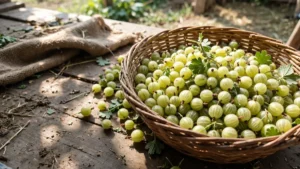
| How ripe fruit looks | Soft and translucent, green or flushed red, with no hardness left in the skin |
| What is usually included | Room and breakfast plus a row walk or tasting; jam-making and transfers often cost extra |
| Who should go | Slow travellers, food lovers, and families with older children |
| Who should think twice | Anyone after nightlife, quick service, or a full daily programme |
| Transfers | Usually an hour or more from the closest airport; book the lift before you arrive |
| What is not guaranteed | Berries on your dates; the crop leans on weather, season, and the bush’s own rhythm |
Gooseberries carry no gluten themselves, yet the farm kitchen bakes crumbles and tarts each morning, so work out how it keeps flour away from your plate. The berries are tart and keep well, so eat them on the day they are picked and carry jam home rather than fresh fruit. Before you book, think about the practical side if you have a health condition, are expecting, or travel with small children: where the nearest clinic sits, when the farm last sprayed, and whether the paths suit little feet.
Checklist: before you book a gooseberry farm escape
Run through these checks before you pay, then once more in the week before you travel.
- Ask for the fruiting dates: find out whether the bushes will be bearing on your dates, not merely whether the farm is open.
- Ask what is covered: the row walk, the tasting, the meals, and the transfers, and which ones cost extra.
- Work out the journey: how long is the airport drive, and does the farm send a car?
- Look at the bedroom: does it face the rows or the garden, and does it have shade, a fan, or air conditioning?
- Ask about the growing: how many acres does the field cover, is it organic, and when did it last spray?
- Read recent reviews: find guests who visited in the same season as your planned trip.
Frequently asked questions
How long should a gooseberry farm escape last?
Two or three nights does it. The first day is for settling in and walking the rows, the second for picking and fool-making, and the third for the market run and the drive home. Longer stays suit travellers who want to slow down more, but the fruit keeps for days, so there is no need to linger for the berries alone.
Do you need a hire car for a gooseberry farm?
Usually, yes — the farms sit an hour or more from the closest airport, and the local buses run thin. A small car gives you the run of the valley and a way to reach the market early in the morning. If the farm sends a car, you can skip it, but have the lift in writing before you book.
Can guests pick their own berries on the farm?
Yes, at most farms, so long as you walk with a guide and ask ahead. Some farms give guests a punnet for a few berries, while others do the picking themselves because the bushes are thorny and easy to damage. Bring it up when you book, and wear gloves and long sleeves, because the thorns are sharp.
What is the difference between cooking and dessert gooseberries?
Cooking kinds stay sharp even when ripe, and the fruit suits pies, jam, and crumble. Dessert kinds sweeten on the bush, and the fruit can be eaten straight from it once it turns soft and translucent. The cooking fruit ripens earlier, because the farm picks it hard, but the season is shorter.
Can children enjoy a gooseberry farm escape?
Yes, for older children who can manage early mornings and stained hands. The picking is hands-on and the fool-making is fun, but the rows are wide and the paths are rough, so small children need watching. Ask the farm whether it has a cot, and whether the paths suit small feet.
What should a gluten-free traveller ask the kitchen?
Raise it when you book. The berries carry no gluten, and rice dishes are mostly safe. The risk is the crumbles and tarts baked each morning, so ask the farm how it keeps flour off your plate, and make sure the answer is a real one before you pay.
The bottom line
A gooseberry farm escape suits travellers who like their food to come from the bush they are standing beside, and who are happy to let the picking set the day. The fruit is tart, the season is short, and the best farms are the ones that pick it, serve it fresh, and fold the rest into fool without any fuss.
Pick the region by what you want most: the show tables of Yorkshire, the orchards of Normandy, or the forest edge of Bavaria — and carry the jam home sealed, not the berries themselves. A jar of it outlasts any photograph.