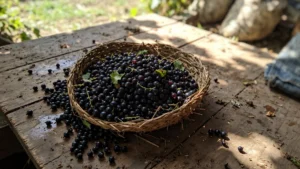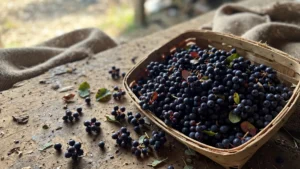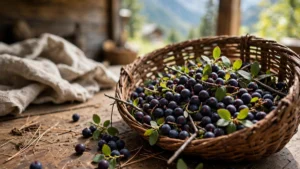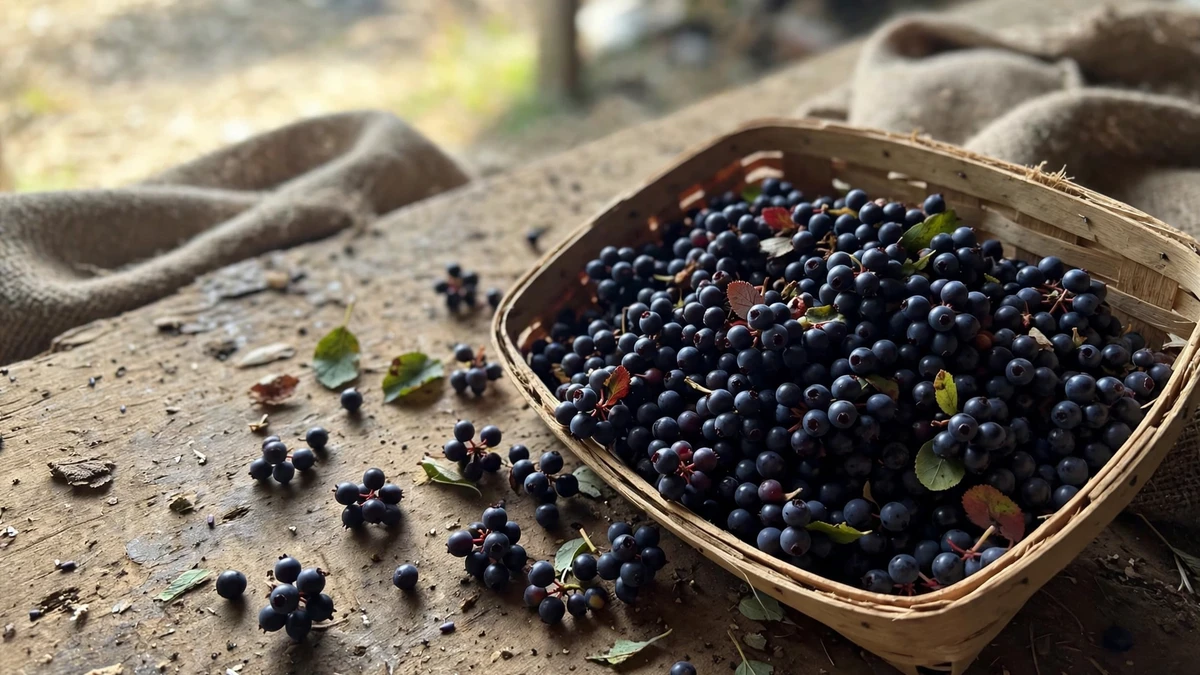

Chokeberry was never meant to be eaten off the bush. The berry ripens dark and soft on the shrub, and then it waits for the press, the pot, and the sugar — without them it is a mouthful of tannin that dries the tongue and leaves you reaching for water. A chokeberry farm escape is built around that wait: a few days on a working aronia farm in late summer, picking in the mornings, pressing in the afternoons, and eating what the kitchen made from the harvest at night.
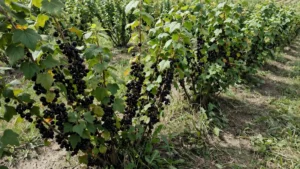
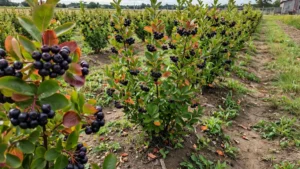
The farms are small and the work is real. The shrubs grow in long rows, the berries hang in heavy clusters, and the pressing shed smells of crushed fruit and hot sugar. Guests who enjoy it most are the ones who arrive ready to work — gloves on, dark clothes, and an interest in how a harsh berry becomes a drink worth bottling.
Planning one takes nine steps, and none of them is hard: taste the juice, pin down the blackening of the berries, pick a farm for its press, check what guests are allowed to do, and settle allergies, clothes, and money before you pay. The nine steps below run in order, and each one names the mistake to avoid.
Key takeaways
- Fix your travel dates around the berries turning black and soft — the season lasts two to three weeks and follows the weather, not the flight timetable.
- Ask which jobs guests are allowed to join before you pay — picking, pressing, jam making, and tastings are not the same on every farm.
- The juice stains skin and cloth a deep wine colour, so bring gloves, dark clothes, and an apron you can spoil.
- Mention allergies in your first message, and ask what the kitchen will make for you.
- Chokeberries carry no gluten themselves, but farm kitchens bake with wheat — write to the farm before paying, not after.
What a chokeberry farm escape involves
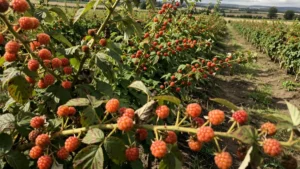
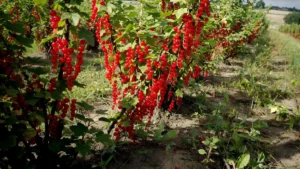
Most chokeberry escapes last three to five nights on a working aronia farm in the middle of the harvest, in late August and September across most regions. The day starts in the rows with a bucket and gloves, moves to the pressing shed for crushing and juicing, and ends at a table eating what the day produced. The farms that do this well keep numbers low, often under a dozen guests, so the host learns your name by the second morning. Evenings are quiet by design — supper, a walk past the rows, and an early night before the next morning’s picking.
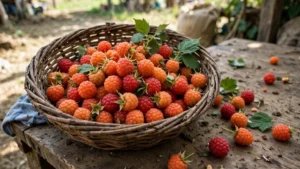
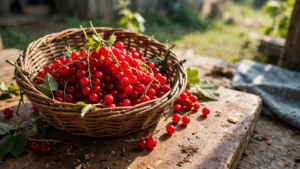
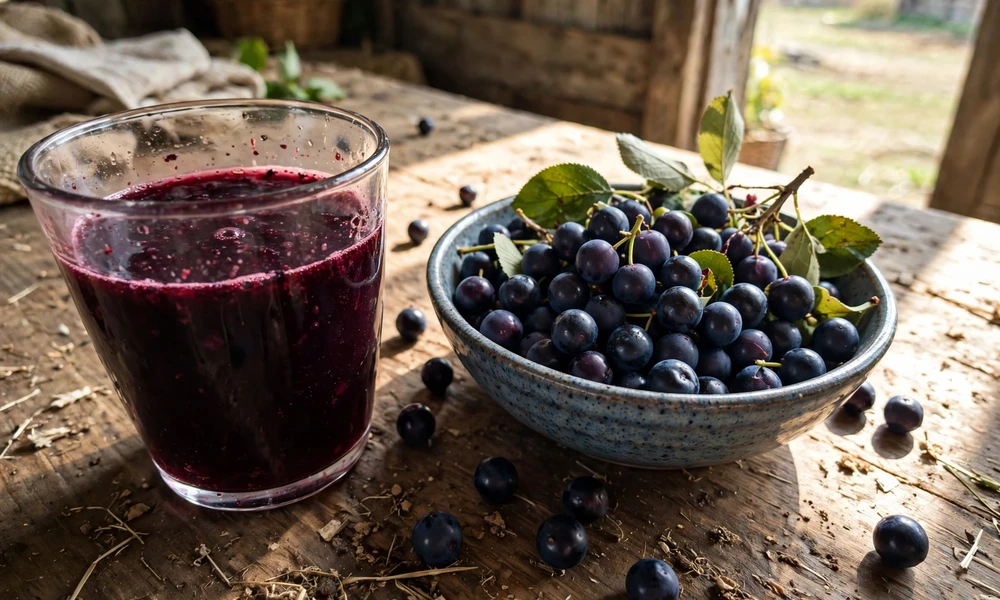
The berry itself shapes the trip. Chokeberries grow on hardy shrubs, and the fruit hangs in clusters that darken to a deep black-purple as they ripen. A ripe one comes away soft and stains the fingers at once, and it tastes dry and astringent until it is cooked. Because the clusters are heavy and the season is short, the farm presses with them every single day. For a berry trip with a similar unhurried shape, the elderberry farm escape guide we wrote earlier runs on the same pattern of small groups and a host who cooks the harvest — though elderberry syrup is gentler on the tongue than chokeberry juice.
Rooms are plain and clean, meals are cooked from the farm’s own produce, and the evenings are quiet. Nobody comes to a chokeberry farm for nightlife. They come for the press, the kitchen, and the jars they carry home.
How to plan it, and what to ask first
Start with the season, not the flight. Chokeberries blacken over a fortnight, and the pressing follows the blackening, so a farm that gives you a week, not a month, is telling the truth about its crop. Ask for the pressing dates in writing before you look at flights.
Then ask what the rate covers. A picking walk, a pressing session, a jam class, and a tasting are four separate things, and some farms bill each one apart. Check whether breakfast comes with the room, whether the garden is shared with other guests, and whether the host speaks a language you can manage in. A farm that spells out every charge before you book is usually run with care. The sea buckthorn farm escape guide we covered earlier follows the same shape: tart fruit needs a kitchen that knows its own recipes, and the booking details matter more than any star rating.
The 9 steps to plan a chokeberry farm escape
Step 1: Taste the juice before you promise yourself a week of it
What to do: Buy a bottle of chokeberry juice or syrup before you book, and drink it diluted as the label suggests. If you enjoy the dark, wine-like flavour, the farm will suit you. If the astringency puts you off, a softer berry trip will suit you better. What to avoid: Booking on the strength of photographs alone, without knowing whether you like the taste. Best for: Travellers who want to know the flavour before the farm. Time needed: An evening at home with a bottle. Standout tip: Taste it with honey and sparkling water, the way the farms serve it.
Step 2: Hold off on travel until the berries have turned black
What to do: Ask the farm for its blackening dates — the week the berries turn deep black and soft — and book your travel inside that window. A farm that answers with a fortnight is honest; one that promises the whole summer is not. What to avoid: Booking flights first and hoping the harvest follows. Best for: Travellers with flexible dates who can shift by a week. Time needed: One message to the farm, and a day to hear back. Standout tip: Ask for the previous year’s blackening dates too, so you can see how much the window moves.
Step 3: Judge the farm on its press, not on its pictures
What to do: Ask what kind of press the farm runs and how often it presses during your stay. A wooden screw press or a modern press house both work, but a farm that presses daily will teach you more than one that presses once. Watch how the crew handles the pulp and how the juice is drawn off, because the pressing method decides the flavour of everything the farm bottles. What to avoid: Picking the prettiest house and discovering the press is a decoration. Best for: Travellers who want the work at the centre of the trip. Time needed: An afternoon comparing farms by their pressing schedules. Standout tip: Ask to see a photograph of the press in use, not the press on its own.
Step 4: Ask the cook what softens the tannin in the juice
What to do: Ask what the kitchen adds to the juice — honey, apple, sugar, or nothing at all — and whether you can taste the result before you commit to a week of it. A good kitchen has an answer ready and a bottle to prove it. What to avoid: Assuming every farm sweetens the juice the same way. Best for: Travellers who judge a farm by its kitchen as much as its views. Time needed: One message, and the answer tells you most of what you need. Standout tip: Ask for the recipe the farm uses for its own table, not the one it sells to visitors.
Step 5: Fit your stay to the pressing calendar
What to do: Confirm in writing which days the press runs and which sessions you are allowed to join, then book your room around those days. The pressing is the trip, and a room without a pressing day is a farm stay without its point. What to avoid: Arriving on a rest day and spending the week watching an idle shed. Best for: Travellers who want to work alongside the press crew. Time needed: A morning of messages to lock the dates down. Standout tip: Ask which day the jam is made, and book so you are there for it.
Step 6: Let the rows ruin old clothes, not new ones
What to do: Bring long sleeves, gloves, closed shoes, and dark clothes you do not mind ruining. The juice stains everything it touches, and the shrubs are scratchy at the edges. An apron helps in the pressing shed. What to avoid: Light colours, open shoes, and bare hands in the rows. Best for: Anyone who would rather stain old clothes than new ones. Time needed: An evening packing before you leave. Standout tip: Bring a spare pair of gloves, because the first pair will be purple by midday.
Step 7: Let the farm know about wheat before anything else
What to do: Put any wheat or gluten allergy in your opening message, and ask what the kitchen will cook for you. The berries have no gluten, but the morning’s bread and cakes do, and flour gets everywhere in a small kitchen. What to avoid: Mentioning it at the table on the first night, when the kitchen has already baked. Best for: Travellers who need the kitchen to plan around them. Time needed: Five minutes in your first message. Standout tip: Ask whether the farm bakes its bread in the same oven as its cakes.
Step 8: Carry cash for the farm shop and the market
What to do: Bring cash in the local currency, because many small farms take no cards and the village market certainly does not. The farm shop sells juice, syrup, and jam at prices well below the shops in town. What to avoid: Relying on a card at a farm gate stall. Best for: Travellers who plan to carry jars home. Time needed: A stop at a cash machine before the farm. Standout tip: Ask the farm what the shop stocks, so you know how much cash to bring.
Step 9: Bring sealed syrup home and skip the loose berries
What to do: Buy sealed bottles of syrup and jars of jam at the farm shop on your last morning, and pack them upright in your bag. Fresh berries bruise, leak, and stain everything in the suitcase. What to avoid: Carrying loose berries home in a plastic bag. Best for: Travellers who want the flavour to last past the trip. Time needed: A morning at the farm shop before checkout. Standout tip: Ask the farm to wrap the bottles in cloth, so they survive the journey home.
Picking the right season and region
The season is short everywhere: late August into September in Poland, Lithuania, and Latvia, a little earlier in Hungary, and into early October in Oregon. The window shifts with the weather, so a farm that updates its dates weekly is worth more than one that fixes them in spring. The berries blacken over a fortnight, and the pressing follows, so the right week matters more than the right country.
For the most traditional pressing, choose Poland or Lithuania, where the farms press daily and sweeten with honey. For the widest range of products, choose Latvia or Saxony, where the berry also becomes tea, wine, and liqueur. For the most polished version, pick Oregon, where the berry appears on a tasting menu. Whichever region you choose, the pressing calendar matters more than the scenery, because a farm that presses on your dates will teach you far more than a pretty house with an idle shed. The goji berry farm escape guide we covered earlier makes the same point in a drier climate: pick the farm that presses and cooks with its crop daily, and the trip mostly takes care of itself.
The caveats that matter
Chokeberry escapes are rewarding, but they are not for everyone. The fruit is harsh when raw, the farms sit far from town, and the pressing shed is a working room full of hot pots and heavy equipment.
| Detail | What is known |
|---|---|
| Best time to visit | Late August and September, once the berries have turned black and softened on the shrub |
| How ripe fruit looks | Black all over, soft under the thumb, and loose enough to fall from the cluster |
| Why it is not eaten raw | The berries dry the mouth and pucker the tongue until they are cooked or sweetened |
| What is usually included | Room and breakfast with a pressing session; jam classes and tastings often cost extra |
| Who should go | Slow travellers, food lovers, and anyone curious about pressing and preserving |
| Who should think twice | Anyone after nightlife, fast service, or a trip built around eating fruit fresh |
| Transfers | Usually an hour or more from the nearest airport; arrange the lift before you arrive |
| What is not guaranteed | Berries on your dates; the crop depends on weather, season, and the shrub’s own rhythm |
Chokeberries have no gluten in them, yet the farm kitchen bakes bread and cakes every morning, so ask how it keeps flour away from your plate. The juice dyes skin, clothes, and boards a deep wine colour, so wear dark clothes and gloves in the rows. Before you book, think through the practical side if you have a health condition, are expecting, or travel with small children: where the nearest clinic is, when the farm last sprayed, and whether the pressing shed suits little feet.
Checklist: before you book a chokeberry farm escape
Run through these checks before you pay, then once more in the week before you travel.
- Taste the juice at home first, so you know you enjoy the flavour before you book.
- Get the blackening dates in writing before you book flights.
- Confirm which pressing days you can join, and book your room around them.
- Flag allergies — gluten, wheat, stings — in your opening message to the farm.
- Pack gloves, dark clothes, closed shoes, and an apron for the pressing shed.
- Bring cash for the farm shop and for the village market stalls.
Frequently asked questions
When do chokeberries ripen?
In most of Europe the season falls in late August and September, once the berries have turned black and softened on the shrub. The American Midwest follows a similar window, while Oregon runs a little later, into early October.
How does a chokeberry taste?
Raw, it is dark, dry, and mouth-puckering, with a flavour between blackberry skin and strong black tea. Once cooked and sweetened it turns rich and wine-like, which is why the farms press it into juice and syrup instead of serving it fresh.
Can guests join the picking on a chokeberry farm?
Yes, on most farms, so long as you go with a guide and ask first. The berries are stripped off in whole clusters instead of one by one, so wear gloves and dark clothes — the juice stains everything it touches.
Are chokeberries safe for everyone to eat?
Mostly. The fruit suits most people once it is cooked, though raw berries can unsettle a sensitive stomach, and anyone with a berry allergy should warn the farm when booking. Rinse the fruit before eating, and keep your portions small if your stomach is delicate.
Which chokeberry farm is best for a first trip?
Lublin, for the simplest journey and the most honest pressing. The farm welcomes guests, the press runs every afternoon, and the kitchen serves the juice at every meal.
What does a gluten-free traveller need to ask before booking?
Yes, provided you mention it when you book. The berries have no gluten in them, and the plain rice dishes are normally fine. The risk sits in the bread and cakes baked each morning, so ask the farm how it keeps flour away from your plate.
The bottom line
A chokeberry escape is for travellers who enjoy watching a harsh fruit become something worth drinking, and who do not mind stained hands at the end of the day. The best farms press daily, sweeten honestly, and feed you from their own kitchen.
Plan around the blackening, taste the juice before you book, and carry the syrup home sealed. Do that, and a few days in the rows will give you juice, jam, and a bottle of something dark that tastes of the place it grew in.