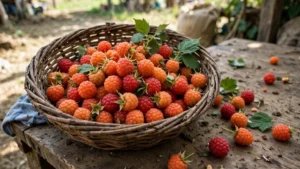
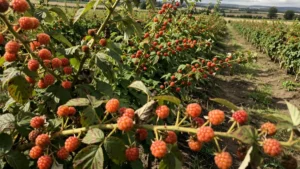
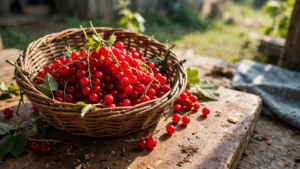
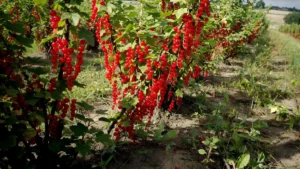
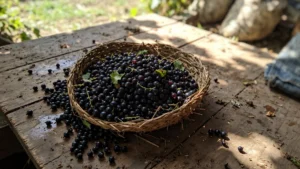
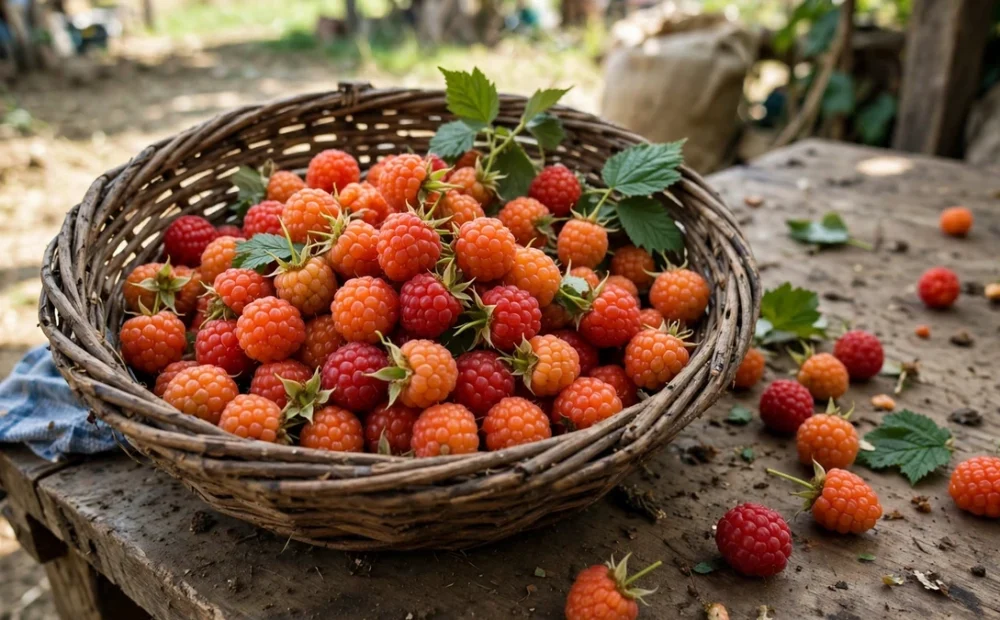
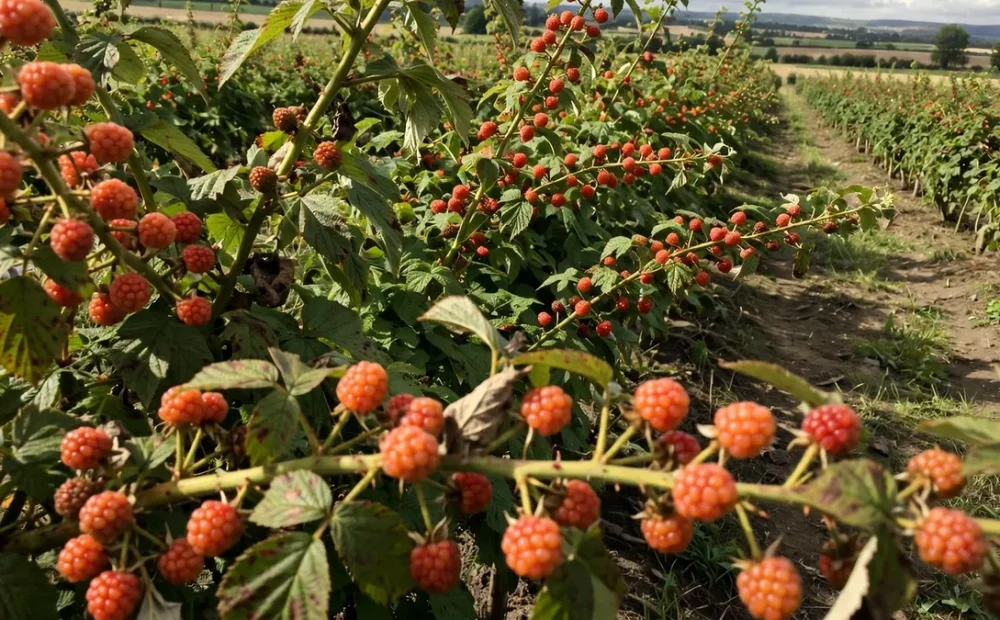
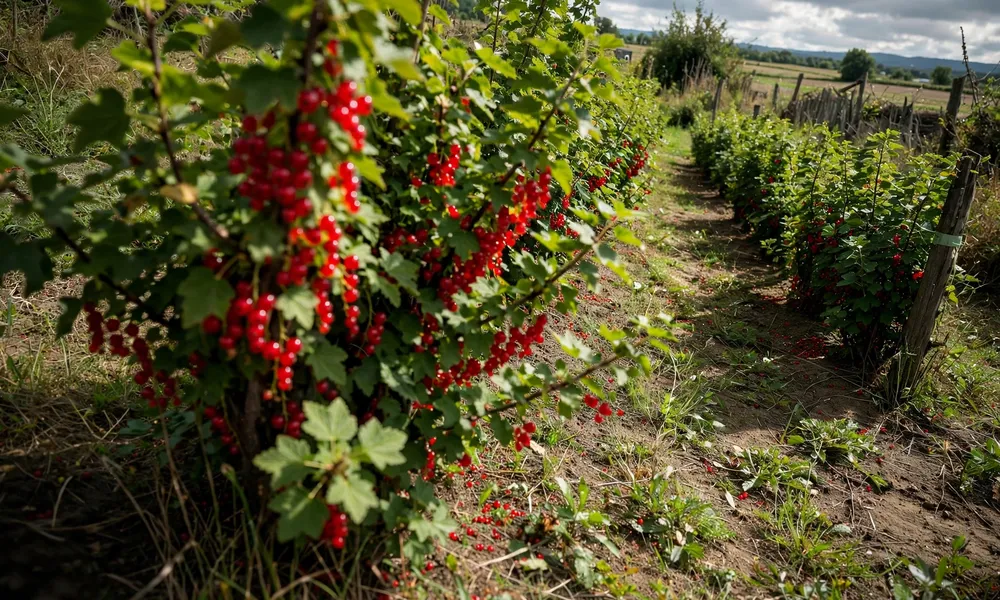
Redcurrants look like beads on a string, and they behave like them too: tug one and the whole strand comes away in your hand. The berries are small, bright red, and too sharp to eat raw, which is exactly why farms love them. A redcurrant stay is a cooking holiday disguised as a farm holiday, where the morning’s picking becomes the afternoon’s jelly.
Every country that grows redcurrants has a use for them. In Lorraine they are seeded by hand for Bar-le-Duc jelly; in England they go into summer pudding; in Scandinavia they are stirred into sauces for game. The farms on this list all treat the berry as a crop in its own right, with rows of bushes, a kitchen that knows its sugar, and a host who can tell a ripe string from a green one at a glance.
Here are nine redcurrant farm stays for 2027, from Kent’s old fruit gardens to a small holding in the hills behind Hobart. Prices run from $65 a night to $345–$380, and every stay below grows its own fruit.
Key takeaways
- Redcurrants hang in strings from low bushes, and the strongest stays are working fruit farms where the berry is a main crop rather than a garnish.
- Ripe strings are bright red and firm, and the berries slip off with a gentle pull; pale or soft berries belong on the bush a while longer.
- The fruit is sharp and built for the kitchen, so favour farms that make jelly, sauce, and summer pudding from their own harvest.
- A row walk and a tasting are usually in the rate, while meals, transfers, and jelly-making sessions often carry a separate charge.
- Farm kitchens bake bread and puddings every morning, so anyone with a wheat allergy should put it in writing before booking.
What a redcurrant farm retreat actually is
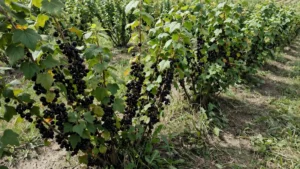
A redcurrant farm retreat is a working fruit farm that takes a handful of guests through the midsummer harvest. The bushes stand in long, low rows, the strings ripen a few at a time, and guests pick with a punnet in the morning and eat the results at lunch. The fruit sets the rhythm of the day: picking first, cooking second, eating third.
The difference from an ordinary farm stay is the crop at the centre of it. Redcurrants decide the menu, from the jelly at breakfast to the sauce at dinner, and the host is usually the grower, not a manager hired for the season. Rooms tend to be plain and comfortable, gardens shared, and the day follows the harvest rather than any timetable.
Before committing, find out what the nightly rate actually buys. A farm stay and a guesthouse inside a fruit farm are two different holidays, and the price usually tells you which one you are booking. A plain room with a working grower can be the better trip, provided you know what is included. The cranberry farm retreats we covered earlier run on the same logic: read the inclusions first and let the photographs wait.
How we picked these stays, and what to ask first
We chose stays where redcurrants are a genuine crop, with named varieties, pruned bushes, and a picking calendar the host plans around. We set aside farms that only offered a view of the rows, or more than a dozen rooms. Nine stays cleared those tests, and each one had 2027 dates open when we checked.
Season comes first. Redcurrants fruit in one short midsummer flush, and the peak shifts by country: England and northern France pick in high summer, Denmark and Sweden pick later, and Tasmania picks while the northern farms rest. A farm that gives you a fortnight, not a month, is telling the truth about its crop.
Then ask what the price covers. A row walk, a tasting, and a jelly session are three separate things, and some stays bill each one apart. Ask whether breakfast is in the rate, whether the garden is shared, and whether the host speaks a language you can get by in. A farm that answers plainly is usually run with care. The rosehip farm retreats we covered earlier show the same pattern: small stays, honest hosts, and booking details that matter more than any star rating.
The 9 best luxury redcurrant farm retreats of 2027
Kent, England — Redcurrants behind the Old Brick Walls
What we like: Kent has grown fruit for centuries, and the redcurrants here sit in sheltered rows behind old brick walls, the strings heavy and bright by midsummer. The stay is a weathered farmhouse at the field edge, and the host walks guests through the rows with a punnet before breakfast.
What to consider: Summer rain can split the berries, and the farm sits well away from town, so arrange a lift in advance. Rooms are few and go quickly in the picking weeks. Best for: First-time pickers who want England’s fruit country at its best. Style: Weathered farmhouse beside the fields. Price range: $65–$95 a night, breakfast and a morning punnet included. Standout feature: The host’s morning walk through the rows.
Worcestershire, England — Redcurrants among the Apple Orchards
What we like: A farm in the orchard valleys where redcurrants grow between the apple trees, and the fruit comes in bright and sharp. The stay is a comfortable farmhouse with a wide garden, and the host runs picking mornings for guests who want to work.
What to consider: Midday heat is strong and the farm is a long drive from the nearest city. Dusty paths follow a dry week, so wear shoes that can take it. Best for: Travellers who want a full basket and a long season. Style: Comfortable farmhouse near the orchards. Price range: $95–$125 a night, breakfast from the farm kitchen included. Standout feature: Picking mornings open to every guest.
Lorraine, France — Redcurrants below the Mirabelle Trees
What we like: A farm in Lorraine where redcurrants grow in sandy soil beneath the mirabelle trees, and the jelly is served at every meal. The house is low stone with a shaded garden, and the host bakes the berries into tarts for breakfast.
What to consider: The farm is a long drive from the city and the afternoon heat can soften the berries. Wasps gather on still afternoons, so pick early in the day. Best for: Food lovers who want fruit and a famous food region together. Style: Low stone house with a shaded garden. Price range: $125–$160 a night, breakfast and dinner both in the rate. Standout feature: Redcurrant tarts served at breakfast.
Betuwe, Netherlands — Redcurrants inside the River Dykes
What we like: A river farm in the Betuwe where redcurrants grow in rich soil inside the dykes, and the fruit is dark red, sharp, and slow to ripen. The rooms look over the orchards, the host keeps a small kitchen, and the jelly is made in a copper pot.
What to consider: The lanes are narrow, the farm fills in the fruiting months, and evenings turn cool enough for a layer. The nearest town is half an hour away. Best for: Travellers who want river air and quiet rows. Style: River farmhouse with orchard views. Price range: $160–$195 a night, with dinner in the rate. Standout feature: Jelly stirred in a copper pot.
Funen, Denmark — Redcurrants in the Island Gardens
What we like: A farm on the island of Funen where redcurrants grow beside the sea gardens, and the kitchen folds the fruit into sauces every afternoon. The house is old and low, the air stays cool even in July, and the host knows every bush by row.
What to consider: The island roads are narrow and the farm has few rooms, so book early. Early-season fruit runs sharp, and the sea wind rises by afternoon. Best for: Travellers who want a quiet northern island. Style: Old farmhouse on an island garden. Price range: $195–$230 a night, every meal in the rate. Standout feature: Redcurrant sauces cooked each afternoon.
Rhineland-Palatinate, Germany — Redcurrants in the Vine Valleys
What we like: A farm in the vine valleys where redcurrants ripen early, in long rows under a wide sky, and the fruit is picked into punnets for the farm gate stall. The house sits among the rows, and the kitchen bakes the fruit into cakes as well as jelly.
What to consider: Heat arrives early and the farm is an hour from the nearest city. Dry days leave the paths dusty, so bring shoes that can take it. Best for: Travellers who want fruit and vineyard country in one trip. Style: Farmhouse among the rows. Price range: $230–$265 a night, breakfast and dinner included. Standout feature: Redcurrant cakes from the farm kitchen.
Lublin, Poland — Redcurrants on the Open Eastern Ground
What we like: A farm on the eastern plains where redcurrants grow on open ground above the fields, and the season runs while the western farms rest. The house is timber-built, and the host serves the fruit with cream from the dairy next door.
What to consider: Wind sweeps the plains and the farm is a drive from the nearest city. The season runs short, so the dates count for more than the price. Best for: Travellers who want redcurrants off the usual trail. Style: Timber cottage by the fields. Price range: $265–$300 a night, meals and tastings in the rate. Standout feature: Berries served with cream from next door.
Skåne, Sweden — Redcurrants in the Southern Meadows
What we like: A farm in the green south of Sweden where redcurrants grow in cool, damp air, and the fruit is picked into punnets for the farm gate stall. The host is a second-generation grower, the fruiting season is generous, and the kitchen jars a redcurrant sauce that guests take home.
What to consider: The road winds a long way, and the farm fills up in the picking months. Rain comes often, so pick early and rest in the shade when the sun breaks through. Best for: Travellers who want a long season and green meadows. Style: Meadow farmhouse with a farm gate stall. Price range: $300–$340 a night, full board for the whole stay. Standout feature: The farm’s own redcurrant sauce.
Tasmania, Australia — Redcurrants behind an Old Hobart Shed
What we like: A small farm in the hills behind Hobart where redcurrants grow in neat rows behind an old shed, and the stay is a polished cottage with a valley view. The fruit is the sharp kind, the farm runs a weekly tasting, and the kitchen folds the berries into morning puddings.
What to consider: The rate tops this list, and the farm is a drive from the city. The season runs short, so settle the dates before you book. Best for: Travellers who want redcurrants within reach of Hobart. Style: Hillside cottage above the valley. Price range: $345–$380 a night, the whole stay in the rate. Standout feature: A weekly tasting above the valley.
Which redcurrant region fits your trip
Kent and Lorraine suit a first trip: short flights, gentle farms, and a forgiving season. The Betuwe and Funen suit travellers who want quiet rows and cool air. Worcestershire and the Rhineland suit cooks, because the kitchens there bake with the fruit every day. Poland and Tasmania suit travellers who want the trip to be the main event rather than a weekend away.
If you can only pick one, start with Kent. The farm is used to guests, the season is generous, and the kitchen cooks with the fruit every day. Our guide to the raspberry farm retreats reaches the same conclusion in different words: choose the farm that cooks with its crop daily, and most of the trip sorts itself out.
The caveats that matter
Redcurrant farm retreats are lovely, but they are not for everyone. The fruit keeps to its own calendar, the farms sit well away from town, and the honest stays tell you plainly what is ripening and what is not.
| Detail | What is known |
|---|---|
| When to go | Midsummer, when the strings are bearing; the exact weeks shift by country |
| The two main kinds | Redcurrants are bright red and tart; white currants are the same species, paler and sweeter |
| Spotting ripe fruit | Bright red all over, firm, and glossy, with no pale berries left on the string |
| Usually in the rate | Room and breakfast plus a row walk or tasting; jelly-making and transfers often cost extra |
| Best suited to | Slow travellers, food lovers, and families with older children |
| Think twice if you want | Nightlife, quick service, or a full daily programme |
| Getting there | Usually an hour or more from the closest airport; arrange the lift before you arrive |
| Never promised | Berries on your dates; the crop depends on weather, season, and the bush’s own rhythm |
Redcurrants themselves carry no gluten, yet the farm kitchen bakes bread and puddings each morning, so ask how it keeps flour away from your plate. The berries are tart and keep best as jelly, so eat them cooked on the day they are picked and take jelly home instead of fresh fruit. If you have a health condition, are expecting, or travel with small children, check where the nearest clinic sits, when the farm last sprayed, and whether the paths suit little feet.
Checklist: booking a redcurrant farm stay honestly
Work through these before you pay, then again in the week before you travel.
- Ask whether the strings will be bearing on your dates, not only whether the farm is open.
- Ask what the rate covers: row walk, tasting, meals, transfers, and which carry an extra charge.
- Ask how long the airport drive takes, and whether the farm sends a car.
- Ask which way the bedroom window faces, rows or garden, and whether there is shade or a fan.
- Ask how big the field is, whether it is organic, and when it was last sprayed.
- Look for reviews from guests who travelled in the same season as your planned trip.
Frequently asked questions
When is redcurrant season?
It depends on the country. Kent and Lorraine pick in high summer, with the strings ripening over two or three weeks. Denmark and Sweden pick later, and Tasmania picks while the northern farms rest.
What does a redcurrant taste like?
Sharp and clean, with a bright tartness that needs sugar to shine. Ripe berries are bright red and glossy; unripe ones are pale, firm, and sour. They are at their best cooked, in jelly, sauce, or summer pudding.
May guests pick redcurrants from the bushes?
Yes, on most farms, if you go with a guide and ask first. Some farms hand guests a punnet for a few strings, while others leave the picking to the crew because the bushes are wide and easy to damage. Mention it when you book, and wear long sleeves, because the bushes scratch.
Is it safe for everyone to eat redcurrants?
Mostly. The fruit suits most people, but the skins can trouble a sensitive stomach, and anyone with a berry allergy should warn the farm before booking. Wash the fruit first, and keep the portions small if your stomach is delicate.
Where is the best place for a first redcurrant farm trip?
Kent, where the journey is short and the season runs long. The farm knows its guests, the fruit runs for much of the summer, and the kitchen serves it at every meal.
What should a gluten-free guest ask before booking a redcurrant farm?
Tell the farm when you book. The berries carry no gluten on their own, and the jelly is usually safe. The risk is the bread and puddings baked each morning, so ask how the farm keeps flour off your plate.
The bottom line
A redcurrant farm retreat suits travellers who like their food to come from the bush beside them, and who are happy to let the picking set the day. The fruit is sharp, the season is short, and the best stays pick it, serve it fresh, and turn the rest into jelly without any fuss.
Choose the region by what you want most: the old brick walls of Kent, the river dykes of the Betuwe, or the green meadows of Skåne — and bring the jelly home sealed, not the berries themselves. A jar of it will outlast any photograph.