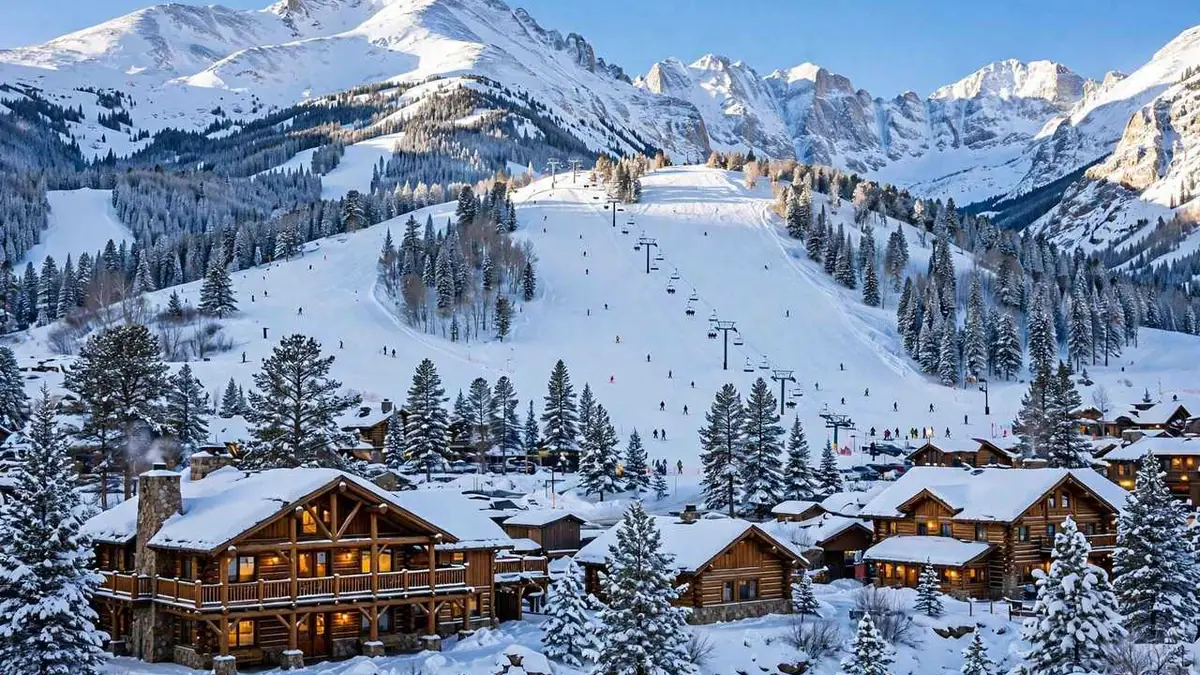
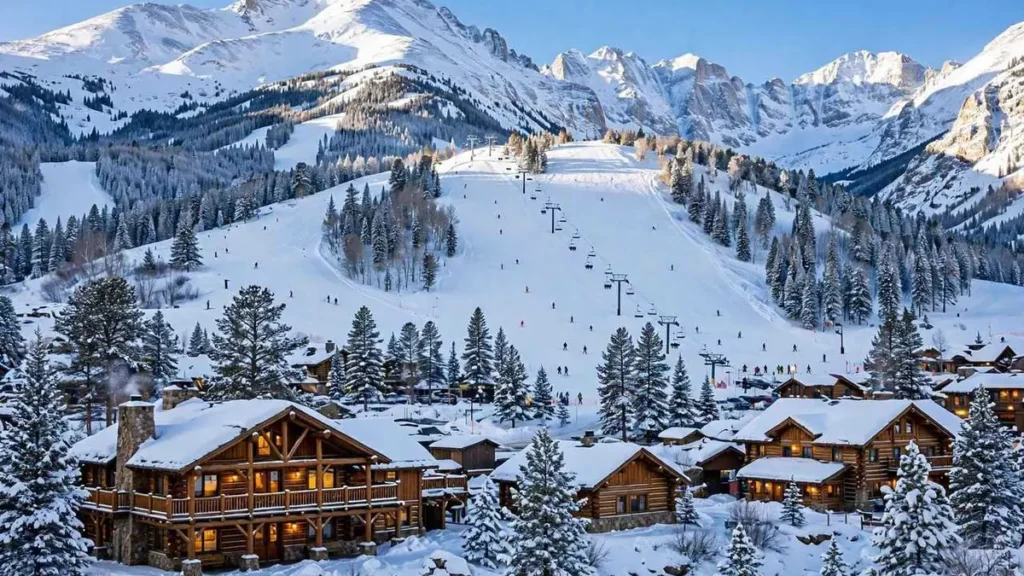
Winter Park Resort is one of Colorado’s most welcoming mountain destinations, a year-round resort where a single trip can mean gentle groomed runs, deep mogul fields, summer mountain biking and quiet evenings in a proper ski village. If you are wondering whether it suits your kind of trip, the short answer is yes, in most cases: the mountain is broad enough for first-timers and demanding enough for seasoned skiers, and the village is compact enough that nothing feels far away.
The resort sits in Grand County, Colorado, roughly a ninety-minute drive from Denver, which makes it one of the easiest big Colorado resorts to reach. Winter Park feels like a mountain town with a very large ski area attached, relaxed and unpretentious, and many visitors come back for exactly that reason.
Key takeaways
- Winter Park Resort is a year-round resort in Grand County, Colorado, about ninety minutes from Denver, with skiing and snowboarding in winter and biking, hiking and sightseeing in summer.
- The mountain covers more than 3,000 acres across seven distinct territories, from gentle beginner terrain to the famous moguls of Mary Jane and the open bowl above the treeline.
- Families and beginners are well served, with dedicated learning areas, gentle groomed runs and a compact, walkable base village.
- Plan around the season, pack for real mountain weather, and build rest into the trip.
Where Is Winter Park Resort?
Winter Park Resort stands in the town of Winter Park, in Grand County, just off U.S. Highway 40 on the western side of the Continental Divide. The drive from Denver climbs through the Front Range and over Berthoud Pass before dropping into the Fraser Valley, where the resort’s peaks rise above the town.
The resort’s base sits at around 9,000 feet, with the highest lift-served point reaching just over 12,000 feet, so you are properly in the high Rockies from the moment you arrive. That altitude brings reliable snow and wide views, but respect it on the first day, with a slow morning, plenty of water and an early night.
The Mountain and Its Terrain
The skiable area covers more than 3,000 acres across seven territories, each with a distinct personality. Rather than one big mountain face, you get a collection of linked areas, and part of the pleasure is learning how they fit together over a few days.
The Winter Park territory, at the heart of the resort, holds the gentlest ground: wide groomed runs, dedicated learning areas and easy cruising terrain that suits beginners and families. Mary Jane, the resort’s second peak, is the opposite end of the spectrum, famous for steep moguls, tree skiing and the kind of bumpy, challenging runs that experienced skiers travel for. Between them sit Parsenn Bowl, an open bowl above the treeline, Vasquez Ridge, a quieter area of intermediate runs, and the backcountry-style terrain of Vasquez Cirque and Eagle Wind.
This range means a mixed-ability group can genuinely holiday together. Beginners can spend the day on the Winter Park side without feeling pushed onto ground beyond them, while stronger skiers head for Mary Jane or the bowl and meet everyone back at the village later. Few Colorado resorts divide their terrain quite so clearly between easy and demanding, and it is one of the main reasons Winter Park works so well for families.
| Territory | Best for | Character |
|---|---|---|
| Winter Park | Beginners and families | Wide groomed runs and dedicated learning areas close to the village |
| Mary Jane | Confident and expert skiers | Steep moguls, tree skiing and challenging bumps |
| Parsenn Bowl | Intermediates seeking views | Open bowl above the treeline with wide Rocky Mountain scenery |
| Vasquez Ridge | Intermediate cruisers | Quieter runs away from the main crowds |
| Vasquez Cirque and Eagle Wind | Adventurous experts | Ungroomed, backcountry-style terrain reached by hiking or lift |
On the Slopes: Skiing and Snowboarding at Winter Park
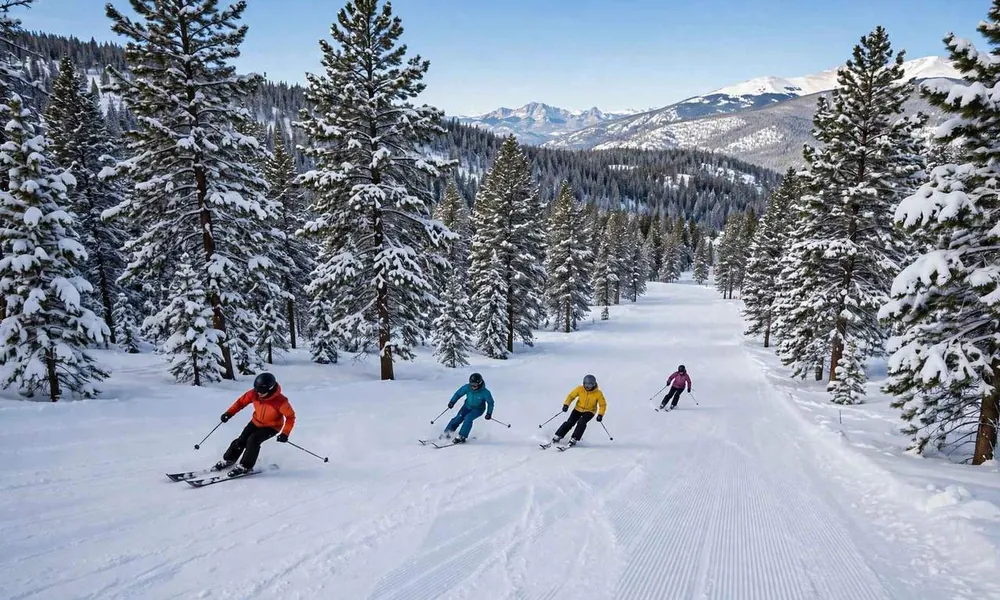
Skiing is the heart of Winter Park Resort, and the winter season generally runs from mid-November into mid-April, with the deepest snow typically arriving in mid-winter. Weekdays are usually quieter than weekends, when Denver day-trippers arrive in numbers, so a midweek visit often means shorter lift queues and emptier runs.
For beginners, the resort is a genuinely good place to learn. The dedicated learning areas sit close to the village, the groomed runs are wide and forgiving, and the ski school has a long-standing reputation. The resort is also home to one of the world’s oldest and largest disabled skiing programmes, the National Sports Center for the Disabled.
Intermediates will find the most terrain to explore, with long blue runs across Winter Park and Mary Jane, while advanced skiers gravitate to the bumps and glades of Mary Jane and the open snow of Parsenn Bowl. Snowboarders are welcome across the mountain, and the terrain parks progress from first jumps to serious features. Whatever your level, warm up on easier ground each morning, because the altitude can make the first runs feel harder than expected.
Winter Activities Beyond Skiing
Not every day needs to be spent on skis. Snowshoeing and cross-country skiing on the valley trails give a quieter way to enjoy the winter landscape, while sleigh rides, ice skating and tubing are popular with families, and the village rewards a slow wander, with shops, cafés and restaurants that stay lively into the evening.
Many visitors build a non-ski day into the middle of their trip, and if you enjoy making your own coffee, our guide to the best French press will help you brew something worth lingering over before you head out into the cold.
Summer at Winter Park Resort
Winter Park is a year-round resort, and summer reveals a very different mountain. When the snow melts, the lifts keep running for mountain biking, hiking and sightseeing, and the resort’s trail network is one of Colorado’s best-known downhill biking destinations. The alpine slide is a favourite with families, and the base area hosts events and live music through the warmer months.
Hiking is the simplest summer pleasure here. Trails wind through wildflower meadows and pine forest, and the gondola offers a gentle way up for those who would rather walk down than climb. Pack for changeable weather, because mountain afternoons can turn quickly.
Planning Your Visit: Best Times and Practicalities
Mid-winter brings the most reliable snow and the fullest resort, with the busiest weeks falling around the festive period and school holidays. Late winter often combines good snow cover with longer days and slightly quieter slopes, while summer visits, from late June through September, suit biking, hiking and warm-weather exploring.
Most visitors fly into Denver and drive, a journey of around ninety minutes in good conditions, though winter weather can stretch it considerably, so allow a generous margin and check conditions before you set off. A car gives you freedom to explore the Fraser Valley at your own pace, and it pays to book lodging, lessons and hire ahead during peak weeks.
Families and Beginners
Winter Park Resort is often recommended for families, and the recommendation is well earned. The learning areas are close to the village, the gentle runs are genuinely gentle, and the ski school takes children from their first turns through to confident parallel skiing.
The key to a good family trip is pacing. Short ski sessions with warm breaks work far better than full days on the slopes, especially for children, and a rest day mid-week keeps energy up. Build in time for tubing, skating or simply playing in the snow, and remember that children feel the cold and the altitude more quickly than adults.
What to Pack for Winter Park
Layers are the guiding principle: a moisture-wicking base layer, an insulating mid-layer and a waterproof outer layer, with the option to add or remove as the day warms or cools. Gloves, a warm hat, a neck warmer and good socks matter as much as the jacket, and sunscreen and lip protection are essential, because the high-altitude sun reflects hard off the snow even on cloudy days.
For the evenings, pack warm, comfortable clothes and proper footwear for icy paths. A small day pack is useful for water, snacks, an extra layer and sunscreen on the mountain, and most equipment can be hired at the resort. Keeping your kit organised before you leave saves time, and the principles in our guide to how to organize desk drawers, a place for everything and nothing left to chance, work just as well for a ski bag shared by a whole family.
Your Winter Park Resort Checklist
- Book lodging, lessons and equipment hire before peak weeks, and confirm meeting points and times for children’s lessons.
- Check road and weather conditions before driving from Denver, and allow extra time in winter weather.
- Pack layers, waterproof outerwear, gloves, a hat, sunscreen and lip protection for high-altitude sun.
- Plan a slow first day at altitude, with plenty of water and an early night.
- Build in a rest day mid-trip, especially when travelling with children or beginners.
- Carry water and snacks on the mountain, and take warm breaks before you feel exhausted.
- Leave time for the village, the gondola and the town of Winter Park itself, not just the slopes.
Frequently Asked Questions
Where is Winter Park Resort?
Winter Park Resort is in the town of Winter Park, in Grand County, Colorado, roughly a ninety-minute drive from Denver via U.S. Highway 40. Its base sits at around 9,000 feet, with the highest lift-served point above 12,000 feet.
Is Winter Park Resort good for beginners?
Yes, it is a strong choice for beginners. The Winter Park territory has wide groomed runs and dedicated learning areas near the village, and the ski school is well established.
What is Mary Jane known for?
Mary Jane is Winter Park Resort’s second peak and is known for steep moguls, tree skiing and challenging terrain for confident and expert skiers.
Is Winter Park Resort open in summer?
Yes, Winter Park is a year-round resort. In summer the lifts run for mountain biking, hiking and sightseeing, and the resort offers an alpine slide, events and live music.
How long is the ski season at Winter Park Resort?
The winter season generally runs from mid-November into mid-April, with the most reliable snow typically in the middle of winter. Check the resort’s own updates before you travel.
Do I need a car to visit Winter Park Resort?
A car is not essential, as shuttles run from Denver and the village is compact and walkable, but having one makes it easier to explore the wider valley.
The Bottom Line
Winter Park Resort earns its place among Colorado’s best-loved mountain destinations not by being the flashiest, but by being the easiest to enjoy. The terrain covers almost every level of skier, the village is compact and friendly, and the setting makes the trip feel adventurous without being complicated.
Start by choosing your season, booking the essentials early and packing for real mountain weather. Then give yourself permission to take it slowly on the first day and to spend an evening in the village rather than chasing one more run. The mountain will still be there in the morning, and when you return home, a little care for the things in your own home, as in our guide to how to polish stainless steel, rounds off the trip nicely.
Safety note: mountain weather can change quickly, and altitude affects everyone differently, so check conditions before heading out, stay hydrated, take breaks, and ski within your ability. If conditions worsen or you feel unwell, head down and seek help rather than pushing on.