
A cypress perfume is a perfume built around the dry, green, woody scent of the Mediterranean cypress tree. It is not a floral perfume, not a sweet perfume, and not a fresh citrus perfume. It is a woody perfume with a green lift, the kind of scent that smells like shaded air under a tall, dark tree on a warm afternoon. If you have ever walked past a row of cypress trees in southern Europe and noticed the cool, resinous smell in the shade, you already know what the note is.
The reason cypress is worth understanding is that it is easy to confuse with its neighbours. It is not cedarwood, though the two are often sold side by side. It is not pine, though they share a family. It is not fern, though both are green notes. Each of those smells different, behaves differently on skin, and suits different people.
This guide explains what a cypress perfume is, where the note comes from, how it behaves on skin, and how to choose one.
Key takeaways
- A cypress perfume is built around the dry, green, woody scent of the Mediterranean cypress tree, Cupressus sempervirens.
- The note comes from steam-distilled leaves and twigs, which is why it smells green and resinous rather than like sawn timber.
- Cypress lifts woody bases and keeps them from smelling heavy, which is its main job in a perfume.
- It pairs most naturally with vetiver, cedarwood and sandalwood, and it appears most often in men’s and unisex perfumes.
- Cypress is a real but quiet note, and it is not the same as cedarwood, pine or fern, so a perfume can list it without smelling obviously of cypress.
What a cypress perfume actually is
A cypress perfume is a fragrance in which cypress is a named, structural note, usually in the heart of the composition. In a cypress-led perfume, the note is obvious from the first spray and stays visible through the drydown. In most cypress perfumes, though, it is a supporting note: one green, woody thread among several, there to lift the base and keep the woods from feeling thick. Both count as cypress perfumes, but they smell quite different, and it helps to know which kind you are buying.
The note itself is made by steam-distilling the leaves and small twigs of the Mediterranean cypress. The oil that comes out is pale, sharp and herbal, with a dry woody undertone. Perfumers use it in small amounts, because a little goes a long way, and because too much can make a perfume smell medicinal.
Cypress perfumes are almost always woody, green or fougère compositions. You will rarely find cypress in a sweet gourmand, a white floral or a fruity perfume, because its dry character clashes with sweetness. Our guide to what a fern perfume is is a useful contrast, because fern is the other great green note, but fern is soft and soapy where cypress is dry and woody.
How to read a cypress perfume and what to look for
Read the note list with a simple question in mind: where does cypress sit? If it is listed first among the heart notes, or named in the perfume’s own description, it is a lead note and you will smell it clearly. If it is listed among four or five woody notes in the base, it is a supporting note, and what you will smell is a general dry greenness rather than cypress itself.
Look next at the pairing. Vetiver is the most common partner, and a cypress and vetiver perfume will smell earthy, rooty and grounded. Cedarwood adds warmth and a pencil-like dryness. Sandalwood adds smoothness and a milky, creamy edge that softens cypress considerably. Citrus and lavender in the opening keep it bright, while incense and amber in the base give it weight for evening. If a cypress perfume smells too sharp, the pairing is usually the problem, and a version with sandalwood or amber will feel calmer.
Finally, test it on skin and give it time. Cypress changes more between the first spray and the drydown than most green notes do. On paper it can smell sharp and almost medicinal. On skin, after an hour, it settles into a dry, woody green that is much easier to judge.
9 things to know about cypress perfume
Cypress is a tree first and a perfume note second
What it shows: The Mediterranean cypress, Cupressus sempervirens, is a tall, dark, pencil-shaped tree that has lined roads, gardens and cemeteries across southern Europe for thousands of years. It is a landscape tree before it is a perfume ingredient, and its scent is the scent of that landscape: dry, shaded and a little dusty.
What to consider: The tree’s association with cemeteries and mourning in Mediterranean culture gives cypress a solemn, formal character that some people love and others find too serious. Best for: Anyone who likes woody perfumes with a sense of place. Material: Glass bottle, 100 ml. Price range: Around £45 to £290 for 100 ml, depending on the house. Standout feature: The most landscape-like of all green notes.
The scent comes from the leaves and twigs, not the trunk
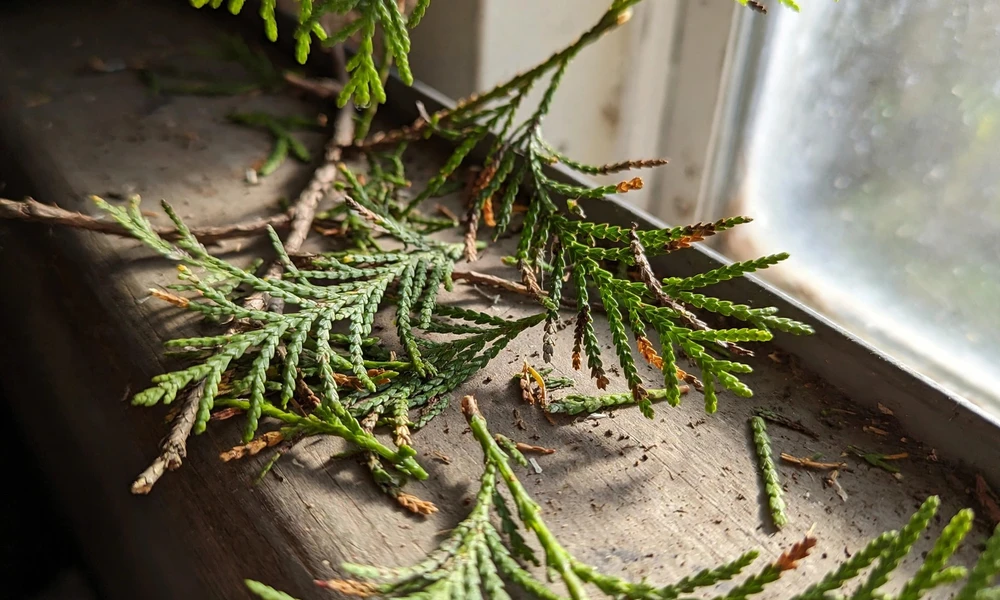
What it shows: Cypress essential oil is steam-distilled from the foliage and small twigs, not cut from the wood. That is why it smells green and resinous rather than like sawn timber, and why it behaves like a green note in a perfume, arriving in the heart and fading slowly, rather than like a base wood.
What to consider: Because it comes from foliage, cypress oil varies with the season and the place it was grown, so two cypress perfumes can smell noticeably different. Best for: Anyone who wants a green note with real woody depth. Material: Glass bottle, 100 ml. Price range: Around £45 to £165 for 100 ml. Standout feature: A green note that comes from a tree, not a flower or a herb.
Cypress oil was in medicine cabinets before it was in perfume
What it shows: Long before perfumers used it, cypress oil was used in traditional medicine as an astringent and a decongestant, rubbed on the chest or added to baths. That history explains its clean, sharp, almost medicinal edge, and why it smells bracing rather than comforting.
What to consider: The medicinal edge is part of the note, not a fault, but it means cypress can smell severe on first spray, especially in a perfume with little sweetness to balance it. Best for: Anyone who likes clean, bracing scents. Material: Glass bottle, 100 ml. Price range: Around £66 to £155 for 100 ml. Standout feature: A note with a longer medical history than perfume history.
Cypress smells green and dry at the same time
What it shows: Most green notes are either fresh and wet, like cut grass, or soft and soapy, like fern. Cypress is neither. It smells green the way dry leaves smell green: resinous, dusty and woody, with the coolness of shade rather than the brightness of a garden.
What to consider: That dryness is why cypress suits people who find most green perfumes too sweet or too fresh, and why it can feel severe to people who like soft, floral greens. Best for: Anyone who finds cut-grass green notes too sweet. Material: Glass bottle, 100 ml. Price range: Around £45 to £290 for 100 ml. Standout feature: The driest green note in common use.
Cypress is the note that keeps a woody perfume from feeling heavy
What it shows: Woody perfumes can turn thick and cloying, especially in warm weather. Cypress is the note perfumers add to prevent that. Its dry green character lifts the base, adds air, and keeps sandalwood, cedarwood and vetiver from sitting too heavily on the skin.
What to consider: A woody perfume without a lifting note can feel rich in winter and suffocating in summer, so cypress matters most in warm-weather woody perfumes. Best for: Warm weather and anyone who finds woody perfumes heavy. Material: Glass bottle, 100 ml. Price range: Around £105 to £165 for 100 ml. Standout feature: The note that makes woody perfumes wearable in heat.
Cypress pairs with vetiver more than with any other note
What it shows: Vetiver is cypress’s most frequent partner, and the pairing is one of the oldest in masculine perfumery. Vetiver adds an earthy, rooty depth that grounds cypress, while cypress adds a green lift that keeps vetiver from smelling muddy. Together they smell like dry earth and green shade at once.
What to consider: A cypress and vetiver perfume will always lean earthy and dry, so it is not the right pairing if you want something bright or sweet. Best for: Anyone who already likes vetiver. Material: Glass bottle, 100 ml. Price range: Around £45 to £165 for 100 ml. Standout feature: The classic green-woody pairing in perfumery.
Cypress and cedarwood are cousins, not twins
What it shows: Cypress and cedarwood are both dry woody notes from conifer trees, and they are often confused, but they come from different parts of different trees and smell different. Cypress comes from foliage and smells green and resinous. Cedarwood comes from wood and smells warm, dry and pencil-like, with a soft, almost creamy edge.
What to consider: Perfumes often contain both, and the combination is excellent, but buying a cedarwood perfume when you wanted cypress, or the other way round, is a common mistake. Best for: Anyone choosing between the two notes. Material: Glass bottle, 100 ml. Price range: Around £66 to £165 for 100 ml. Standout feature: The clearest test of whether you prefer green woods or warm woods.
Cypress shows up most in men’s and unisex perfumes
What it shows: Cypress has a long history in men’s perfumery, from classic fougères to modern woody scents, and most cypress perfumes are marketed to men or as unisex. The note’s dry, green, unsweet character fits the traditional masculine register, and perfumers have rarely put it at the centre of a women’s floral perfume.
What to consider: The note itself has no gender, and it works well on anyone who likes dry woody perfumes, but the choice of cypress-led women’s perfumes is small. Best for: Anyone who likes masculine and unisex woody perfumes. Material: Glass bottle, 100 ml. Price range: Around £45 to £265 for 100 ml. Standout feature: One of the most consistently masculine-leaning green notes.
Cypress lasts longer on skin than most green notes
What it shows: Green notes are usually the first to fade, which is why many green perfumes feel short-lived. Cypress is an exception. Because it sits in the heart of a perfume and is anchored by woody base notes, it can still be smelled six to eight hours after application, long after the citrus opening has gone.
What to consider: Longevity varies with concentration, and an eau de toilette will fade sooner than an eau de parfum, but cypress is reliably longer-lasting than most green notes at the same strength. Best for: Long days and anyone who wants a green perfume that lasts. Material: Glass bottle, 100 ml. Price range: Around £105 to £290 for 100 ml. Standout feature: The longest-lasting common green note.
Who should wear cypress, and who should skip it
Cypress suits people who like dry, woody, unsweet perfumes and who find most green scents too fresh or too floral. It suits formal settings, warm weather, and anyone who wants a perfume that smells clean without smelling soapy.
It is less suited to people who like sweet, soft or floral perfumes, because cypress will always pull a composition toward the dry end. If you find woody perfumes severe, or if you dislike the smell of pine and resin, cypress will probably not change your mind. In that case a softer green is a better direction. Our guide to what a moss perfume is covers the damper, darker side of green, which some people find easier to wear than cypress’s dry shade.
Age and occasion matter less than taste. Cypress is worn by people of all ages, but it is most often chosen by people who already know they like woody perfumes and want a greener version of one.
The caveats that matter
Cypress is a safe, well-tolerated note, but the perfumes that carry it are not always gentle. The note itself rarely causes skin sensitivity, yet fragrance on broken or irritated skin can sting, and a strong woody perfume applied heavily in a shared space is inconsiderate rather than impressive. Two sprays, on skin, is enough for most cypress perfumes.
| Detail | What is known |
|---|---|
| What it is | A perfume built around the dry, green, woody scent of the Mediterranean cypress |
| Where the note comes from | Steam-distilled leaves and twigs, not the trunk |
| Where it sits | Usually in the heart, bridging a fresh opening and a woody base |
| Best pairings | Vetiver, cedarwood, sandalwood, lavender and citrus |
| How long it lasts | Six to eight hours on skin for most cypress perfumes |
| Who should start gently | Anyone who finds dry woody perfumes severe; try a sandalwood pairing first |
| What to avoid | Very sweet bases, which clash with dry cypress, and over-applying in small rooms |
| What it does not do | It does not smell like cedarwood or pine, and it does not make a perfume fresh on its own |
If you are pregnant, breastfeeding, or using prescription skincare, check with your clinician before using a new fragrance, especially at high strength or on broken skin. That is not a formality. Fragrance on irritated skin can sting, and a simple check avoids days of discomfort.
Checklist: choosing a cypress perfume honestly
Use these checks before you buy, and again after a full day of wear.
- Check where cypress sits: lead note if you want the tree itself, supporting note if you want a fresher woody perfume.
- Check the pairing: vetiver and sandalwood are the safest partners, citrus and lavender the brightest.
- Spray on skin, not paper, and wait an hour before judging it.
- Wear it once in warm weather and once indoors before deciding.
- Check the drydown: cypress should smell dry and woody after two hours, not sharp or sour.
- Buy the smaller bottle first if you are new to dry woody perfumes.
Frequently asked questions
Is a cypress perfume the same as a cedarwood perfume?
No. Cypress comes from the leaves and twigs and smells green, dry and resinous. Cedarwood comes from the wood and smells warm, dry and pencil-like, as our guide to what a cedarwood perfume is explains.
Does cypress smell like pine?
It is related, but not the same. Pine smells resinous, sticky and bright, with a turpentine sharpness. Cypress is cooler, drier and greener, with less of the sticky resin character.
How long does a cypress perfume last?
Most cypress perfumes last six to eight hours on skin, which is long for a green note. Eau de parfum versions last longer than eau de toilette versions, and the woody base carries the note through the drydown.
Is cypress perfume good for summer?
Yes, it is one of the best woody notes for warm weather. It keeps woody perfumes from feeling heavy, and its dry green character suits heat better than sweet or resinous notes. Lighter pairings with citrus or vetiver work best in high summer.
Can women wear cypress perfume?
Yes. The note itself has no gender, and it works well on anyone who likes dry woody perfumes.
What should I pair cypress with?
Vetiver is the classic partner, adding earthy depth. Cedarwood and sandalwood add warmth, lavender and citrus add brightness, and a little incense or amber adds weight for evening.
The bottom line
A cypress perfume is a woody perfume with a dry green lift, built around the scent of the Mediterranean cypress tree. The note comes from the leaves and twigs, sits in the heart of the composition, and does a simple job: it keeps woody perfumes from feeling heavy, and it gives green perfumes a woody depth that most green notes lack. It is dry, unsweet and long-lasting, and it pairs best with vetiver, cedarwood and sandalwood.
If you like woody perfumes but find them heavy, or green perfumes but find them too sweet, cypress is worth trying. Start with a supporting-note perfume such as Tam Dao or Terre d’Hermès, wear it for a full day, and judge it at the drydown. If the dry, shaded green grows on you, a cypress-led perfume such as Cypress & Grapevine is waiting. That is the honest way to find out whether cypress is your kind of green.