
What a juniper farm retreat actually is
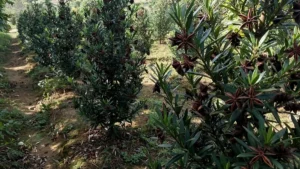
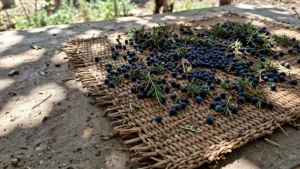
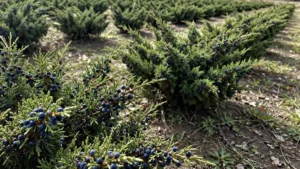
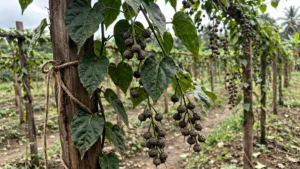
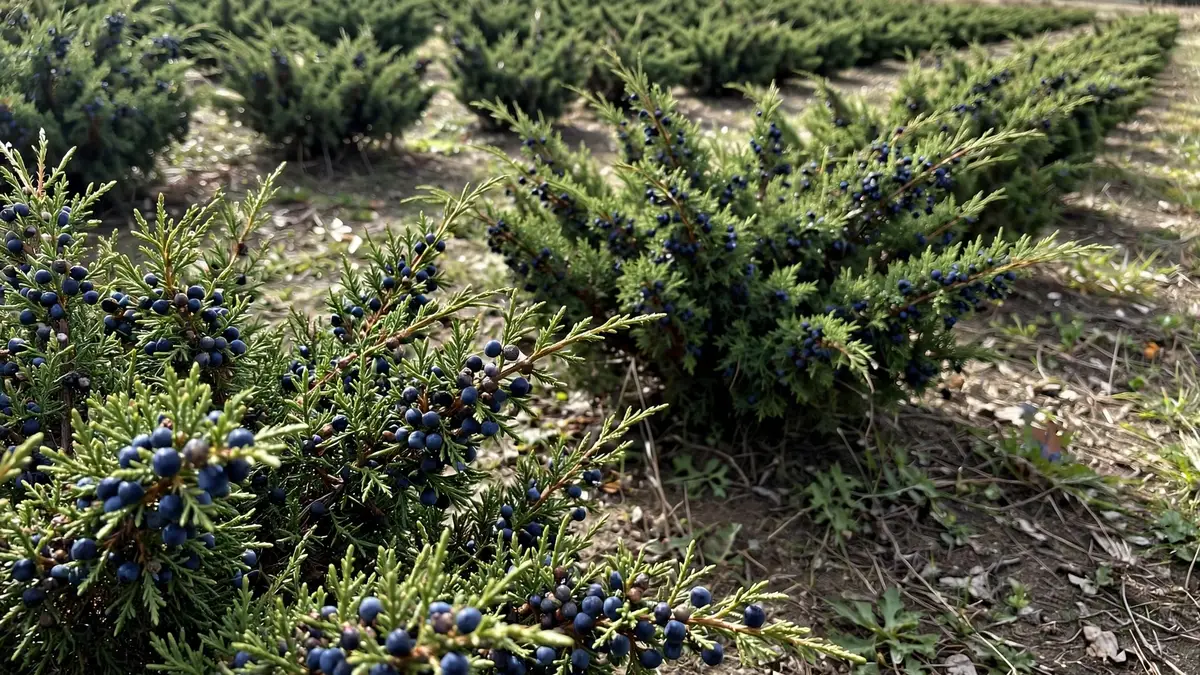
Juniper is a conifer, not a fruit tree, and that single fact shapes the whole trip. The “berries” are really cones, small and green in their first year, turning dark blue-black only in their second or third year on the bush. On a juniper farm you walk among low evergreen bushes, learn to tell a ripe cone from a green one, and taste the pine-clean flavour that defines gin. The work is slow and done by hand, and the farms on this list let guests stand close enough to watch it happen. The bushes are low and spreading, so the picking is done standing, not climbing.
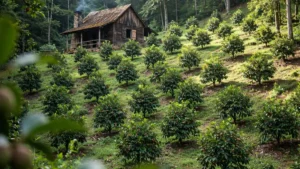
A juniper farm retreat means staying on a working juniper farm, in a spare room with home cooking and guided walks among the bushes. No hotel lobby, no spa menu, no buffet: the farm takes guests, and the day runs on farm time, with meals from the garden and talk about rain at the table.
These stays are tiny, usually fewer than a dozen beds. Rooms stay simple and tidy, supper comes from the garden, and the finest moments arrive without a plan: a picker pressing a ripe cone into your palm, a cook crushing berries into a stew, or a dusk walk through bushes heavy with resin. This guide covers nine stays worth the journey in 2027, from the Tuscan hills to the Himalayan foothills.
Key takeaways
- Juniper berries are cones, not true berries, and they take two to three years to ripen on the bush.
- Pick only the dark blue-black cones; green ones are unripe and bitter, and the farm will show you the difference.
- Tuscany and the Balkans are the classic juniper regions, and both grow the berries beside vines and olive trees.
- Prices on this list run from $65 to $380 a night for two, with most stays including breakfast and a guided walk.
- Juniper berries are gluten-free, but farm bread is wheat, and gin is distilled rather than brewed, so ask the kitchen and the still what they serve before you book.
How we picked these stays, and what to ask first
We picked farms that grow juniper for sale and show the whole process, from bush to picking basket to kitchen or still. We left out any farm whose juniper is only a small hedge for photographs. We also asked whether guests can join the picking, whether the farm distils its own gin, and whether the kitchen can handle gluten-free requests, since the bread on the table is usually wheat.
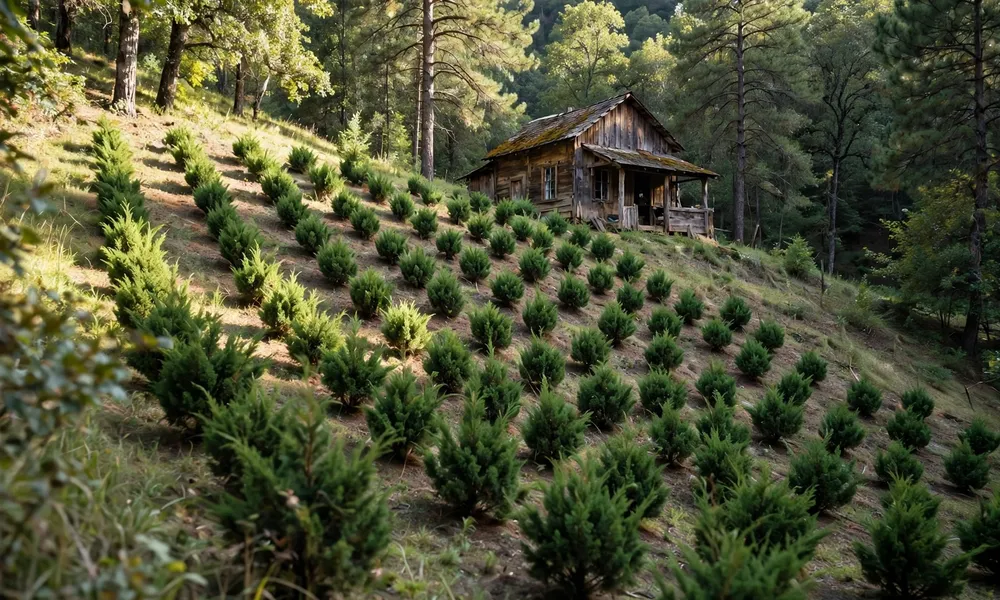
Three questions sort a good stay from a poor one. First, when do this farm’s berries ripen, and will your dates fall in the picking weeks? Second, does the farm distil gin, or sell its berries on to a distiller? Third, what goes into the kitchen’s cooking, and can it feed you safely without gluten? Those three replies say more than any brochure ever will.
Nightly rates below run $65 to $380 for two, and most include breakfast plus a guided walk. Each stay takes guests out among the bushes, and each one grows juniper for sale, not a token hedge for photographs.
The 9 best luxury juniper farm retreats of 2027
Chianti Hills, Tuscany — Juniper Along the Vine Rows
Chianti grows juniper along the edges of its vineyards, where the bushes catch the sun and the berries ripen slowly through the summer. Guest rooms sit in a stone farmhouse above the vines.
What We Like: The picking walk is the gentlest on this list, with vineyards, olives, and juniper in a single morning.
What to Consider: The hills are busy in summer, the farm is small, and the berries ripen late, so an early visit misses the picking.
Best For: A first juniper trip with wine country attached.
Style: Stone farmhouse with a terrace over the vines.
Price Range: $65–$95 a night for two, breakfast and picking walk included.
Standout Feature: A gin tasting with berries picked that same morning.
Istria, Croatia — Juniper in the Coastal Scrub
Istria grows juniper in the scrub above the Adriatic, where the bushes share the hills with olives, rosemary, and wild herbs. The stay is a whitewashed house near the farm, its rooms opening onto a courtyard.
What We Like: The scrub walk is the most fragrant hour on this list, with juniper, rosemary, and sea air in one path.
What to Consider: The sun is strong by noon, the paths are rocky, and the coast fills up in high season.
Best For: Juniper with a sea view and a wood-fire lunch.
Style: Whitewashed house with a shaded courtyard.
Price Range: $90–$125 a night for two, breakfast and scrub walk included.
Standout Feature: Berries tasted beside the rosemary they grow with.
Šar Mountains, North Macedonia — Juniper in the High Pastures
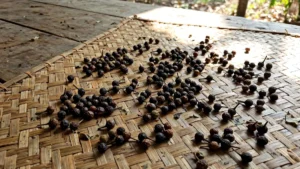
The Šar Mountains hold wild juniper across their high pastures, where shepherds have picked the berries for generations. The stay is a small stone house at the village edge, with berry racks outside the kitchen.
What We Like: The mountain walk is the wildest on this list, with juniper growing free across open pasture.
What to Consider: The roads are slow and steep, the village is small, and English is limited outside the main towns.
Best For: Wild juniper country, far from the coast.
Style: Stone house at the edge of a mountain village.
Price Range: $115–$150 a night for two, meals and pasture walk included.
Standout Feature: Drying racks full of berries outside the kitchen door.
Provence, France — Juniper Beside the Lavender Rows
Provence grows juniper on its dry hills, where the bushes stand beside lavender rows and old stone walls. The stay is a small lodge above the valley, with morning walks into the juniper stands.
What We Like: The hill walk is the most colourful on this list, with juniper and lavender in the same view.
What to Consider: The hills are dry and hot, the farm is small, and the picking season is short.
Best For: Juniper and lavender growing side by side.
Style: Hillside lodge with views over the lavender fields.
Price Range: $140–$175 a night for two, breakfast and a distillery visit included.
Standout Feature: A distillery visit with berries from the farm’s own bushes.
Atlas Mountains, Morocco — Juniper Above the Valleys
The Atlas Mountains grow a juniper the locals call thurifer, with tall, straight trees that stand above the valleys like sentinels. The stay is a mud-brick guesthouse in the village, its rooms opening onto a terrace.
What We Like: The mountain light is the most striking on this list, with juniper trees standing dark against red rock.
What to Consider: The altitude is high, the paths are rough, and the village is a long drive from any city.
Best For: Tall juniper trees in a mountain village.
Style: Mud-brick guesthouse with a mountain terrace.
Price Range: $165–$200 a night for two, meals and mountain walk included.
Standout Feature: Mint tea at dusk under the oldest juniper on the farm.
Scottish Highlands, Scotland — Juniper on the Moor
The Scottish Highlands grow juniper across their moors, where the low bushes spread between heather and birch. The stay is a stone cottage near a small gin distillery, above the glen.
What We Like: The distillery visit is the best show on this list, with the stills running a few steps from your room.
What to Consider: The weather turns fast, the moor is wet underfoot, and the midges are out in summer.
Best For: Juniper picked for a distillery you can walk to.
Style: Stone cottage beside a small gin distillery.
Price Range: $195–$230 a night for two, breakfast and moor walk included.
Standout Feature: A still tour with berries picked that morning in the mash.
Lapland, Finland — Juniper Under the Northern Sky
Lapland grows juniper low and tough, with bushes that hug the ground against the Arctic wind. The stay is a wooden cabin near a lake, with a sauna and evening foraging.
What We Like: The evening foraging is the calmest hour on this list, with the lake still and the sky wide open.
What to Consider: The berries are small and the season is short, the cabins are simple, and the mosquitoes are fierce in July.
Best For: Arctic juniper and a sauna after the picking.
Style: Wooden lakeside cabin with a sauna.
Price Range: $225–$260 a night for two, breakfast and foraging walk included.
Standout Feature: Berries foraged by hand in the long northern evening.
High Desert, Oregon, USA — Juniper Across the Open Country
Oregon’s high desert grows western juniper across wide, open country, where the old trees stand alone against a huge sky. The stay is a ranch house on a working farm, above the desert.
What We Like: The open country is the most spacious setting on this list, with juniper trees standing alone for miles.
What to Consider: The desert is hot by day and cold at night, the farm is far from any town, and a car is essential.
Best For: Big-sky juniper country, reached by dirt road.
Style: Ranch house on a working desert farm.
Price Range: $260–$300 a night for two, breakfast and desert drive included.
Standout Feature: A fire under the stars with juniper smoke in the air.
Himalayan Foothills, Nepal — Juniper on the Incense Trails
The Himalayan foothills grow juniper on steep trails where the branches are cut for incense and the berries are gathered by hand. The stay is a hillside lodge above the valley, with terraces and morning trail walks.
What We Like: The mountain trails are the most dramatic on this list, with juniper growing beside prayer flags and pine.
What to Consider: The altitude is high, the trails are steep, and the lodge is a long walk from the nearest road.
Best For: Juniper on the trail to the high mountains.
Style: Hillside lodge with terraces above the valley.
Price Range: $345–$380 a night for two, meals and trail walk included.
Standout Feature: Juniper branches dried for incense beside the lodge door.
Which juniper region fits your trip
If you want the classic juniper story, start in Tuscany or the Balkans. Chianti is the easiest first stop, with vineyards beside the picking walk. September still catches the harvest in Chianti, where the berries ripen late. Istria suits travellers who want the sea with their spice, and the Šar Mountains suit those who want wild juniper and a mountain village instead of a coast.
For a distillery trip, the Scottish Highlands and Provence both work, but they feel different. The Highlands are wet and green, with the stills a short walk away. Provence is dry, bright, and fragrant, with lavender in the same view as the juniper, and the distillery a short drive away.
For the adventurous, Lapland, Oregon, and Nepal are the far ends of this list. Lapland is quiet and northern, with long-evening foraging. Oregon is wide and dry, with old trees standing alone in the desert. Nepal pairs juniper with incense trails and mountain views no other stay on this list can match, but the travel is slow. The Atlas Mountains suit travellers who want tall juniper trees and a village stay, and the cinnamon farm retreats we covered earlier share the same shade-grown, small-farm spirit, and they pair well with a juniper trip if you want two spice regions in one journey.
The caveats that matter
Juniper farms are working farms, not resorts, and the trip works best when you arrive knowing that. Berries ripen over two to three years, so a single bush holds green cones, half-ripe cones, and dark ripe ones at the same time. Pick only the dark blue-black cones, and leave the green ones for next year. Book around the picking weeks if the harvest is the reason you are going.
Juniper is also a strong flavour, and the berries are not a snack. A few crushed berries season a stew or a gin; a handful eaten raw is bitter and resinous, and the farm will tell you not to try it. Taste one, learn the flavour, and leave the rest for the kitchen and the still.
| Detail | What is known |
|---|---|
| Berries vs cones | Juniper berries are fleshy cones, not true berries, and they ripen over two to three years. |
| Ripe colour | Pick only dark blue-black cones; green ones are unripe and bitter. |
| Best season | Late summer into autumn, when the ripe cones are dark and soft. |
| Gin link | Juniper is the defining flavour of gin, and several farms distil their own. |
| Gluten | Juniper berries are gluten-free; farm bread and noodles are wheat. |
| Footwear | Closed walking shoes; scrub and moor paths turn slick after rain. |
| Group size | Most stays host fewer than ten guests at once. |
| What to buy | Dried berries from the farm shed, not ground spice from a market stall. |
Checklist: booking a juniper farm stay honestly
- Ask when the berries ripen and build the trip around the picking weeks.
- Check whether the farm distils gin or sells its berries on.
- Tell the farm about gluten-free needs in your first email.
- Pack closed walking shoes and a rain jacket for wet scrub and moor.
- Confirm the rate covers meals, walks, and transfers before you pay.
- Buy dried berries at the farm shed; they keep longer than ground spice.
Frequently asked questions
Are juniper berries really berries?
No. They are fleshy cones, the seed cones of an evergreen conifer, and they look like berries because the scales have fused into a round, blue-black ball. They take two to three years to ripen, which is why one bush holds green cones, half-ripe cones, and dark ripe ones all at once.
When do juniper farms pick their berries?
Berries are picked in late summer into autumn, when the ripe cones are dark blue-black and soft between the fingers. The dates shift with the weather each year, and the picking weeks are short. Get the farm’s dates first, then shape the trip around them.
Can guests pick berries themselves?
Most farms on this list welcome pickers, and the picking is the highlight of the visit. The picker shows you which cones are ripe, how to twist them off without tearing the branch, and how to tell a two-year cone from a three-year one. The baskets fill slowly, which is the point: picking is patient work.
Does a juniper farm work for a gluten-free traveller?
The berries carry no gluten, and the farms here will cook without wheat if you warn them at booking time. Bread and noodles at the table are the risk, since both are wheat. Raise it early, and ask the cook what will replace them.
How far ahead should I book a juniper farm stay?
Book two months ahead for the picking weeks; tiny farms fill fast. Outside the harvest, a few weeks usually does it. The nutmeg farm retreats keep the same small-farm rhythm, and their own picking weeks sell out just as fast.
What belongs in the bag for juniper country?
Sturdy closed shoes, a rain jacket, long trousers for the scrub, and a small bag for dried berries. Rain makes the paths slick, and the picking baskets kick up dust. Carry cash for the farm shop, since card machines seldom work in the hills. The saffron farm retreats ask for the same kit, and the same warning about muddy paths holds there too.
The bottom line
A juniper trip is the stillest of the spice journeys, and that stillness is the point. No show, just patient hands, dark cones, and resin on the evening air. The finest stays here put you beside the work and feed you from berries picked that same morning. Choose the region that suits your taste for travel, time it for the picking weeks, and learn which juniper grows there before you go.
Chianti is the easiest first juniper trip, Nepal the most dramatic, and the Highlands the best for gin lovers. All nine stays grow real juniper and show the whole process, from bush to basket to kitchen or still. Go for the picking, stay for the cooking, and bring dried berries home from the farm shed. The gin is a bonus, not the reason: the berries, the bushes, and the farm table are the trip.