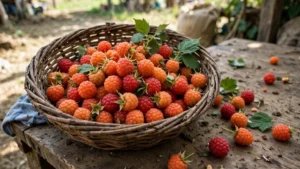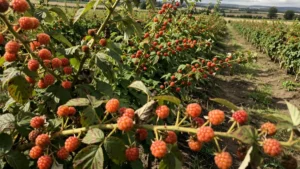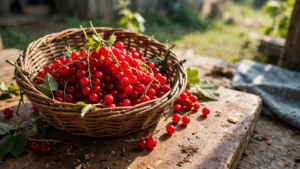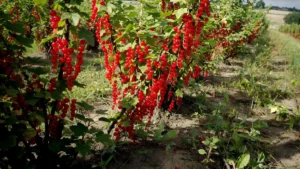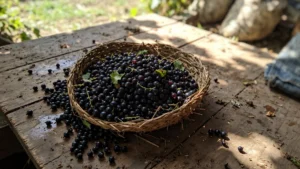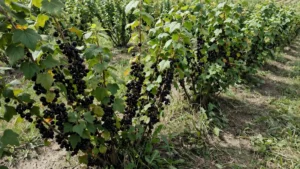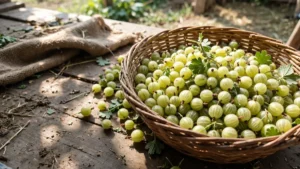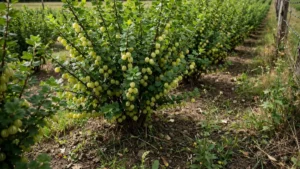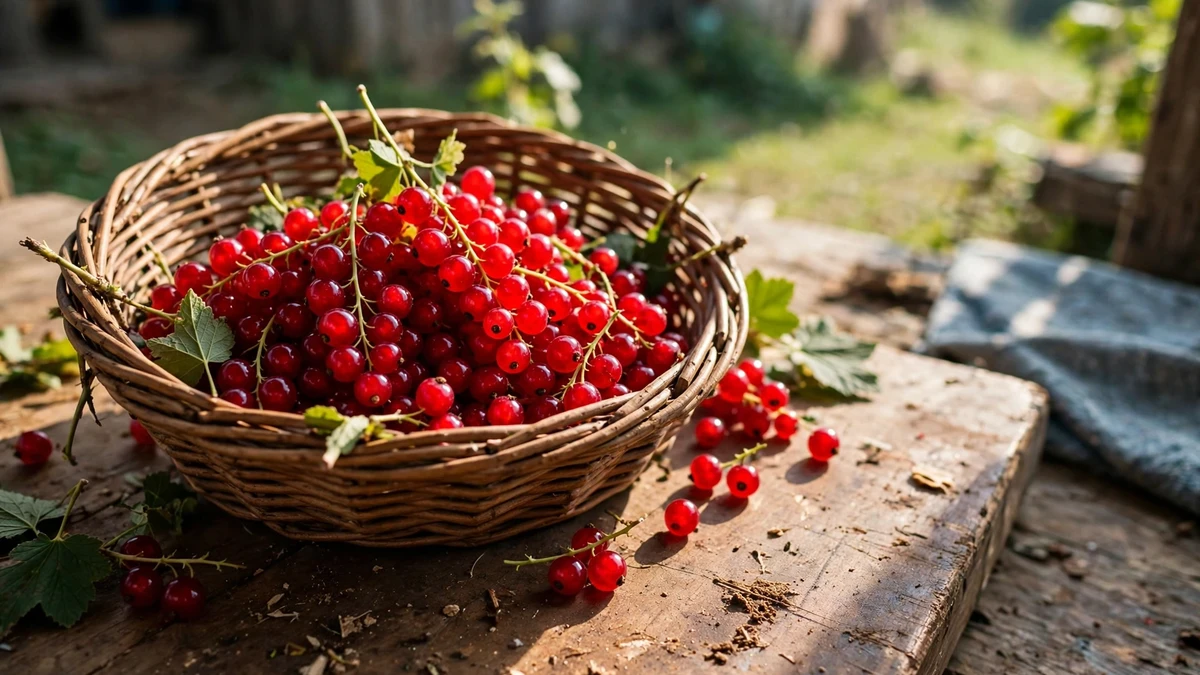

A redcurrant farm escape is a short stay built around a sharp little berry. The bushes are low, the strings hang bright red, and the picking is quick work with a punnet. The farm then does what it does best: it turns the harvest into jelly, sauce, and summer pudding while you are still in the rows.
The fruit is too tart to eat by the handful, and the trip is honest about that. You are booking a cooking holiday as much as a farm holiday, where the kitchen matters as much as the bushes and the best souvenir is a sealed jar. Stay somewhere that grows redcurrants as a main crop and the whole escape tastes of it.
What follows is a plan for a redcurrant farm escape in 2027, in nine steps, from tasting the fruit first to carrying the jelly home.
Key takeaways
- The flush is short, so settle the picking fortnight first and let the flights follow it.
- Look for strings that are bright red and firm; the berries should come away with a gentle pull, and pale ones need more time on the bush.
- Because the fruit is made for cooking, favour the farm whose kitchen turns its own harvest into jelly, sauce, and summer pudding.
- The rate usually covers a row walk and a tasting; meals, transfers, and jelly sessions are often charged apart.
- Bread and puddings are baked every morning on these farms, so put any wheat allergy in writing before you book.
What a redcurrant farm escape involves
A redcurrant farm escape means two or three nights on a working berry farm, usually in a plain room at the edge of the rows. Mornings begin early: the host walks the bushes, guests fill a punnet, and breakfast arrives with jelly made the day before. Rooms are simple, gardens are shared, and the host is usually the person who planted the bushes.
The rest of the day moves slowly. There may be a jelly-making session in the kitchen, a walk to the farm gate stall, or a drive into the nearest town for supplies. Evenings stay quiet, and the kitchen cooks with the day’s picking. It suits people who want their food to come from the field they stand in.
The escape suits a first-time farm traveller, because the farms are small, the hosts are used to guests, and the fruit is easy to pick. The cranberry farm escape guide runs on the same lines: small stays, honest hosts, and a kitchen that cooks with the harvest every day.
A typical day starts before the sun is high, with the host checking which rows are ready and handing out punnets. By late morning the kitchen is already at work, and the afternoon belongs to the jelly pot, the farm gate stall, or a walk into the village. Nothing is hurried, and nothing is staged: the farm runs its normal day, and guests fit into it. The host will show you how to strip a string without bruising the berries, and the kitchen will show you how much sugar the juice needs.
How to plan it, and what to ask first
Lead with the fruit, not the flight. Find a market stall selling redcurrant jelly or fresh strings, taste it, and decide whether you like the sharpness. If the tartness puts you off, no farm will change your mind. If it wins you over, you will know what to look for in a kitchen.
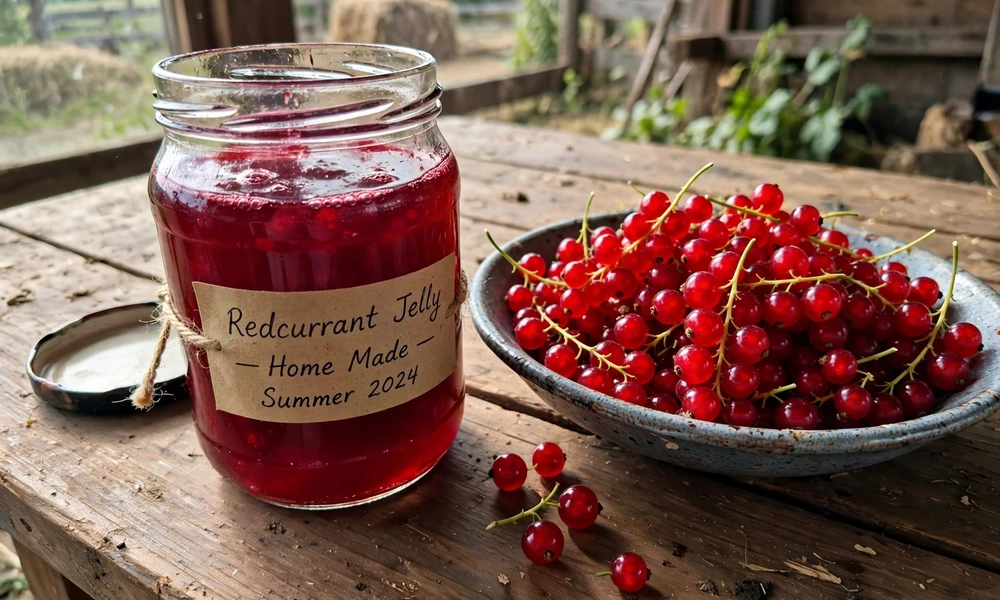
Ask each farm for its picking dates, then arrange travel that lands a day before picking starts. The strings ripen across two or three weeks, and the best fruit comes in the middle of the flush. Ask what the rate covers: room, breakfast, row walk, tasting, jelly session, and transfers are six separate things, and some farms bill each one apart.
Ask about the kitchen before you ask about the room. A farm that makes jelly daily will say so in its first message, and a farm that buys its jam in will change the subject. A farm that answers in plain terms is usually well run.
Finally, ask about the small things that decide whether a stay feels easy: whether the farm lends wellingtons for wet mornings, whether breakfast runs early enough for the picking, and whether the host can point you to a pharmacy or a clinic if a sting turns nasty. Ask whether the farm keeps a first-aid kit in the kitchen, and whether the nearest town has a late shop for anything you forgot. These are the answers that separate a farm used to guests from one that merely tolerates them.
The 9 steps to plan a redcurrant farm escape
Start at a market stall and let the jelly speak for itself
What to do: Buy a jar of redcurrant jelly at a market and eat it slowly, noting whether you like it sharp or sweet. A market jar costs little, and it teaches you more about the fruit than any photograph can. The flavour you favour points to the region: cool climates sharpen the fruit, warm ones sweeten it. What to avoid: Picking a region from photographs alone, without knowing whether you like the fruit sharp or sweet. Best for: Travellers who have never tasted a farm redcurrant. Time needed: An afternoon at a market. Standout tip: Taste red and white currant jelly side by side if the stall has both, because they come from the same species and ripen weeks apart.
Wait for the farm’s picking dates before spending on travel
What to do: Ask each farm for its picking dates, then book flights that land a day before picking starts. The strings bear for a few weeks at a time, and the best berries come in the middle of the flush. What to avoid: Booking flights first and hoping the bushes play along, because an open farm is not the same as a bearing farm. Best for: Travellers with dates that bend. Time needed: One afternoon of messages. Standout tip: Aim for the middle of the flush, when the strings are fully red and the kitchen is at its busiest.
Find a farm that stirs its jelly pot every day
What to do: Read the farm’s own description of its kitchen, then ask how often it makes jelly from its own harvest. A farm that cooks daily will name its jelly, its sauce, and its summer pudding in the first message. What to avoid: Booking on the strength of the rooms alone, because a pretty bedroom cannot make up for a kitchen that buys its jam in. Best for: Travellers who travel to eat. Time needed: An evening reading menus. Standout tip: Ask for the week’s menu before you book.
Find out if the punnet in your hand is yours to fill
What to do: Ask the host whether guests pick their own strings, and whether a guide walks the rows with them. Picking is the point of the trip, and a farm that lets you strip the strings will say so plainly. What to avoid: Assuming picking is included, because some farms keep the harvest to the crew and only show guests the rows. Best for: Travellers who like to work with their hands. Time needed: One message to the host. Standout tip: Bring a punnet of your own, because the farm’s may be spoken for by the kitchen.
Choose a room where the currant rows greet you at dawn
What to do: Ask for the room with the rows outside the window, and check whether it catches the morning sun. Waking to the strings is half the pleasure, and the picking starts at first light. What to avoid: Taking the cheapest room without asking what it faces, because the garden side can be a car park in disguise. Best for: Travellers who rise early. Time needed: One message when you book. Standout tip: A room facing east catches the picking light and the first sun on the strings.
Flag wheat in the first note you write to the farm
What to do: Write to the farm about any wheat or gluten allergy in your first message, and ask what the kitchen will cook for you. The berries carry no gluten, but the bread and puddings do. What to avoid: Mentioning it only on arrival, when the kitchen has already baked for the week. Best for: Anyone who eats gluten-free. Time needed: Ten minutes in your first email. Standout tip: Ask whether the jelly is set with anything but fruit and sugar, and whether the puddings can be made without flour.
Put on long sleeves and gloves before the rows
What to do: Pack long sleeves, gloves, closed shoes, and a hat, and carry water for the rows. The bushes are scratchy, the wasps love ripe fruit, and the midday sun is strong even in the north. What to avoid: Picking in shorts and sandals, because the thorns scratch and the wasps sting where the skin is bare. Best for: Travellers who pick properly. Time needed: An evening packing. Standout tip: Dark clothes hide the juice stains, and a light scarf keeps the wasps off your neck.
Spend market morning walking the village with the cook
What to do: Ask the cook whether guests can join the morning market trip, and go along if the answer is yes. The market shows what the region eats with its currants, and the cook will point out the stalls worth your money. What to avoid: Sleeping through the market morning, because the best stalls sell out before nine. Best for: Travellers who like markets. Time needed: A morning before breakfast. Standout tip: Buy the bread at the market, because the farm’s own loaf is often baked for dinner, not breakfast.
Take the jelly home in sealed jars and leave fresh berries behind
What to do: Buy your jelly at the farm shop on the last morning, sealed and labelled, and pack it in the middle of your bag. Fresh strings bruise in transit and leak juice over everything. What to avoid: Packing fresh fruit for the flight home, because it softens in the heat and stains the bag. Best for: Travellers who want a souvenir that lasts. Time needed: Half an hour in the farm shop. Standout tip: Ask the host to date the jars, because redcurrant jelly keeps a year and the date tells you when to open it.
Picking the right season and region
Start with Kent or Lorraine if this is your first farm escape: the flights are short, the farms are gentle, and the season forgives a late booking. The Betuwe and Funen give you quiet rows and cool air. Worcestershire and the Rhineland are the cooks’ choice, because the kitchens bake with the fruit daily. Poland and Tasmania are for travellers who want the farm to be the whole holiday, not a weekend away.
If you must choose one, make it Kent. The farm knows its guests, the season runs long, and the kitchen cooks with the fruit daily. Ask the host directly when the strings will be bearing, and take the room that faces the rows. The raspberry farm escape guide lands in the same place: pick the farm that cooks with its crop every day, and the rest of the trip follows.
The caveats that matter
Redcurrant farm escapes are lovely, but they do not suit everyone. The berries keep to their own calendar, the farms sit well away from town, and the honest stays say plainly what is ripening and what is not.
| Detail | What is known |
|---|---|
| When to go | Midsummer, while the strings are bearing; the precise weeks move by country |
| The two main kinds | Redcurrants are bright red and tart; white currants share the species, paler and sweeter |
| Spotting ripe fruit | Bright red throughout, firm and glossy, with no pale berries left on the string |
| Usually in the rate | Room and breakfast with a row walk or tasting; jelly-making and transfers often cost extra |
| Best suited to | Slow travellers, keen cooks, and families with older children |
| Think twice if you want | Nightlife, fast service, or a packed daily programme |
| Getting there | Usually an hour or more from the nearest airport; sort the lift before you arrive |
| Never promised | Berries on your dates; the crop rests on weather, season, and the bush’s own rhythm |
The berries themselves carry no gluten, yet the farm kitchen bakes bread and puddings each morning, so ask how it keeps flour off your plate. Because the fruit is tart, it keeps best as jelly, so eat it cooked on the day it is picked and carry jelly home rather than fresh strings. Anyone with a health condition, anyone expecting, and anyone travelling with small children should check where the nearest clinic sits, when the farm last sprayed, and whether the paths suit little feet.
Checklist: before you book a redcurrant farm escape
Work through these before you pay, then again in the week before you travel.
- Confirm the strings will be bearing on your dates, not only that the farm is open.
- Confirm what the rate covers: row walk, tasting, meals, transfers, and which carry an extra charge.
- Confirm how long the airport drive takes, and whether the farm sends a car.
- Confirm which way the bedroom window faces, rows or garden, and whether there is shade or a fan.
- Confirm how big the field is, whether it is organic, and when it was last sprayed.
- Seek reviews from guests who travelled in the same season as your planned trip.
Frequently asked questions
How long should a redcurrant farm escape last?
Two or three nights is enough. The picking takes a morning, the jelly session takes an afternoon, and a third night lets you visit the village market without rushing. Longer stays suit travellers who want to cook with the farm for a full week.
Do you need a hire car for a redcurrant farm?
Usually, yes. The farms sit an hour or more from the nearest airport, and the bus runs rarely. Book the farm’s own lift if it offers one, or hire a car at the airport and drive yourself.
Is picking part of the farm walk?
Yes, on most farms, provided you walk the rows with a guide and ask first. Some farms hand guests a punnet for a few strings, while others leave the picking to the crew because the bushes spread wide and damage easily. Mention it when you book.
What is the difference between redcurrants and blackcurrants?
Redcurrants are bright red, tart, and grown for jelly and sauce, while blackcurrants are dark purple, stronger in flavour, and grown mostly for juice and cordial. Both grow on bushes in strings, but the blackcurrant is richer and the redcurrant is cleaner and sharper.
Is a redcurrant farm escape suitable for children?
Yes, for older children who can walk the rows and strip a string without breaking the bush. Small children tire quickly in the heat, and the wasps bother them, so bring hats, water, and a plan for the afternoon.
How can a gluten-free traveller eat safely at a redcurrant farm?
Tell the farm when you book. The berries themselves carry no gluten, and the jelly is usually safe. The risk sits in the bread and puddings baked each morning, so ask how the farm keeps flour off your plate. The rosehip farm escape guide runs on the same rule: write to the farm first, and ask what the kitchen will cook for you.
The bottom line
A redcurrant farm escape suits travellers who want their food to come from the bush beside them, and who are glad to let the picking set the day. The fruit is sharp, the season is brief, and the best stays pick it, serve it fresh, and turn the rest into jelly without any fuss.
Pick the region for what you want most: the old brick walls of Kent, the river dykes of the Betuwe, or the green meadows of Skåne — and bring the jelly home sealed, not the berries themselves. A jar of it will outlast any photograph.