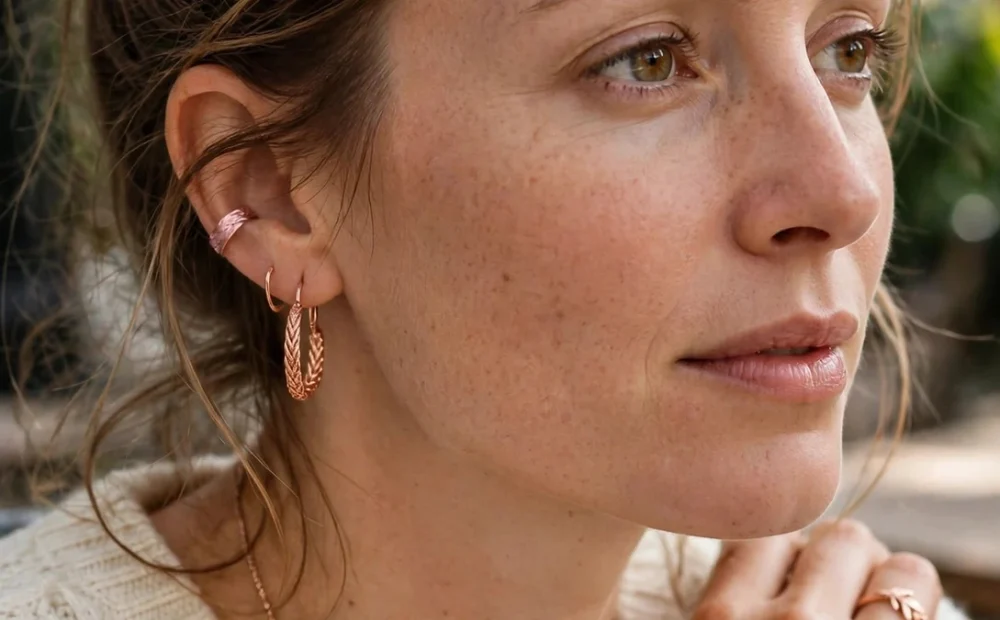
Rose gold jewellery has quietly moved from a passing trend to a permanent fixture in most jewellery boxes. Its warm, pinkish tone flatters a wide range of skin tones, it sits comfortably between the coolness of silver and the richness of yellow gold, and it works just as well on a simple everyday chain as it does on a diamond-set ring. The problem is not finding rose gold jewellery. It is knowing which pieces are genuinely well made, which ones will keep their colour, and which ones are rose gold only in name.
That is why this guide looks at the pieces themselves, not just the colour. Rose gold is an alloy, a mix of gold and copper, and the copper is what gives it that blush tone.
Below are nine rose gold jewellery pieces worth considering in 2027, from a classic cable chain necklace to a slim tennis bracelet and an engraved signet ring. Each one is described by what it does well, what to watch for, and who it suits best, so you can choose with your wardrobe and your budget in mind, not just a colour you like in a photograph.
Key takeaways
- Rose gold is gold mixed with copper, and the copper is what gives it its warm pink tone.
- 14k and 18k rose gold keep their colour well, while rose gold vermeil and plated pieces need gentler care and will wear faster.
- The best everyday pieces are simple, solid, and comfortable, with secure clasps and no sharp edges.
- Rose gold suits warm and neutral skin tones particularly well, and it mixes easily with yellow gold and silver.
- No rose gold piece stays perfect forever, and plated or vermeil rose gold will fade with heavy wear, perfume, and water.
What rose gold jewellery actually is
Rose gold is not a separate metal dug from the ground. It is an alloy, made by mixing pure gold with copper and a small amount of silver. The copper gives it the pink tone, and the more copper in the mix, the deeper and more coppery the colour. A typical 14k rose gold piece is about 58 percent gold, with the rest mostly copper, while an 18k piece is about 75 percent gold and has a softer, paler pink. That difference matters, because it affects both the colour and how the piece wears over time.
The colour is also affected by the finish. A polished rose gold piece looks brighter and more reflective, while a brushed or matte finish looks softer and more understated. Both are genuine rose gold, and the choice is a matter of taste, but a polished finish shows scratches more easily, and a matte finish can look dull if it is not cleaned regularly.
It helps to understand how rose gold compares with the other gold colours before you buy, because the differences are about more than looks. Our guide to gold versus rose gold jewellery sets out the colour, the durability, and the price differences in plain terms, and it is worth reading if you are choosing between the two for a piece you plan to wear every day.
How we chose these pieces and what to look for
Look first at the metal and how it is made. Solid 14k or 18k rose gold is the most durable choice and the best value over time, because the colour runs through the whole piece and cannot wear away. Rose gold vermeil, which is a thick layer of gold over sterling silver, is a good middle ground, but it needs gentler care and will eventually show wear. Thin plating over a base metal is the cheapest option and the least durable, so it is best for pieces you wear occasionally rather than every day.

Look next at the clasp, the setting, and the weight. A necklace with a flimsy spring-ring clasp will frustrate you every morning, and a bracelet that is too light for its size is often hollow and easier to dent. Stones should sit level in their settings, with no wobble and no sharp prongs catching on fabric. A piece that feels balanced in the hand usually feels balanced when worn, and that is a better guide than the price tag alone.
Finally, think about how the piece fits your life. A slim chain and a small pendant suit a desk job and a silk blouse. A chunky curb link bracelet suits a weekend and a denim jacket. A ring with a raised stone needs more care than a smooth band, and earrings with a heavy drop will pull on the ear by the end of the day. The right piece is the one you reach for without thinking, not the one you admire in a box and leave at home.
The 9 best rose gold jewellery pieces of 2027
The Classic 14k Rose Gold Cable Chain Necklace
What we like: A simple, well-made cable chain in solid 14k rose gold, with a warm, even pink tone and a secure lobster clasp. It sits neatly at the collarbone and layers well with other necklaces. What to consider: A plain chain can look sparse on its own, so it works best with a small pendant or layered with a second chain. Best for: Everyday wear and layering. Material: Solid 14k rose gold. Price range: Mid to high. Standout feature: The even, warm colour that flatters most skin tones.
The Slim Rose Gold Vermeil Tennis Bracelet
What we like: A row of small, evenly set stones on a slim rose gold vermeil band, light enough for all-day wear and pretty enough for an evening out. What to consider: Vermeil wears faster than solid gold, so keep it away from perfume and water, and expect the colour to soften over time. Best for: Occasions and evenings. Material: Rose gold vermeil over sterling silver. Price range: Mid. Standout feature: The continuous sparkle of the stone line.
The Rose Gold Stud Earrings with a Small Diamond
What we like: Small, secure studs with a single diamond each, set in solid rose gold. They are comfortable enough to sleep in, and the warm metal makes the stones look softer. What to consider: The stones are small, so they read as subtle rather than showy, and the screw backs can take a moment to fasten. Best for: Everyday wear. Material: Solid 14k rose gold with diamonds. Price range: Mid to high. Standout feature: The way the warm metal softens the sparkle.
The Engraved Rose Gold Signet Ring
What we like: A solid 14k rose gold signet with a flat face and a clean engraved initial, comfortable to wear and easy to read at a glance. What to consider: Engraving is permanent, so choose an initial or a symbol you will not tire of, and check the ring size carefully before ordering. Best for: Personal, everyday wear. Material: Solid 14k rose gold. Price range: Mid to high. Standout feature: The engraved face, which makes it unmistakably yours.
The Delicate Rose Gold Pendant Necklace
What we like: A fine chain with a small rose gold pendant, light, comfortable, and easy to wear with both a plain t-shirt and a silk dress. What to consider: A fine chain tangles easily, so store it flat and fastened, and avoid wearing it with heavy knitwear that can snag it. Best for: Everyday wear. Material: Solid 14k rose gold. Price range: Mid. Standout feature: The delicate scale, which suits a smaller frame.
The Rose Gold Hoop Earrings
What we like: Medium-sized hoops in polished rose gold, light enough for all-day wear, with a smooth finish and a secure hinged closure. What to consider: Larger hoops can feel heavy by evening, so choose a size you can wear for eight hours without noticing it. Best for: Everyday wear and evenings. Material: Solid 14k rose gold. Price range: Mid. Standout feature: The warm, polished shine.
The Chunky Rose Gold Curb Link Bracelet
What we like: A solid, well-weighted curb link bracelet in 14k rose gold, with a reassuring clasp and a rich, even colour. It makes a statement without any stones. What to consider: It is heavier than a slim bracelet, so try it on before buying, and it can scratch a watch worn on the same wrist. Best for: Weekends and statement looks. Material: Solid 14k rose gold. Price range: High. Standout feature: The weight and the bold, clean links.
The Minimal Rose Gold Band Ring
What we like: A slim, smooth band in solid 14k rose gold, comfortable, unobtrusive, and easy to stack with other rings. What to consider: A plain band shows scratches more readily than a textured one, so expect it to develop a soft patina with wear. Best for: Everyday wear and stacking. Material: Solid 14k rose gold. Price range: Mid. Standout feature: The clean, simple profile.
The Rose Gold Locket Necklace
What we like: A solid rose gold locket on a fine chain, with a hinged case that opens to hold a small photograph. It feels personal in a way few other pieces do. What to consider: The locket adds weight to the chain, so choose a chain strong enough to carry it, and keep the hinge clean so it opens smoothly. Best for: Sentimental, everyday wear. Material: Solid 14k rose gold. Price range: Mid to high. Standout feature: The hinged case and the photograph inside.
Which rose gold piece is right for you
Start with how you actually dress. If your wardrobe is mostly neutral, with black, white, navy and grey, rose gold will add warmth without clashing, and almost any piece on this list will work. If you wear a lot of warm colours, such as camel, olive and burgundy, rose gold will blend in beautifully.
Think next about how much care you are willing to give. Solid 14k or 18k rose gold is forgiving: it can be cleaned at home, polished by a jeweller, and worn every day. Vermeil and plated pieces are less forgiving, and they suit people who are happy to take jewellery off before washing hands, applying perfume, or exercising. If you want a piece you never have to think about, solid gold is worth the extra cost.
Finally, consider the rest of your jewellery. Rose gold mixes well with yellow gold and with silver, so you do not need to replace everything you own. A rose gold necklace with a yellow gold ring, or a rose gold bracelet with a silver watch, looks intentional rather than mismatched, as long as one metal leads and the other supports it. If you already own rose gold nose jewellery, for example our roundup of the best rose gold nose rings, a rose gold necklace or bracelet in the same tone will tie the look together neatly.
The caveats that matter
Rose gold is durable, but it is not indestructible. The copper in the alloy can react with skin chemistry, moisture and chemicals, and over time a rose gold piece can darken slightly, especially in the creases and under the setting. That is normal, and a jeweller can polish it back, but it is worth knowing before you buy, particularly if you have skin that reacts to copper.
| Detail | What is known |
|---|---|
| What rose gold is | Gold mixed with copper, and a little silver, for a warm pink tone |
| Best metal for everyday wear | Solid 14k or 18k rose gold, which keeps its colour longest |
| Vermeil and plated pieces | A gold layer over silver or base metal; pretty, but wears faster and needs gentler care |
| Who should take care | People with copper sensitivity, and anyone who wears jewellery in water or while exercising |
| What fades the colour | Perfume, lotions, chlorine, salt water, and heavy daily wear on plated pieces |
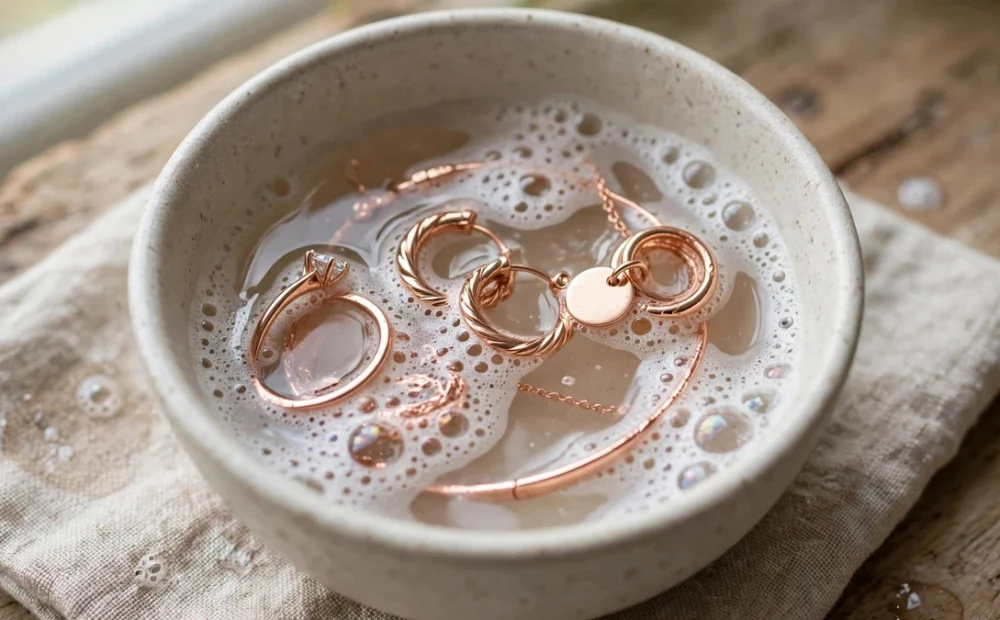
| How to clean it | Warm soapy water, a soft cloth, and a gentle dry; avoid harsh chemicals and ultrasonic cleaners on set stones |
| How it ages | Solid rose gold develops a soft patina and can darken slightly; a jeweller can polish it back |
| What it does not do | It does not stay bright pink forever on plated pieces, and it is not the best choice for very active hands without care |
If you are buying a ring, have your size measured properly rather than guessing, and remember that a wider band fits more snugly than a slim one. If you are buying for someone else, a necklace or a bracelet is a safer gift than a ring, because the size is more forgiving. And if a piece is described as rose gold but priced far below other rose gold pieces, check whether it is plated rather than solid, because that is usually the reason.
Checklist: choosing rose gold jewellery honestly
Use these checks before you buy, and again when the piece arrives.
- Check the metal: solid 14k or 18k rose gold for everyday wear, vermeil for occasional wear, and plated only if you accept it will fade.
- Check the colour: it should be an even, warm pink, not blotchy, orange, or patchy.
- Check the clasp and the setting: clasps should close firmly, and stones should sit level with no wobble.
- Check the weight: a solid piece feels balanced, while a very light piece is often hollow or thinly plated.
- Check the size: measure your finger or wrist properly, and remember that wider bands fit more snugly.
- Check the care: if you will not take it off before water and perfume, choose solid gold, not vermeil or plated.
Frequently asked questions
Does rose gold jewellery tarnish?
Solid rose gold does not tarnish the way silver does, but it can darken slightly over time, because the copper in the alloy reacts with air and moisture. A gentle clean or a jeweller’s polish restores it. Plated and vermeil rose gold can wear through to the metal underneath, which is a different problem and cannot be polished away.
Is rose gold good for everyday wear?
Yes, if it is solid 14k or 18k rose gold. It is hard-wearing, comfortable, and keeps its colour well with basic care. Vermeil and plated rose gold are better kept for occasional wear, because daily contact with water, perfume and skin will wear the surface faster.
Does rose gold suit all skin tones?
It suits warm and neutral skin tones particularly well, and it looks good on most people. On very cool skin it can still work, especially in a smaller piece, but yellow gold or white gold may feel more natural. The best test is to hold the piece against your skin in daylight and see whether it warms your complexion or fights it.
Can I mix rose gold with other metals?
Yes. Rose gold mixes well with yellow gold and with silver, and mixed-metal jewellery is widely worn. The trick is to let one metal lead: wear mostly rose gold with one yellow gold or silver accent, rather than equal amounts of three metals, which can look scattered.
How do I clean rose gold jewellery?
Warm water with a drop of mild soap, a soft cloth or a soft brush for details, then rinse and dry completely. Avoid harsh chemicals, chlorine, and abrasive cloths, and take the piece to a jeweller for a professional clean once a year. For a full step-by-step routine, our guide to gold jewellery for everyday wear is a useful companion, because the care principles are the same.
Is rose gold more expensive than yellow gold?
Usually not. At the same karat, rose gold and yellow gold cost roughly the same, because both are mostly gold with a small amount of alloy. The price differences come from the karat, the weight, the stones, and the maker, not from the colour itself.
The bottom line
The best rose gold jewellery in 2027 is not the pinkest or the most expensive. It is the piece that suits your skin, your wardrobe, and the way you actually live, made in a metal that will keep its colour with the care you are willing to give it. For everyday wear, solid 14k rose gold is the sensible choice. For occasions, vermeil can look just as lovely at a lower price, as long as you know it needs gentler handling.
Start with one piece you will wear every day, a chain, a pair of studs, or a slim band, and see how the colour sits with your skin and your other jewellery before you build a collection. Rose gold rewards a slow, thoughtful approach, and a single well-chosen piece will tell you more about what suits you than a drawer full of impulse buys.