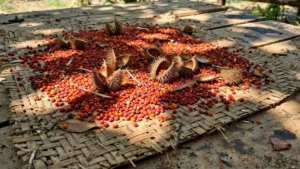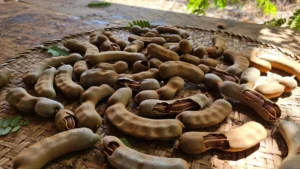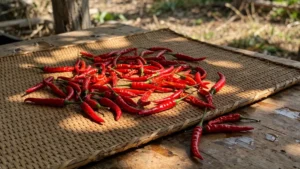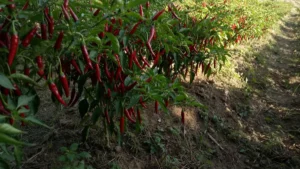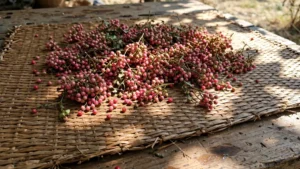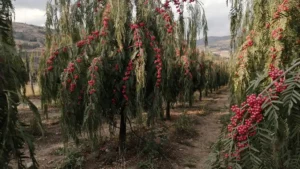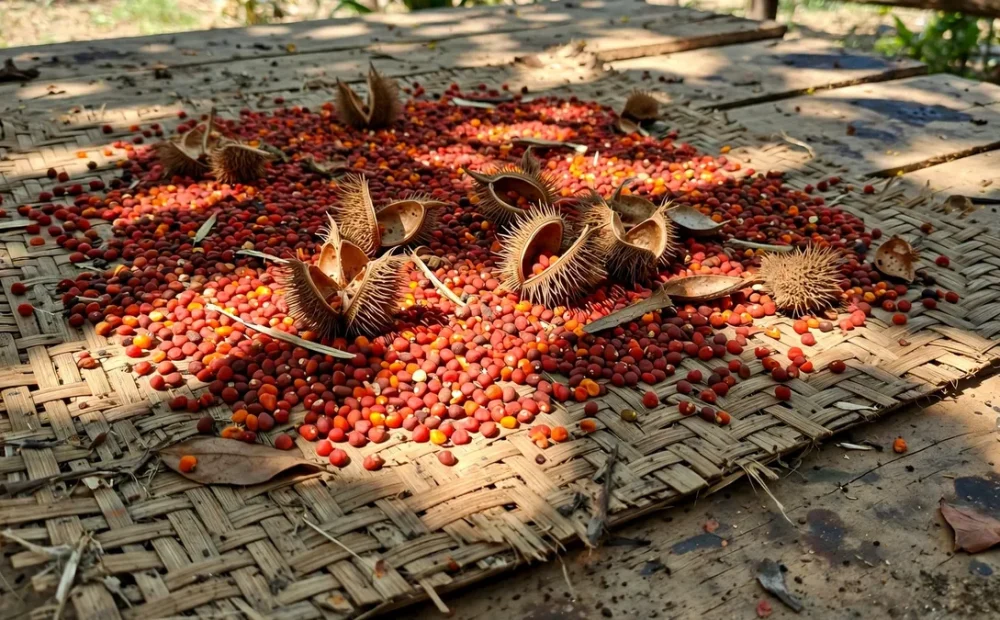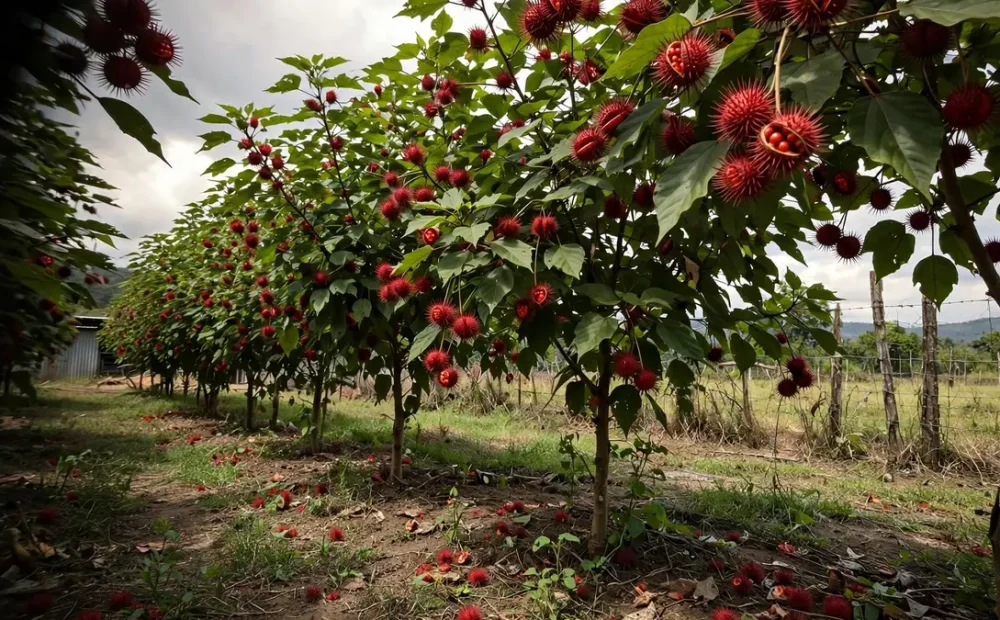

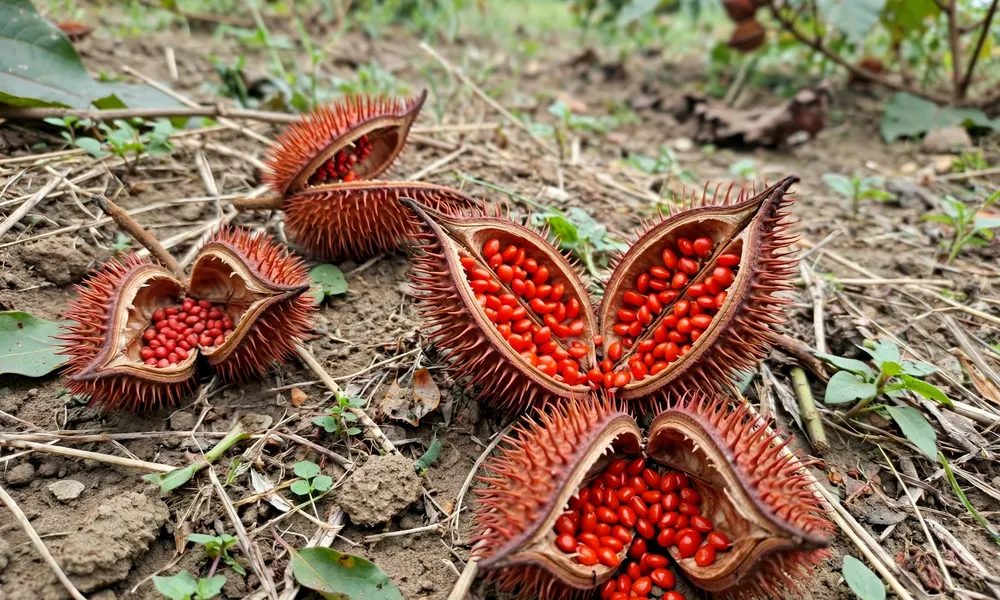
Annatto is the colour crop, and the quietest one on the farm. The seeds sit inside spiny, heart-shaped pods on a small evergreen tree, and when the pods dry and split they show a cluster of brick-red seeds, each one wrapped in a thin orange pulp. Rub a seed between your fingers and the colour comes off on the skin, a warm orange-red that has dyed food, cloth and lips for centuries.
An annatto farm retreat is a few nights on a working farm in the pod weeks, when the trees are hung with drying pods and the kitchen cooks with its own seed. You sleep in a farmhouse room, eat rice stained orange by annatto oil, watch the pods picked, split and laid in the sun, and learn why a seed with almost no heat of its own still matters to cooks from the Yucatán to Kerala. The farms run from the lowlands of Mexico through the Amazon to the Caribbean and southern India, the red seed tying them together.
Here are nine annatto farm retreats to weigh for 2027, from the cheapest Yucatán stay to the dearest Kerala farm, covering annatto oil, achiote paste and the dried seed trade, so the choice turns on how you travel, not where you go.
Key takeaways
- Annatto is a seed, not a spice blend: it grows inside spiny pods on the achiote tree, and the colour comes from the orange pulp that coats each seed.
- The flavour is mild and peppery with a nutty edge, so annatto colours a dish more than it heats it, and the oil carries the colour into rice, stews and cheese.
- Pods are picked when they dry and split open on the tree, then the seeds are shaken out and sun-dried until they turn brick-red.
- The best farms grow their own trees and press their own oil, so ask where the seed comes from before you book.
- Pure annatto seed is naturally gluten-free, but some shop powders and pastes are cut with wheat flour, so check every label and every kitchen.
What an annatto farm retreat actually is
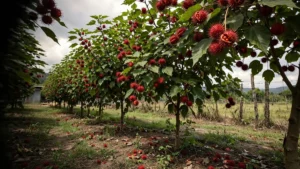
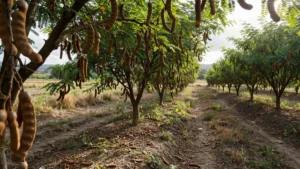
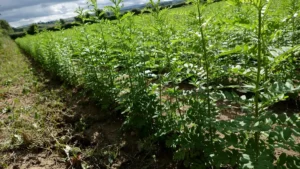
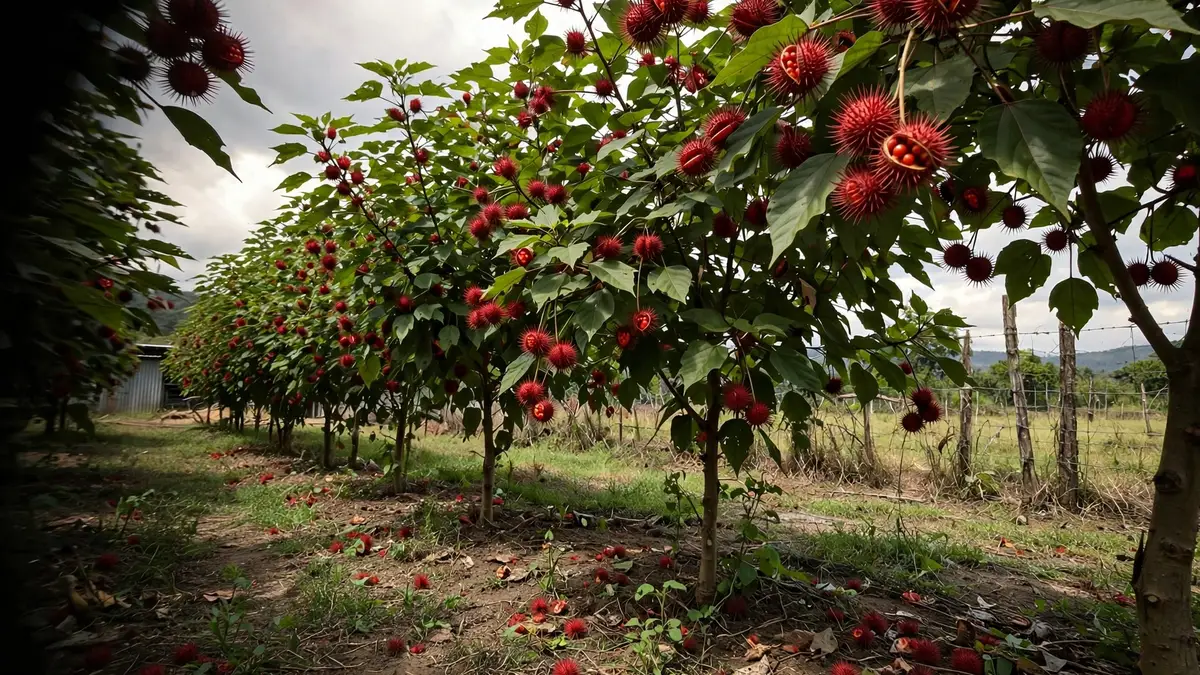
An annatto farm is a grove of achiote trees, usually three to five metres tall, planted in rows on warm lowland ground. The trees keep their leaves all year, and the pods hang in clusters, green at first, then drying to brown as the seeds inside turn red. A retreat puts you in a farmhouse room beside those rows for three to five nights, with meals cooked from the farm’s own seed and work in the grove each morning.
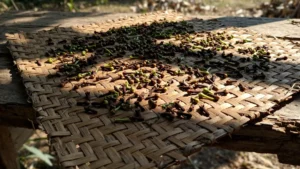
The work is simple and hands-on. Guests walk the rows with the pickers, learn to spot a pod that is ready to split, and help gather the dry ones into baskets. Back in the yard the pods are cracked open, the seeds shaken free, and the red pulp rubbed into oil or the seeds spread on mats to dry in the sun. The kitchen uses the oil the same day, so the rice on your plate is orange because the seed in the field gave it colour that morning.
A genuine annatto farm sells seed, oil or paste that it grew itself. Ask whether the trees on the land are the farm’s own, whether the oil is pressed on site, and whether the kitchen cooks with the farm’s seed or a bought powder. A farm that buys its annatto in is not an annatto farm, whatever the website says. The nine stays below all grow their own trees, and each one works the seed a little differently. The same test applies to other spice farms, and our turmeric farm retreats show what a farm that lifts its own crop looks like.
How we picked these stays, and what to ask first
We began with where annatto truly grows, not where it sells. A real annatto farm offers rows to walk through, pods to pick at splitting time, a drying yard with seeds in the sun, and a kitchen working with its own oil. A farm that buys its powder in is not an annatto farm, whatever the website says.
The best farms keep numbers small, so the picking is done by hand and the kitchen knows every guest by name. Ask how many rooms the farm has, whether the pickers welcome guests in the rows, and what the kitchen serves when the pods are not in season. A farm with fifty rooms and a gift shop is a hotel with a garden, not a farm stay.
Ask about the seed, too. A good farm will tell you when the pods split, how the oil is pressed, and whether the paste is ground on site. Ask whether the farm grows achiote only, or mixes it with other crops, and whether the dried seed is sold by the kilo or kept for the kitchen. The answers tell you whether the farm lives off its trees or off its bookings.
The 9 best luxury annatto farm retreats of 2027
Yucatán, Mexico — Annatto in the Lowland Groves
What we like: Annatto in the Yucatán grows in lowland groves around old Maya towns, and the seed is the heart of recado rojo, the red paste that colours cochinita pibil. The farm outside Mérida grows its own achiote trees, and the kitchen serves pork slow-cooked in banana leaves, orange rice and pickled onions, with the red paste ground fresh each morning.
What to consider: The lowland heat is fierce at midday, and the farm rooms are plain, so expect a fan, a hard bed and an early start.
Style: Yucatán lowland farm stay. Best for: Travellers who want annatto where recado rojo was born. Price range: $65–$95 per night. Standout feature: Red paste ground from pods picked that morning.
Chiapas, Mexico — Annatto in the Highland Valleys
What we like: Annatto in Chiapas grows on warm valley slopes below the highlands, and the trees stand among coffee and cacao, so the farm works three crops at once. The kitchen serves annatto oil over beans, rice and grilled river fish, and the mornings are cool enough to walk the rows without hurrying.
What to consider: Valley roads are rough after rain, and the drive up from the coast is slow, so plan a full day to arrive.
Style: Chiapas valley farm stay. Best for: Travellers who want annatto beside coffee and cacao. Price range: $100–$130 per night. Standout feature: Annatto oil pressed beside the coffee drying beds.
Oaxaca, Mexico — Annatto on the Pacific Slopes
What we like: Annatto in Oaxaca grows on dry Pacific slopes where the trees get long sun and little rain, so the pods dry fast and the seeds colour deep. The farm near the coast grows its own trees and cooks with mole amarillo, tlayudas and orange rice, and the evenings smell of woodsmoke and drying seed.
What to consider: The dry season is dusty, and the farm is a long drive from the city, so bring water and patience for the road.
Style: Oaxaca coastal farm stay. Best for: Travellers who want annatto in mole country. Price range: $130–$160 per night. Standout feature: Pods that dry on the tree in the Pacific sun.
Madre de Dios, Peru — Annatto at the Forest Edge
What we like: Annatto in Madre de Dios grows at the edge of the Amazon forest, where the achiote trees stand beside Brazil nut and cacao, and the farm works the seed the old way, by hand. The kitchen serves annatto rice, river fish in red sauce and plantain, and the forest walks run straight from the farm gate.
What to consider: The forest heat and insects are real, and the river crossing to the farm depends on the water level, so check the route before you book.
Style: Amazon forest-edge farm stay. Best for: Travellers who want annatto where the forest meets the farm. Price range: $160–$190 per night. Standout feature: Seeds shaken from pods under the forest canopy.
Ucayali, Peru — Annatto on the River Flats
What we like: Annatto in Ucayali grows on flat river ground that floods and drains with the seasons, and the trees fruit heavily after the water drops. The farm grows its own achiote and cooks with it daily, serving red rice, yuca and smoked fish, and the river trips leave from the farm dock at dawn.
What to consider: The flats are muddy when the river is high, and the boat timetable shifts with the water, so keep your plans loose.
Style: Amazon river farm stay. Best for: Travellers who want annatto by boat and river. Price range: $190–$220 per night. Standout feature: River-flat trees that fruit after the flood.
Pará, Brazil — Annatto in the Amazon Delta
What we like: Annatto in Pará grows in the delta lowlands where the achiote trees stand among açaí palms, and the farm presses oil from its own seed for the kitchen and the market. The meals are red rice, grilled fish and manioc, and the boats run through the channels between the groves.
What to consider: The delta is hot and humid, and the mosquitoes are thick at dusk, so bring repellent and long sleeves.
Style: Amazon delta farm stay. Best for: Travellers who want annatto oil from the delta. Price range: $220–$250 per night. Standout feature: Oil pressed from the farm’s own delta seed.
Bahia, Brazil — Annatto on the Atlantic Hills
What we like: Annatto in Bahia grows on Atlantic hills above the coast, where the trees get sea air and long sun, and the farm works the seed into oil and paste for the kitchen. The meals are vatapá, acarajé and red rice, and the hill walks look out over the ocean.
What to consider: The hills are steep, and the farm is a long drive from Salvador, so allow a full day for the journey.
Style: Bahia hill farm stay. Best for: Travellers who want annatto in Afro-Brazilian cooking. Price range: $250–$280 per night. Standout feature: Seed ground for vatapá and acarajé.
Westmoreland, Jamaica — Annatto in the Island Hills
What we like: Annatto in Westmoreland grows on green island hills where the trees were planted generations ago, and the farm still works the seed by hand. The kitchen serves annatto-coloured rice and peas, jerk chicken and callaloo, and the hill views run down to the sea.
What to consider: Island roads are narrow and winding, and the farm is quiet in the off season, so check what is open before you go.
Style: Jamaican hill farm stay. Best for: Travellers who want annatto in Caribbean cooking. Price range: $280–$310 per night. Standout feature: Old island trees worked by hand.
Kerala, India — Annatto in the Spice Hills
What we like: Annatto in Kerala grows in the spice hills among cardamom and pepper, and the farm presses oil from its own seed for the kitchen and the market. The meals are red rice, fish curry and vegetable thoran, and the monsoon hills stay green all year.
What to consider: The monsoon rain is heavy, and the hill paths are slick, so bring good shoes and a rain layer.
Style: Kerala spice-hill farm stay. Best for: Travellers who want annatto among the spice hills. Price range: $345–$380 per night. Standout feature: Oil pressed beside the cardamom drying sheds.
Which annatto region fits your trip
The Yucatán suits a first trip, because the farms are easy to reach, the food is famous, and the red paste is ground in front of you. Chiapas and Oaxaca suit travellers who want annatto with other crops, coffee in one valley and mole in the other, and both reward a slower pace. Peru suits those who want the forest, with Madre de Dios for the canopy edge and Ucayali for the river, while Brazil suits oil lovers, Pará for the delta press and Bahia for the hill kitchens.
Jamaica suits a short island stay with strong food and sea views, and Kerala suits travellers who already love the spice hills and want annatto beside cardamom and pepper. The seed is the same everywhere, a brick-red kernel with a mild peppery edge, so the choice turns on the landscape, the kitchen and the journey, not the crop. Pick the region that fits your appetite for heat, hills and boat rides, and let the farm do the rest. If you want a flower crop for contrast, our saffron farm retreats show a very different harvest.
The caveats that matter
| Detail | What is known |
|---|---|
| Best time to visit | The pod weeks, when the pods dry and split on the tree; the season shifts by region and by rain |
| What the work involves | Walking the rows, picking dry pods, cracking them open and shaking the seeds free, then drying the seed in the sun |
| How long a stay runs | Three to five nights, set around the pod weeks |
| Who should take care | Guests with a strong sensitivity to annatto, and anyone unused to fierce sun, heavy rain or steep paths |
| What the kitchen serves | Annatto oil over rice, red stews, achiote paste with pork or fish, with bread and farm butter beside the plate |
| What to ask first | Whether the trees are the farm’s own, whether the oil is pressed on site, and whether the kitchen cooks with farm seed |
| Gluten note | Pure annatto seed is naturally gluten-free, but some shop powders and pastes are cut with wheat flour, so ask every time |
| What to carry home | Dried seed from the farm shop, sealed and dry; oil travels badly, so buy it only if the farm seals it well |
Checklist: booking an annatto farm stay honestly
- Confirm the farm grows its own achiote trees and presses its own oil.
- Ask for the pod dates first, and book flights only after the farm names its week.
- Check that the kitchen cooks with farm seed, not bought powder.
- Ask about gluten in every paste, powder and sauce before you eat.
- Pack light clothes, strong shoes and a rain layer for the rows.
- Carry cash for the farm shop, since card machines fail in the hills.
Frequently asked questions
What does annatto actually taste like?
Mild and peppery, with a nutty, earthy edge and almost no heat. Annatto colours a dish far more than it flavours it, which is why cooks use it for colour and let other spices do the talking.
When do the annatto pods split?
When the pods dry on the tree and the seeds inside turn brick-red, usually in the dry weeks after the rains. The season shifts by region, so ask the farm for its own dates rather than trusting a general calendar.
Is annatto the same as achiote?
Yes. Achiote is the tree and the Spanish name for the seed, and annatto is the English name for the same seed. The paste made from it is called recado rojo in the Yucatán.
May guests join the pickers out in the rows?
Yes, on most of these farms. Guests walk the rows with the pickers, gather dry pods into baskets, and help crack them open in the yard. The work is light, but the sun is strong, so go early.
Which annatto region suits a first trip?
The Yucatán, because the farms are easy to reach, the food is famous, and the red paste is ground in front of you. It is the simplest introduction to the seed and the farm.
Can a gluten-free guest eat well on an annatto farm?
Yes, if the kitchen is told in advance. Pure annatto seed is naturally gluten-free, but some bought pastes and powders are cut with wheat flour, so ask the farm to cook with its own seed and to check every sauce.
The bottom line
Annatto is a quiet crop with a loud colour, and the farms in this list let you see the whole of it, from the spiny pod on the tree to the orange rice on the plate. The seed will not burn your tongue, but it will change how you look at colour in food, and the farms that grow their own trees are the ones worth the trip.
Book the Yucatán for a first stay, or pick the region that matches your appetite for forest, river or spice hills, and ask the farm for its pod dates before you book anything else. The trees will do the rest, and the kitchen will make sure you taste it. For a root crop with a different kind of harvest, our ginger farm retreats are worth a look too.